
What Makes Rice Pudding So Special in Nordic Cooking
Rice pudding is a warm thread in Nordic kitchens. It blends simple ingredients into a comforting dish that echoes seasons and family routines. Across Sweden, Norway, Denmark, Finland, and Iceland, cooks prepare it as a morning breakfast, a festive dessert, or a quiet evening treat. Its appeal comes from balance: creamy texture, gentle sweetness, and a dairy aroma that signals care and patience. The recipe invites calm heat, careful stirring, and a moment to pause and savor.
The Heart of the Recipe: Technique and Texture
Choose short-grain rice for a naturally creamy result. Start with a little water to plump the grains. Then add hot milk as the rice swells. Add a pinch of salt. Simmer slowly and stir often to keep a smooth texture. Finish with a knob of butter and a light dusting of cinnamon. Some households add sugar toward the end to taste. The outcome is a smooth porridge that glows with warmth and fragrance.
Sweden: Risgrynsgröt and the Hidden Almond Tradition
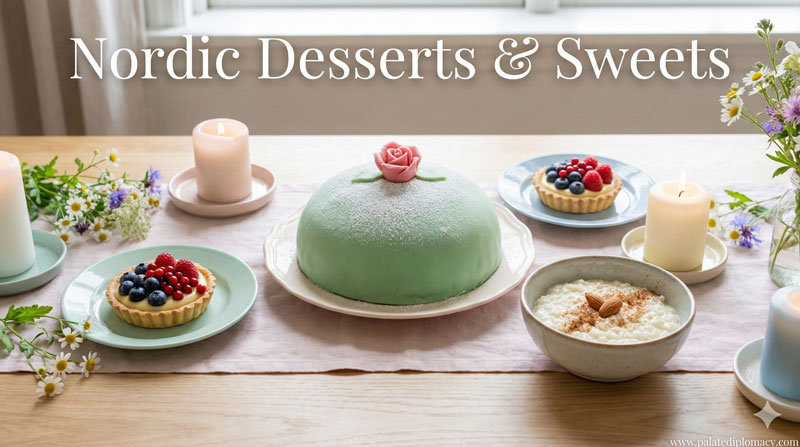
In Sweden, risgrynsgröt sits at the Heart of Christmas Eve. The porridge is delicate, often crowned with cinnamon, sugar, and a small pat of butter. A whole almond is tucked into the pot for luck. The finder may receive a small prize, a playful ritual that brings the family together. Beyond the holiday, risgrynsgröt can anchor other winter meals, offering comfort and a sense of seasonal rhythm.
Denmark and Norway: Risalamande and Risgrøt
In Denmark, Risalamande is a creamy cousin of the rice pudding. It blends whipped cream and chopped almonds with the cooked rice, then attends with a cherry sauce. A whole almond hidden in the mix is a festive touch that echoes the Swedish almond tradition. In Norway, risgrøt remains a warm, simple dish. It is usually served with cinnamon sugar and a knob of butter. These variations showcase the same heart: warmth, texture, and a sense of celebration during colder months.
Finland: Riisipuuro and Simple Comfort
Finland offers riisipuuro, a gentle bowl of milk-cooked rice. It yields a creamy texture and soft grains. Finns often top it with cinnamon sugar and enjoy with a splash of milk or a touch of berry jam on the side. This dish invites quiet moments and shared breakfasts after long nights, reinforcing a sense of home and daily ritual.
The Cultural Value: Why It Stands in Nordic Cooking
Rice pudding is a thread that links meals and memory. It appears in everyday breakfasts and festive feasts, bridging generations through flavor and texture. The dish teaches patience: simmer slowly, stir with care, savor the aroma. It showcases pantry staples—rice, milk, sugar, and spice—and turns them into something comforting. The rituals around it—hidden almonds, cinnamon dust, or berry sauces—invite play, generosity, and a steady sense of seasonal rhythm.
Serving, Pairings, and Modern Takes
Serve the pudding warm or cool, depending on the moment and mood. Top with cinnamon, a little butter, and a dollop of cream if you like. Pair it with berry sauces, lingonberries, or a touch of sugar for balance. In contemporary kitchens, families preserve the core of the recipe while inviting gentle twists, such as almond toppings or citrus zest. Yet the essence remains: a humble bowl that nourishes both body and spirit.
Conclusion: A Gentle Symbol of Nordic Food Culture
Ultimately, rice pudding in Nordic cooking celebrates warmth, balance, and everyday hospitality. It invites cooks to honor simple techniques while welcoming family and friends to gather around the table. In Sweden, Denmark, Norway, Finland, and beyond, the dish carries a quiet beauty that makes ordinary days feel special. This is the heart of Nordic cookery: a modest dish that nourishes memory, comfort, and community.