
The Story Behind Obwarzanek Krakowski, a Polish Food Favorite
In Kraków and across Poland, Obwarzanek Krakowski is more than a snack. It is a symbol of daily life, shared meals, and careful craft. This small ring of bread invites people to pause, enjoy, and connect with others. Its appeal rests in the balance of technique, flavor, and a long-standing neighborhood pride. The Story of Obwarzanek Krakowski begins in bustling market streets, grows through family bakeries, and endures in modern ovens that keep the tradition fresh. The dish is loved for its texture, its toppings, and its simple, honest approach to bread.
A Krakow Market Tradition
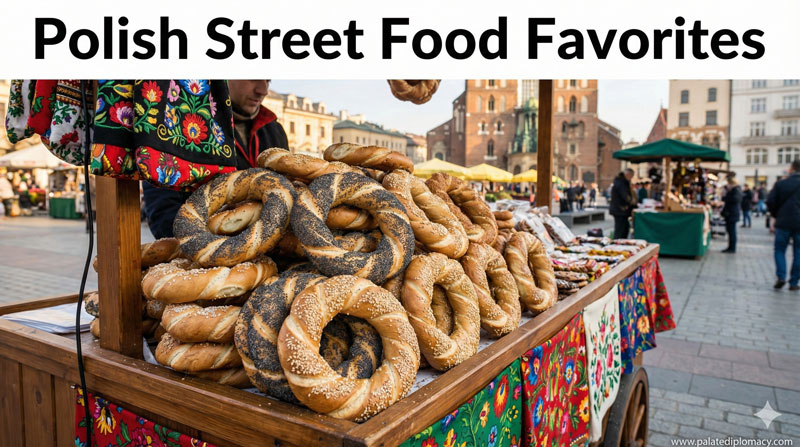
Markets in Kraków have long welcomed locals and visitors with the scent of warm bread. Vendors bring freshly baked rings early in the morning, drawing people with a familiar, comforting aroma. The Obwarzanek Krakowski is easy to pick up, easy to share, and easy to enjoy on the go. The tradition emphasizes skill passed from one baker to the next. It also celebrates the pairings of dough, water, and heat that yield a crusty exterior and a tender crumb. This shared rhythm gives the snack a sense of place and purpose in the city’s daily life.
The Craft: Shape, Dough, and Toppings
The dough is simple: flour, water, yeast, and a touch of salt. Bakers shape the rings by hand, giving each piece its own gentle irregularity. Before baking, the rings are briefly boiled in water with a splash of barley malt or baking soda. This step creates a glossy surface and a tender bite. After boiling, the rings are rolled in toppings such as sesame seeds, poppy seeds, coarse salt, or a mix of seeds. Cinnamon sugar and other creative finishes appear in some stalls, but the classic version remains true to its seed-and-salt finish. The result is a bread that tastes of warmth and craft.
Flavor, Texture, and Pairings
A perfect Obwarzanek Krakowski offers a satisfying contrast: a crisp, lightly chewy crust with a soft, springy interior. The sesame or poppy seeds provide gentle nuttiness, while salt adds brightness. Freshness matters; the best bites come from bread that is warm and fragrant. This snack pairs beautifully with coffee, tea, or a cool glass of milk. It can accompany a savory spread or stand alone as a light, flavorful bite. The balance of texture and taste makes it a flexible partner for many moments in the day.
Cultural Significance in Polish Food Culture
The Obwarzanek Krakowski holds a special place in Polish food culture. It embodies a welcoming spirit: a treat to share with neighbors, a quick joy before or after work, a staple at markets, and a reminder that good bread can be a point of connection. The ring shape is a visual cue of continuity and community, inviting people to circle back to familiar tastes. Bakers proudly preserve the technique, while families pass on the habit of gifting rings to friends and guests. In this way, the dish contributes to a sense of local identity and craft.
Modern Takes and Local Pride
Today, many bakers experiment with toppings, sizes, and fillings while preserving the core method. Some stalls offer variations with different seed blends, herbs, or lightly sweet coats. Yet the heart of Obwarzanek Krakowski remains its honest dough, its careful boiling, and its moment of shared enjoyment. This balance between tradition and friendly innovation keeps the dish lively in Kraków’s culinary scene and endearing to visitors. The result is a timeless treat that honors local skills and the joy of good bread.
How to Enjoy and Where to Find It
If you visit Kraków, seek out a morning market or a beloved bakery. Try a classic Obwarzanek Krakowski fresh from the oven. Hold it warm, breathe in the scent, and take a careful bite. Notice the blend of crunch, chew, and seed aroma. You can pair it with coffee for a simple breakfast, or with cheese and herbs for a savory snack. Even on a busy day, this small ring offers a moment of calm and a taste of Polish bakery craft.
A Friendly Ending to a Rich Story
Obwarzanek Krakowski is more than bread; it is a friendly, enduring practice of making and sharing. Its charm lies in its straightforward recipe, its careful preparation, and its ability to fit into many everyday moments. The dish invites respect for local bakers, for the markets that carry its aroma, and for the people who choose to savor it slowly. In this way, it remains a cherished piece of Poland’s food landscape, a true favorite that continues to enchant and nourish.