
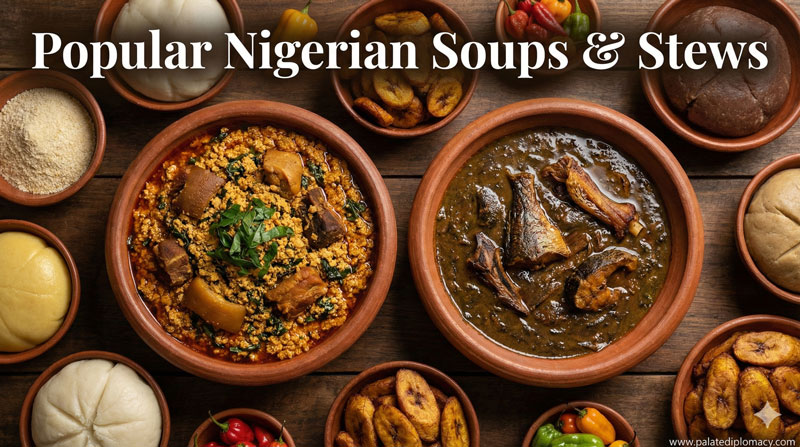
Introduction to Ogbono Soup
Discover the bold Flavors of Ogbono Soup. This dish, rooted in West African kitchens, welcomes you with a silky, nutty richness. The star is ground ogbono seeds, which bloom into a thick, glossy texture. A touch of palm oil adds warmth and color, while spices and herbs lift every spoonful. The result is memorable, inviting, and distinctly Nigerian in spirit.
Cultural Value and Everyday Significance
Ogbono Soup is a symbol of hospitality and care. In many homes, preparing a pot is a warm invitation to share stories, laughter, and a meal prepared with attention. The dish travels from bustling markets to quiet Sunday kitchens, always signaling welcome. Its preparation often brings family members together, each adding a small step, from grinding seeds to tasting the broth. The result is more than food; it is a ritual of connection, comfort, and pride in culinary heritage.
Culinary Significance and Techniques
Culinary value shines in texture and balance. Ogbono seeds are ground into a fine powder and simmered to release their natural oils. The thickening process creates a velvety body that cushions meats, fish, or vegetables. Palm oil provides depth and a ruby hue, while onions, peppers, and crayfish or stockfish contribute depth and aroma. In many kitchens, the timing between boiling, stirring, and simmering matters, yielding a consistently glossy finish. The dish can accommodate a range of proteins, from tender deboned meat to hearty fish, making it adaptable for everyday meals or special occasions.
Flavor Profile, Texture, and Pairings
Expect a bold, nutty aroma with a bright palate from peppers and herbs. The texture is luxurious yet approachable, with a smooth, almost viscous mouthfeel that coats the tongue. The flavors mingle gently but decisively, leaving a lingering warmth. Ogbono Soup pairs beautifully with starchy sides. Common partners include pounded yam, fufu, eba (garri), or boiled yam. A fresh leafy green on the side can brighten the plate, adding balance and color.
Regional Variations and Regional Flavors
Across regions, cooks adapt Ogbono Soup to local tastes. Some versions lean into leafy greens like uziza or spinach for brightness. Others highlight different proteins, such as catfish or smoked fish, to add a delicate oceanic note. Spices vary by community, yet the core identity remains: a punch of earthiness from the seeds, a warming glow from palm oil, and a comforting thickness that ties the dish together. These variations showcase how a single dish can reflect diverse kitchens while keeping a shared sense of culinary history.
Serving Traditions and Occasions
Ogbono Soup shines at gatherings and family meals. It often arrives at the table steaming from the pot, inviting close friends and relatives to share. The dish adapts to everyday lunches and festive celebrations alike. When served, it offers a sense of abundance and care, inviting everyone around the table to savor together. This communal spirit is a quiet but powerful thread in the Food Culture.
How to Prepare Ogbono Soup at Home
- Gather ground ogbono seeds, palm oil, onions, peppers, and your preferred proteins.
- In a pot, heat oil, sauté onions, and add peppers for a fragrant base.
- Stir in the ground ogbono to thicken, then gradually add stock or water.
- Add proteins and simmer until tender. Finish with greens and season to taste.
- Serve hot with pounded yam, fufu, or garri for a complete meal.
Closing Reflections
Ogbono Soup invites you into a world of bold textures and comforting flavors. It celebrates skill, patience, and shared meals. By tasting it, you participate in a culinary tradition that values warmth, hospitality, and the art of nourishing care. Whether enjoyed daily or on special occasions, this dish stands as a proud note in the melody of African cooking.