
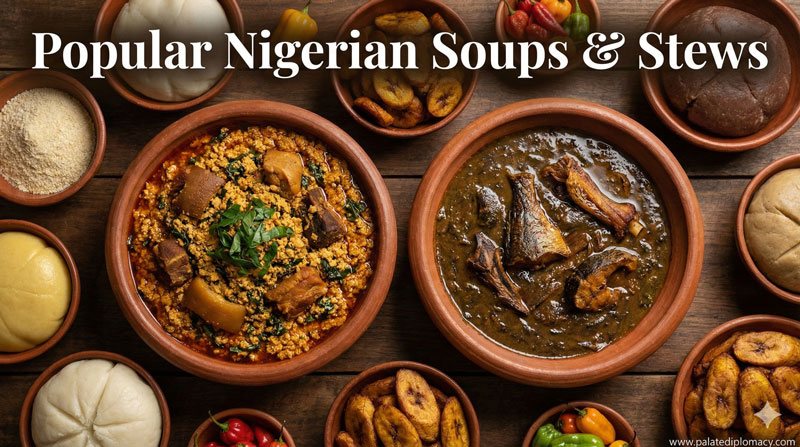
Discover the Bold Flavors of Ogbono Soup
Ogbono soup is a celebration of texture and aroma. Ground ogbono seeds create a smooth, silky base that coats the tongue. Palm oil adds a warm, bright color and a nutty note. Leafy greens bring freshness, while meat, fish, or poultry provide richness. Fresh peppers deliver a gentle heat that lingers. This dish is a staple in many West African kitchens, where it graces tables during family meals and festive gatherings. The act of sharing a pot invites conversation, laughter, and connection.
The Core Ingredients
At The Heart of ogbono soup are the seeds themselves. They are ground into a paste that thickens the soup as it cooks. Palm oil joins the paste, giving color and depth. A flavorful stock forms the base, often enriched with onions, garlic, and peppers. Meat such as beef, chicken, or goat, or fish, can be added for body. Leafy greens like spinach or bitter leaf lift the dish with bright notes. A pinch of salt, spices, and sometimes stock cubes complete the flavor.
The Texture and Technique
Start by turning the ground ogbono into a smooth paste with warm water. Then heat palm oil in a pot and add onions for fragrance. Pour in the seed paste slowly, stirring to prevent lumps. Add stock and meat or fish, and bring to a simmer. The soup thickens, turning from cloudy to glossy as it cooks. Stir in greens just before serving for a fresh bite. This sequence yields a silky, velvety texture that defines the dish.
Cultural Value and Social Significance
Ogbono soup mirrors hospitality. Hosts prepare large pots to feed family and friends. Sharing a generous portion communicates care and welcome. The dish travels across generations, with each cook adding a personal touch. It is common at celebrations, weekend meals, and communal gatherings. The aroma fills the kitchen and invites conversations, storytelling, and smiles. In this way, ogbono becomes more than food; it becomes a memory in motion.
Pairings and Variations
Many enjoy ogbono with fufu, pounded yam, or eba. The choice of staple shapes the dining experience. Variations appear with different proteins or with extra greens. Some cooks add okra for extra body, while others keep it smooth and uniform. Heat levels vary; some prefer a mild warmth, others enjoy a bold spice. Each variation reflects local tastes and seasonal ingredients.
Getting the Most from Ogbono Soup
Choose fresh ogbono seeds that smell clean and earthy. Store seeds in a cool, dry place, and grind as needed for best texture. For a smoother paste, blend with a little warm water. Keep a steady simmer, and stir often to prevent sticking. Taste and adjust salt and pepper near the end. Finally, refrigerate leftovers promptly to maintain flavor and texture.
A Flavorful Note on Everyday Beauty
Ogbono soup shows how simple ingredients can create depth and joy. Its flavor speaks of skill, patience, and care. The dish invites cooks to balance richness with freshness. It welcomes diners with aroma and color. By exploring its layers, we honor a living tradition that thrives in homes and kitchens everywhere. May you savor this bold, comforting soup and share its warmth with others.