
The Story Behind Ogbono Soup
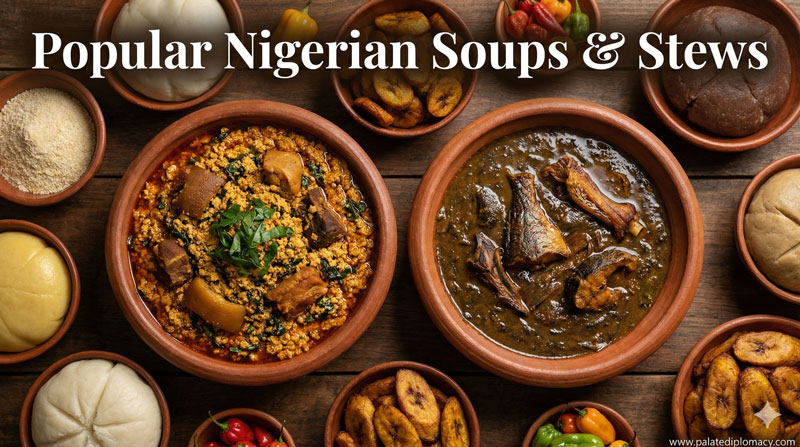
Ogbono soup is a beloved Nigerian dish known for its creamy texture, rich aroma, and joyful presence at the dining table. It is more than a meal; it is a warm invitation to share a moment, a way to welcome guests, and a comforting tradition that travels through families from one generation to the next. In homes across Nigeria, a pot of ogbono often begins with a simple chorus of preparation: grinding the seeds, heating palm oil, adding pepper and stock, and watching the sauce thicken with a silky, mucilaginous feel that many find utterly comforting. The result is a dish that feels both familiar and celebratory, ready to pair with a variety of mashes and greens.
What makes Ogbono Soup Unique
Ogbono soup centers on the seeds of the African bush mango, ground into a paste that acts as the natural thickener. This paste lends a distinctive, velvety mouthfeel that sets the dish apart from other soups. The flavor is deep and earthy, enriched by palm oil, onions, and a balanced heat from peppers. The soup welcomes a chorus of add-ins, including fish, meat, or stockfish, each contributing its own layer of savor. Vegetables such as waterleaf or bitterleaf often accompany the sauce, adding fresh color and a gentle bitterness that harmonizes with the fat, peppery base. The result is a bowl that feels both hearty and refined, suited for everyday meals and special gatherings alike.
The Cooking Ritual
The preparation begins with grinding the ogbono seeds into a fine paste. Some cooks toast the seeds lightly to bring out a warm, nutty aroma. The paste is then stirred into a simmering pot of palm oil, onions, and seasoned broth. Pepper and crayfish or ground dry fish are common flavor boosters, adding umami and brightness. The greens are added later, preserving their freshness and bite. The technique rewards patience: allow the mixture to thicken slowly, check the texture, then adjust with stock or water. Each step builds the signature silkiness that defines ogbono soup.
Texture and Flavor
The texture of ogbono soup is its signature gift. It glides over the tongue with a gentle mucilage that holds the flavors close. The oil lends a glossy sheen, while the peppers bring warmth and depth. When fish or meat accompanies the dish, their juices mingle with the thick base, creating a harmonious, mouth-filling experience. This interplay of smooth richness and bright accents makes ogbono soup feel both comforting and uplifting, perfect for mindful meals and lively family feasts alike.
Cultural Significance
Ogbono soup holds a cherished place in Nigerian Food Culture as a symbol of hospitality and sharing. Preparing it is often an act of care and welcome, signaling that guests are valued and meals are a communal joy. Families pass down their preferred methods, adjusting seasoning, proteins, and greens to reflect personal memory and taste. The dish travels through homes as a bridge between generations, inviting stories as it fills the kitchen with aroma. In many households, serving ogbono is a moment to pause, savor, and celebrate togetherness.
Serving and Pairings
Ogbono soup shines when paired with fufu options such as pounded yam, garri, or cassava fufu. The sturdy textures of these mashes balance the soup’s smoothness and help scoop up every last bit of sauce and leaves. Common accompaniments include fish, beef, or stockfish, which add texture and the satisfaction of A Complete meal. A side of leafy greens or a fresh pepper sauce can brighten the plate, while a light beverage completes the dining experience without overpowering the dish’s flavor.
Regional Twists and Variations
Across Nigeria, cooks bring subtle regional twists to ogbono soup. Some households favor the addition of okra for extra body, while others emphasize different greens or herbs to brighten the sauce. Preferences for protein, spice level, and leaf choice vary, yet the core idea remains the same: a comforting, versatile soup that welcomes diversity in taste and technique. These variations celebrate local ingredients and family traditions while preserving the essence of ogbono’s creamy texture and warm character.
A Simple Guide to Enjoying Ogbono at Home
- Start with a good ogbono paste, and choose your preferred greens.
- Use palm oil for that characteristic sheen and flavor, then add stock to reach your desired consistency.
- Pair with pounded yam, fufu, or garri for a satisfying balance.
- Add fish or meat, and finish with a touch of pepper to taste.
- Serve with calm, cheerful conversation, and let the aroma set a welcoming mood.
Conclusion
Ogbono soup is more than a dish—it is a celebration of texture, warmth, and togetherness. Its creamy stability, bold flavor, and adaptability make it a cherished element of Nigerian cuisine. Whether enjoyed on a quiet weekday or a lively family gathering, ogbono invites you to slow down, savor the moment, and appreciate the beauty of well-made food that brings people together.