
The Story Behind Ogbono Soup, a Nigerian Food Favorite
Ogbono soup is more than a meal. It is a warm expression of Nigerian hospitality and shared family moments. The dish centers on ground ogbono seeds, the kernels of the wild mango tree, which lend a distinct, velvety body to the soup. When simmered with palm oil, stock, and well-seasoned meat or fish, the result is a comforting, nourishing bowl that invites conversation and joy.
What is Ogbono Soup?
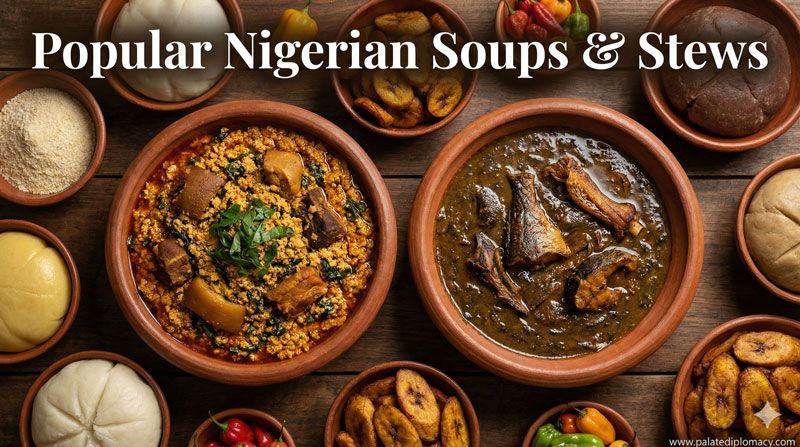
Ogbono soup begins with finely ground ogbono seeds. As they meet hot stock, they release a natural mucilage that thickens the soup beautifully. The oil gleams, the aroma blooms, and the broth carries flavors from peppers, onions, and traditional seasonings. Typical accompaniments include meat, fish, or dried fish, with optional additions like crayfish. The final texture is silky and slightly slippery, a hallmark that makes each swallow feel warm and satisfying.
Cultural Value and Culinary Significance
This soup holds a treasured place on family tables and festive menus. It is a staple that travels across kitchens, handed from elder cooks to younger helpers, passing along technique and care. The act of preparing ogbono is a story in itself: timing the seeds, balancing heat, and tasting as you go. In many homes, a pot of ogbono becomes a signal of welcome, a dish that says, “Come, share a meal with us.” The dish also celebrates abundance—from fresh ingredients at market to the generosity of inviting friends and neighbors to enjoy a shared pot.
Flavors, Texture, and Sensory Appeal
Ogbono soup offers a remarkable contrast of textures. The rich, orange palm oil carries a deep sweetness, while the ogbono thickens into a smooth, almost satiny layer. Pepper brings bright heat, and the chosen proteins add savor and heartiness. The result is a versatile flavor profile: robust, comforting, and clear in its own right. Every bowl reflects careful balancing—spice, richness, and the signature mucilage that coats the tongue in a gentle, lingering way.
Serving Styles and Everyday Moments
Around a table, ogbono soup shines when paired with swallow foods such as pounded yam, fufu, or garri. The practice of grabbing a portion of starch, dipping it into the soup, and lifting a mouthful with one smooth motion is a small ceremony of its own. In homes and gatherings, a single pot can feed many, reinforcing a spirit of sharing and togetherness. The dish adapts to voice, pace, and preference, welcoming both quiet meals and lively conversations.
Regional Touches and Fresh Interpretations
Across Nigerian communities, ogbono soup wears subtle regional accents. Some cooks emphasize richer palm oil and slower simmering for a deeper color and texture, while others brighten the pot with crisp vegetables or added okra for extra body. Variations in protein—from beef to assorted fish—offer different layers of savor. Yet the core remains: a fragrant, inviting soup that honors tradition while embracing personal taste.
Final Note: An Invitation to Experience
Ogbono soup invites curiosity and appreciation. It invites you to notice the way ingredients meet heat, how texture carries flavor, and how a single pot can bring people together. If you seek a dish that feels both familiar and novel, open your kitchen to ogbono, share a meal, and discover the beauty of Nigerian Food Culture through its warmth, texture, and heart.
If you try it, tell a friend about the way the seeds thicken the broth and how the flavors bloom with every bite. The Story of Ogbono soup is best told at table, where food becomes memory.