
The Story Behind Ogbono Soup, a Nigerian Food Favorite
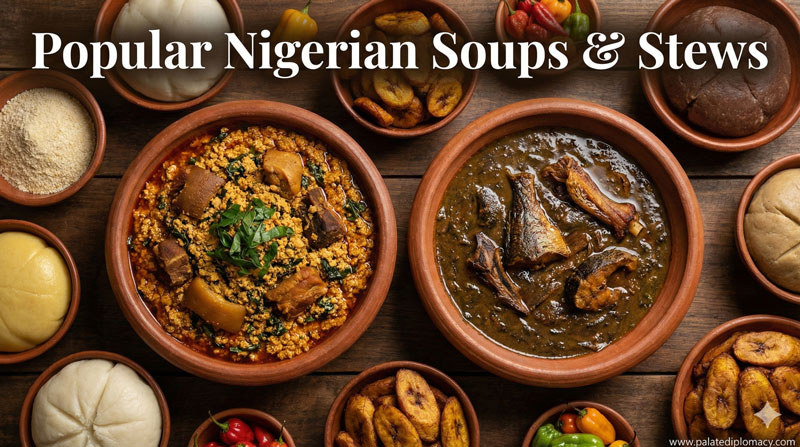
Ogbono soup holds a cherished place in Nigerian kitchens. It centers on the ogbono seeds, the dried kernels from the bush mango tree. When these seeds are ground and simmered, they release a creamy, velvety texture that gently coats every bite. Across southern households, cooks gather ingredients with care, inviting warmth into the pot and into the meal. The palm oil adds a rich color and aroma, while peppers, onions, and a choice of proteins—fish, crustaceans, or meats—layer in depth and brightness. This soup is more than nourishment; it is a celebration of skill, family, and shared moments around the table.
Texture as a Cultural Signature
The defining feature of ogbono soup is its luxurious, draw-like texture. It offers a smooth, clingy finish that speaks to patience and practiced technique. First, the seeds are ground to a paste. Then they simmer and mingle with stock or water, releasing a natural starch that thickens the broth. Next, flavors unfold as onions, peppers, and spices join in. The result is a comforting mouthfeel that welcomes slow savoring and conversation. This texture invites guests to linger, to enjoy the dish not just in morsels but in the experience of eating together.
Core Ingredients and Craft
Ogbono seeds form The Heart of the dish. The seeds are ground into a paste, sometimes lightly roasted to intensify their nutty aroma. Palm oil provides color and a warm, fruity note. The soup commonly includes dried fish or stockfish, shrimp or meat, and sometimes crayfish for a subtle briny bite. Onions, chili peppers, and seasoning powders round out the taste, while optional greens or okra can add fresh texture. In many kitchens, cooks stir with steady hands and patience, allowing the paste to bloom and the broth to thicken to a glossy sheen. The craft lies in balancing richness with brightness, ensuring the soup remains luxurious yet vibrant.
Hospitality on the Table
Ogbono soup is a dish of welcome. It appears at family gatherings, weekends, and special occasions, signaling hospitality and care. Preparing the soup becomes a social act: family members gather to wash, prep, and measure ingredients, sharing laughs and stories as the pot warms. When the first ladle arrives, the aroma invites everyone to the table. In this way, the dish becomes a bridge between generations, a way to pass down technique, memory, and a sense of belonging.
Regional Voices: Yoruba, Igbo, and Edo Traditions
In Nigerian communities, ogbono soup travels with regional flavors. Yoruba kitchens may emphasize a slightly coconut-like warmth from ground pepper and palm oil, while Igbo households often blend in dried fish for a crisp, savory finish. Edo cooks might introduce a touch more heat and a stronger fishy note, reflecting local tastes. Across these voices, the dish remains recognizable yet distinctly personal. This blend of shared core and individual touch highlights the beauty of Nigerian cooking as a living conversation about flavor, technique, and family heritage.
Serving Traditions and Pairings
Ogbono soup is typically enjoyed with swallow foods that soak up the rich broth. Common pairings include pounded yam, fufu, garri (dried cassava granules), and sometimes amala or semo. The swallow acts as a perfect partner, inviting the velvety soup to cling to each bite. In social settings, serving the soup with a careful balance of protein and greens shows thoughtfulness and care. This simple pairing strengthens the sense of communal enjoyment and makes every meal feel like a small celebration.
A Glimpse of Modern Expressions
Today, cooks honor tradition while welcoming fresh ideas. Some households adjust the protein mix, adding locally loved fish or meat cuts. Others experiment with greens or mild spices to suit evolving palates. Yet the heart remains the same: ogbono soup stands as a testament to patience, shared labor, and a warm, generous table. This adaptability keeps the dish lively while preserving its core cultural value.
Embracing the Legacy
The story of ogbono soup is a story of nourishment and welcome. It reflects careful work, seasonal ingredients, and a keen sense of community. Each pot tells a quiet tale of home-cooked meals, joyful gatherings, and the beauty of Nigerian Food Culture. By savoring ogbono soup, diners participate in a centuries-old flavor tradition that continues to evolve with care and respect.
If you seek a dish that tastes like home and feels like a hug, ogbono soup offers both artistry and heart. Its cultural value lies not only in its ingredients but in the shared moments it creates—around a pot, at a table, and in the smiles of those who gather to enjoy it.