
The Story Behind Modern Nordic Bowls, a Nordic Food Favorite
Modern Nordic bowls invite the senses to explore a cuisine built on clarity, balance, and seasonality. This dish is more than a meal; it is a conversation between the land, the sea, and the cook. Each bowl gathers ingredients that speak of place—grains that carry the harvest, fish that tell of the coastline, vegetables that reflect the growing season, and dairy that brings calm richness. The result is a dish that feels both simple and sophisticated, familiar to home kitchens and inspiring to modern cafés alike. In this post, we explore the cultural value and culinary significance of Modern Nordic bowls, and how they have become a beloved feature of Nordic Food Culture.
A Palette Rooted in Season
Seasonality is at the core of Nordic bowls. In spring and early summer, light greens, cucumber, and fresh herbs brighten the bowl, while salmon or trout offer a clean, ocean-led protein. In autumn, roasted root vegetables and barley bring heartiness and warmth. Winter bowls lean on preserved flavors, dairy, and sturdy grains to sustain through the cold months. This rhythm—what is available now, what will store well, what preserves a memory of a season—shapes the way cooks assemble bowls. The emphasis on seasonal produce reflects a deep respect for growers, fishermen, and the daily life of homes across Nordic towns and cities. The result is a dish with a living calendar, a culinary diary you can taste in every bite.
The Core Elements of the Bowl
Modern Nordic bowls typically combine a few reliable building blocks. The base is often a grain or grain-like base such as barley, rye, oats, or a mix of these. This foundation provides texture and a nutty, wholesome note. A protein layer follows, with options like salmon, mackerel, cod, or plant-based matches such as legumes for balance and contrast. Fresh vegetables—thinly sliced cucumbers, radishes, fennel, or leafy greens—add crunch and brightness. Dairy elements, such as skyr, yogurt, or a dollop of sour cream, bring creaminess and a gentle tang. Herbs like dill, chives, or parsley lift the flavors, while a citrusy squeeze or a light pickle adds a zesty lift. The beauty of the bowl lies in the harmony of these parts: grain, protein, vegetables, dairy, and a note of acidity or pickled tang to tie it together. Each component is chosen for both taste and texture, creating a bowl that feels balanced and complete.
Techniques That Elevate Flavors
If a bowl is the frame, technique is the color. Nordic cooks use several methods to heighten flavor without overpowering the fresh ingredients. Fermentation and pickling are common for onions, cucumbers, and cabbage, lending bright acidity and a comforting zing. Gently smoking or curing fish can add a delicate depth that still lets the ocean character shine through. Roasting or steaming vegetables concentrates sweetness, while herb oils or light vinaigrettes unite the grains with the greens. A careful touch of salt, pepper, and a whisper of citrus can transform a bowl from good to memorable. These techniques honor tradition while allowing modern cooks to experiment with texture and aroma in thoughtful ways.
Plating and Aesthetics
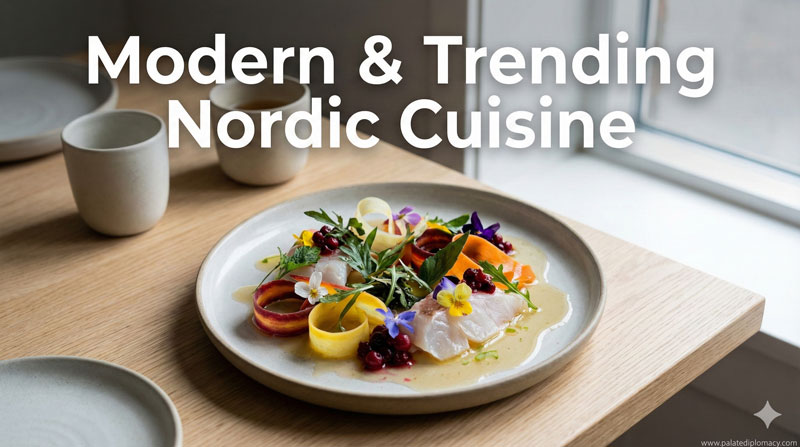
The presentation of Modern Nordic bowls mirrors the region’s design sensibilities: clean lines, restrained color, and an arrangement that invites a slow, appreciative bite. Plating often features a visible separation of components with a final drizzle or scatter of herbs on top. Color is deliberate but not loud, with greens, pale grains, and the natural pinks or whites of fish and yogurt. The eye senses the care in layering—grains at the base, a protein crown, a rainbow of vegetables, and a topping that brings the dish together. The aesthetic value enhances the dining experience, inviting diners to notice the texture and balance before tasting.
The Social Heart of the Bowl
In Nordic homes and eateries, bowls are social food. They invite sharing, conversation, and a sense of hospitality. A single bowl can serve as a centerpiece for a relaxed lunch, a casual dinner with friends, or a mid-day meal in a cafe. Because bowls often rely on a few accessible ingredients, they feel approachable to home cooks while still allowing room for personal interpretation. The act of assembling bowls can be a small ritual—a daily chance to celebrate ingredients, to mindfully portion, and to savor the moment of preparing food for others. In this way, Modern Nordic bowls contribute to a culture that values attentiveness, generosity, and a quiet joy in daily eating.
Nordic Regions in a Bowl
Across Nordic countries, you can find distinctive expressions of this dish. In Sweden, a bowl might feature barley, gravlax, dill, and rye croutons for a crisp bite. Norway often leans on salmon along with baby greens and cucumber, completed by a tangy yogurt sauce. Denmark may present a lighter bowl with whitefish or herring, crisp vegetables, and a soft, sour-dairy element. Finland frequently highlights rye grains and local dairy, pairing them with root vegetables and pickled cucumber for brightness. In Iceland, bowls can showcase robust seafood and seasonal greens with a simple, clean acidity. These regional flavors blend into a shared idea: a nourishing, flavorful bowl that honors local produce and the coastline, mountains, and fields that define Nordic life.
Keeping the Tradition Alive in Modern Kitchens
Modern Nordic bowls thrive not only because they taste good, but because they fit into contemporary life. They adapt easily to time constraints, offer flexibility for dietary preferences, and enable cooks to celebrate local producers. The bowls underscore sustainable choices—favoring seasonal produce, local fish, and dairy—without sacrificing elegance. By embracing both tradition and invention, cooks keep the culinary dialogue active: honoring simple, high-quality ingredients while exploring new pairings and textures. This ongoing conversation makes Modern Nordic bowls a living part of Nordic food culture, enjoyed by families at home and by guests in shared dining spaces.
A Quiet Celebration of Craft and Care
The beauty of Modern Nordic bowls lies in their restraint. They avoid excess, instead inviting appreciation for the quality of each component. A well-cooked grain, a perfectly fresh slice of fish, a crisp vegetable, and a smooth dairy element together tell a story of care and craft. In meals like these, flavor emerges not from loud spices but from the harmony among textures, temperatures, and tastes. This quiet, confident approach is a hallmark of Nordic culinary thinking: nourishment that respects the food, the season, and the people sharing the meal.
Embracing Everyday Luxury
Finally, Modern Nordic bowls remind us that everyday food can carry a sense of luxury through thoughtful composition. The bowls celebrate the fine details—how a slice of cucumber catches a glint of light, how a herb offers a clean aromatic finish, how the grain provides a satisfying bite. This understated luxury is accessible to many: it can be prepared quickly for a busy weekday, yet it holds a sense of ceremony when shared with friends and family. The dish invites everyone to slow down a little, to notice the colors and textures, and to savor the harmony of flavors that define Nordic cooking.
In Summary: The Story in Each Bowl
The Story Behind Modern Nordic Bowls, a Nordic Food Favorite, is about more than ingredients. It is about rhythm—seasonal timing, regional ingredients, and the careful balance of grain, protein, vegetables, and dairy. It is about technique that respects the food and elevates flavor with purpose. It is about aesthetics that honor the dignity of the plate, and about hospitality that makes meals feel welcoming. In every bowl, you glimpse a tradition that values clarity, integrity, and shared enjoyment. Whether you enjoy them at home or in a cafe, these bowls stand as a tasty articulation of Nordic culture—quiet, deliberate, and deeply satisfying.