
Why Mixed Vegetable Curry Is One of Pakistan’s Most Loved Dishes
In Pakistan, mixed vegetable curry shines on stove tops and kitchen tables alike. It embodies balance, comfort, and a bright celebration of everyday ingredients. Families prepare it with care, and guests are welcomed with the aroma that fills the room. This curry is not just food; it is a shared experience that travels from home to home, blessing meals with warmth, color, and a sense of togetherness. Its popularity rests on accessibility, adaptability, and a صense of seasonal abundance that speaks to hearts across communities.
The Ingredients and Their Harmonious Roles
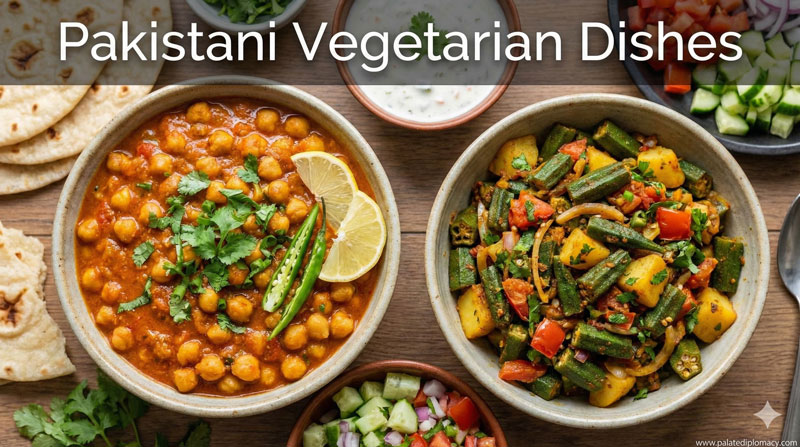
The beauty of mixed vegetable curry lies in how each ingredient contributes to a collective flavor. The vegetables—potatoes, carrots, peas, cauliflower, and bell peppers—offer varied textures and hues that please the eye and palate. Onions provide sweetness, while garlic and ginger lend a gentle kick. Tomatoes add body and a thin, tangy depth that brightens the dish. Spices—cumin, coriander, turmeric, chili, and garam masala—create a fragrant, comforting spine that ties everything together. A splash of oil or ghee glows as it coats the vegetables, releasing aroma and shine. Fresh cilantro or coriander leaves finish the pot with a fresh, peppery note. This careful balance lets the curry remain soulful yet approachable, perfect for both everyday meals and special gatherings.
Cooking as a Cultural Ritual
Preparing mixed vegetable curry is often a ritual that honors familiarity and care. The sizzling of onions in oil signals focus and warmth. The kitchen fills with a layered scent, inviting and familiar. Families pass down practical tips: how long to simmer, when to adjust salt, and how to let the spices bloom. The process centers on mindful preparation, yet it remains flexible enough to welcome whatever vegetables are fresh that day. Because the dish is forgiving, cooks feel confident to improvise, which makes each pot a reflection of a home’s character. In this way, the curry becomes a living tradition—a daily act of hospitality that speaks softly of welcome, care, and shared taste.
Regional Variations and Seasonal Bounty
Across Pakistan, regional produce and preferences shape the curry in delightful ways. In different areas, cooks may favor oil types, vary the heat level, or incorporate local vegetables that suit the season. Some kitchens favor a slightly sweeter profile, while others lean toward a robust, peppery finish. You may find a whisper of yogurt stirred in for creaminess in some homes, or a touch of coconut milk in others for a coastal or southern influence. What remains constant is the sense that fresh, seasonal produce guides the dish. Even within one family, the curry can evolve with the harvest: plump peas in spring, tender cauliflower florets in winter, bright peppers in late summer. This adaptability makes mixed vegetable curry a culinary canvas that mirrors the local land and the cook’s mood.
Serving, Pairings, and Hospitality
Hospitality is written into the serving traditions surrounding mixed vegetable curry. It often arrives with light sides that allow the flavors to breathe—steamed basmati rice, fluffy roti, or warm naan. The curry’s vibrant sauce clings gently to bread or grains, inviting bites that blend savoriness with the vegetables’ sweetness. In many homes, friends and family gather around a common dish, sharing scoops and stories as the steam rises. Garnishes like fresh cilantro or a squeeze of lemon add a final flourish that signals care. This practice—the act of sharing a pot and a plate—speaks to a culture of generosity, where food becomes the link between generations and neighbors.
A Dish for All Seasons and Moments
Mixed vegetable curry suits many moments. It works as a comforting weeknight staple, a bright option for a weekend meal, or a generous dish for guests arriving after a long day. Its flexibility makes it accessible to cooks with varying skill levels, yet it never feels simplistic. The dish can be lightened with fewer oil or heavier with heartier vegetables, always preserving a sense of balance. In festive meals or simple family dinners, this curry holds its own by offering color, aroma, and depth without demanding perfection. It invites conversation, encouragement, and the simple joy of tasting something well made.
The Language of Flavor and Craft
What Makes mixed vegetable curry so beloved is how it communicates through flavor. The spices sing softly, never overpowering the vegetables’ natural sweetness. The curry teaches balance: a pinch more salt, a minute longer simmer, a bright splash of tomato to lift the sauce. Cooks learn to listen to the pot—the way oil separates from the heat, the way steam wafts toward the ceiling, the moment when flavors fuse into a cohesive whole. This learning process is gentle and practical, emphasizing sensory attention and care. In turn, diners experience a dish that feels familiar yet fresh, cozy yet bright. The language of this curry is accessible, inviting everyone to participate in the act of cooking and tasting.
A Proud Reflection of Pakistani Food Culture
Mixed vegetable curry stands as a testament to the spirit of Pakistani cuisine: generous, adaptable, and deeply respectful of produce and seasonality. It honors the idea that a meal can be nourishing without being complicated, that a home-cooked dish can be elegant in its simplicity, and that a shared pot can carry countless memories. The curry also demonstrates how food acts as a cultural bridge within communities—bringing together flavors, textures, and techniques learned across kitchens, generations, and regions. Its enduring appeal lies in its ability to feel both everyday and special, a reliable friend at the table and a source of pride in the culinary tapestry of Pakistan.
A Short Guide to Appreciating the Dish
- Notice the color: a lively mix of greens, oranges, and reds signals a well-balanced pot.
- Savor the aromas: onion, garlic, and spices should bloom together without overpowering the vegetables.
- Focus on texture: tender vegetables with a bit of bite keep the curry interesting.
- Mind the balance: a gentle tang from tomato and a mild warmth from chili create harmony.
- Celebrate the finish: a fresh herb hint at the end elevates the dish beyond the pot.
In closing, mixed vegetable curry is more than a recipe. It is a living expression of Pakistani Food Culture—an everyday celebration of seasonal produce, family craft, and shared hospitality. Its enduring charm lies in its warmth, its openness to variation, and its capacity to bring people together around a humble, flavorful pot. If you seek a dish that speaks of home, generosity, and cuisine that respects the land, this curry offers a delicious and welcoming voice.