
Introduction to the Dish
This post introduces the dish How Street Food Reinvented Reflects Pakistani Food Culture. It is a celebration of everyday cooking that travels from busy stalls to home kitchens. The dish embodies how street food in Pakistan evolves while staying true to its roots. It highlights the joy of shared meals, bright aromas, and textures that invite conversation. The plate is a moment where tradition meets innovation, and it invites readers to taste the culture in real, memorable bites.
Core Flavors and Techniques
The dish centers on bright, clean flavors built in quick, precise steps. Expect smoky, charred notes from grills and tawa pans, fresh herb notes, tangy chutneys, and a touch of sweetness from caramelized onions or sweet chili sauces. The technique blends speed with care: rapid tempering of spices, quick marination, and careful timing to keep crusts crisp while interiors stay tender. The result is a balance of savory, sour, and mildly sweet that mirrors how Pakistani street food layers flavor—bite by bite, with each component inviting the next. The plate often pairs crunchy elements with soft interiors, producing a mosaic of textures that feels both comforting and exciting.
Cultural Value in Everyday Life
In Pakistan, street food is a daily ritual that welcomes people of all ages to the same table, even if the table is a small stall. The dish reflects this social role by combining items that are affordable, shareable, and easy to Enjoy on the go. The aroma of spices and herbs becomes a front door to conversation, while the plate itself becomes a common ground where neighbors meet. The dish also demonstrates how cooks adapt to seasonal produce and local markets, keeping flavors fresh and local. In this way, the dish serves as a living map of everyday life, showing how food adapts to the city’s rhythm while preserving a sense of community.
The Craft Behind the Dish
Craftsmanship shows in the balance of elements and the attention to texture. The preparation honors the cooks’ skill—precision in spice toasting, timing for crisp exteriors, and the art of layering chutneys and relishes to build depth. The plate respects the tools of street cooking, from charcoal grills to flat griddles, yet it presents the results with care that feels at home on a dining table. This fusion of street technique with refined plating demonstrates culinary inventiveness without losing the essence of home cooking. The dish teaches that craft is a dialogue between fire, freshness, and restraint.
Regional Voices in a City Plate
Though rooted in a common street-food experience, the dish carries regional nuance. In bustling markets, you might savor a sharper chutney from one vendor and a milder, yogurt-based accompaniment from another. Spices can tilt toward cumin’s warmth, coriander’s brightness, or chili’s kick, depending on the stall and the season. The result is a city plate that tells many stories at once. These regional voices blend to form a cohesive experience that remains distinctly Pakistani. The dish celebrates diversity within unity, showing how local preferences shape a shared culinary language.
Modern Inspiration and Culinary Significance
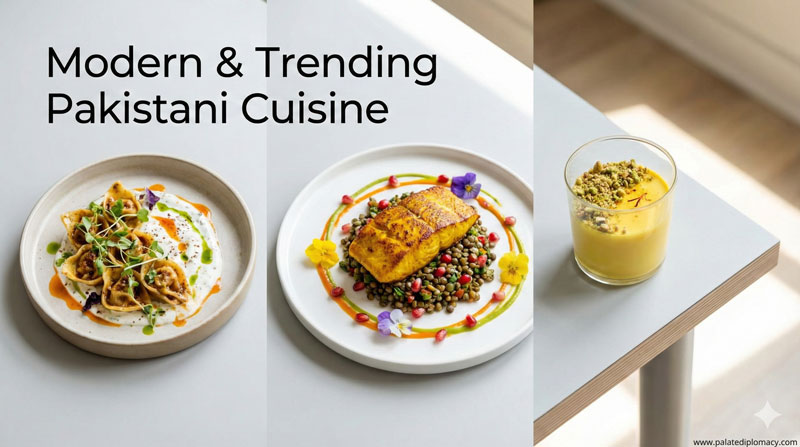
Chefs and home cooks alike find inspiration in this reinvention. The dish demonstrates how street food can influence modern kitchens without losing authenticity. It invites experimentation with plating, texture contrasts, and smart pairings while keeping core flavors intact. The culinary significance lies in showing that tradition can evolve through thoughtful technique and clever combinations. The plate becomes a bridge between everyday eating and restaurant creativity, encouraging new generations to value street traditions as a source of inspiration rather than simply a quick meal. In this way, the dish helps people see Pakistani food culture as dynamic, generous, and endlessly creative.
Serving Traditions and Pairings
The dish lends itself to simple, thoughtful serving: a clean plate, fresh herbs sprinkled on top, and a squeeze of tangy chutney to finish. It pairs well with warm naan or paratha and a cooling beverage such as yogurt-based lassi or a plain chai. These pairings reinforce the sense of hospitality that sits at the heart of Pakistani food culture. The experience remains approachable, making it easy to share with family and friends, which is a key part of how the cuisine is cherished in daily life.
Conclusion: A Living Taste of Pakistani Food Culture
How Street Food Reinvented Reflects Pakistani Food Culture is more than a dish. It is a tribute to the everyday genius found on city streets. It celebrates the way cooks honor tradition while inviting new ideas. It shows how flavor, texture, and aroma can tell the story of a people through food. The dish invites all readers to slow down and savor the moment, recognizing the beauty of street-inspired innovation. In doing so, it places Pakistani food culture in a warm, welcoming light that invites curiosity, respect, and delicious discovery.