
What is Pakora?
In Everything You Need to Know About Pakora, we begin with a simple idea: pakora is a small, crisp fritter made by dipping vegetables or proteins in a seasoned gram flour batter and frying until golden. The result is a light crust around a tender center, finished with aroma and a satisfying crunch. Across homes and markets, pakora welcomes friends and family to the table, turning A Quick snack into a warm, shared moment.
The Batter and Technique
Besan, or gram flour, forms the heart of pakora. Cooks mix it with water, salt, and a blend of spices such as cumin, coriander, turmeric, and chili. Some add a little rice flour or a pinch of baking soda for extra lift. The batter should cling to vegetables without being runny. Heat oil to a steady simmer, then drop spoonfuls and fry until the color deepens to gold. Fry in small batches for even browning, then drain on paper and serve hot.
Varieties You Will Find
Pakoras come in many guises. Onion pakoras, potato (aloo) pakoras, spinach (palak) pakoras, and paneer pakoras are beloved favorites. Cauliflower, bell pepper, and eggplant versions show regional twists. For a heartier bite, some cooks dip meat or fish pieces in the same light batter before frying, creating a flavorful contrast between crust and filling.
Cultural Significance
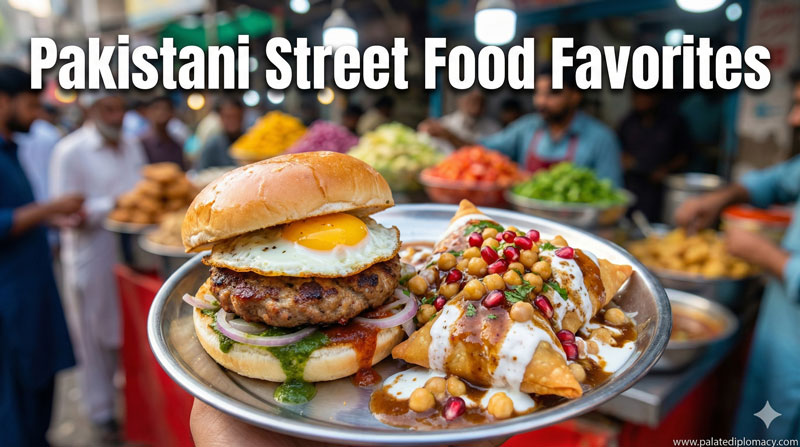
Pakora shines at tea time and as a street snack, inviting slow conversation and shared plates. Families gather around the stove or kitchen counter to flip, wait, and taste. The aroma of frying batter signals hospitality and care. In markets, stalls offer fresh pakoras alongside chutneys, inviting passersby to try a sample and smile. The dish quietly anchors everyday life with warmth and welcome.
Regional Flavors and Spices
Each region adds its own fingerprint. Cumin seeds, coriander, chili, and turmeric anchor the spice blend. Ajwain, or carom seeds, bring a subtle, warming bite. Fresh herbs like cilantro, curry leaves, or mint brighten the batter. Some cooks sprinkle sesame seeds on top for a nutty finish. Local produce shapes the choice of vegetables and even the coating texture, making each pakora a small reflection of its place.
Serving Ideas and Pairings
Pair pakoras with bright chutneys: mint for freshness, tamarind for tang, or yogurt raita for cool balance. A cup of hot chai enhances the comfort of the dish. For a festive touch, serve pakoras with a squeeze of lemon and a sprinkle of chopped coriander. These pairings elevate the experience and invite lingering conversations.
Quick Tips for Perfect Pakora
Keep oil around 350-365°F (180-185°C). A tester drop helps gauge heat. The batter should be thick enough to cling, yet smooth. Do not overcrowd the pan; crowded batches steam rather than fry. Dry vegetables help the batter cling and crisp. Remove when the color is even and the texture is crisp, then drain well and enjoy immediately for the best bite.
Freshness and Storage
Pakoras are best enjoyed fresh and hot. If you need to handle leftovers, refrigerate them briefly and reheat in a hot oven to restore crispness. Do not re-fry in a crowded pan, as this can soften the crust. When reheated properly, the pakoras regain their cheerful crunch.
A Note on Craft and Community
This dish celebrates craft in the home kitchen and the skill of the cook. Each bite carries memory of family gatherings and the pleasure of sharing. Pakora invites curiosity about textures, flavors, and balance. By embracing simple ingredients and precise technique, we honor a culinary tradition that feels timeless and welcoming.