
Introduction: How Paratha Reflects Pakistani Food Culture
Paratha is more than a flatbread. It is a clear reflection of daily life, warmth, and careful craft in Pakistani kitchens. In homes and eateries alike, paratha greets the morning with a welcoming scent and ends the day as a comforting, shared meal. It embodies patience, skill, and joy in cooking. Importantly, each bite tells a story of material you can touch—flour, water, salt, oil or ghee—brought together by rhythm and care. Thus, paratha becomes a gentle ambassador of flavor, texture, and tradition that many families celebrate with regularity and delight.
Texture and Technique: The Craft Behind the Layered Paratha
The magic of paratha lies in its texture. First, dough is mixed and rested so it becomes supple. Then it is divided and rolled with mindful precision. Next, oil or ghee is brushed, and the dough is folded to invite delicate, flaky layers. When the paratha hits a hot tava or tawa, steam and heat puff it gently, and a glossy finish appears. In parallel, the skillful cook watches the surface and adjusts until the layers separate in a soft, airy bloom. Consequently, each paratha feels both sturdy and tender, ready to pair with a bright chutney, a tangy yogurt, or a savory filling.
Regional Voices: Varieties Across Pakistan
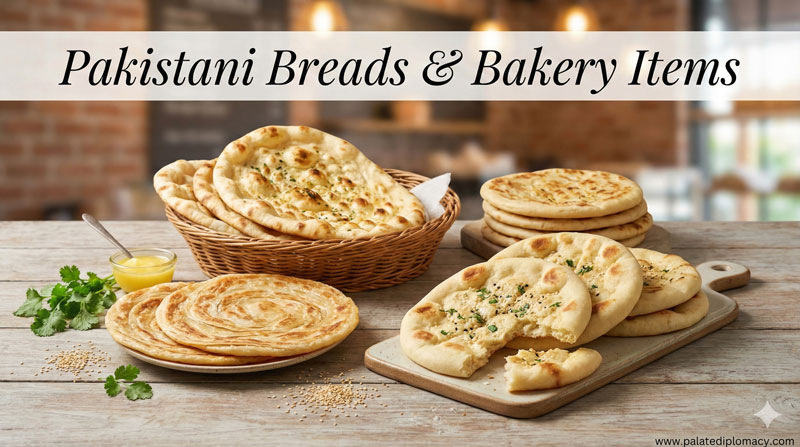
Across regions, parathas wear different flavors and shapes. Plain parathas stay simple and sturdy, ideal for everyday meals. Butter parathas glow with a rich sheen and a aromatic finish. Then there are stuffed varieties, such as aloo paratha with spiced mashed potato, gobhi paratha with cauliflower, or keema paratha with minced meat. Laccha paratha showcases visible layers in a marbled pattern, a signature of its multilayered technique. Each version carries local spices, seeds, and textures, yet all share the same spirit: a bread that respects tradition while inviting personal touches. This diversity speaks to the adaptability and warmth of Pakistani cooking.
The Morning Circle: Paratha, Tea, and Everyday Rituals
Many households begin the day with paratha and a cup of hot tea. The ritual is simple and sincere: a warm paratha, a small bowl of yogurt, and a tangy pickle beside it. This pairing awakens the senses and sets a comforting tone for the morning. Some enjoy a brush of ghee for extra aroma, others savor it plain, letting the bread speak for itself. Regardless of the exact accompaniments, the moment centers calm conversation, shared bites, and a sense of welcome. In this way, paratha helps turn a meal into a small, daily celebration.
The Social Plate: Hospitality, Sharing, and Festive Moments
Hospitality shines when paratha enters the table. It travels from kitchen to serving plate with a warm, inviting scent. Friends and family gather, passing the platter with smiles and encouragement. Paratha is often present during festive moments and special gatherings, where multiple dishes share the spotlight. It carries a spirit of sharing—one bread, many possibilities, and a sense of togetherness. In this sense, paratha becomes a social thread, weaving people into a larger tapestry of food, conversation, and memory.
Tools and Care: The Kitchen Stage for Paratha
The kitchen tools matter as much as the recipe. A well-seasoned, heavy flat pan or tawa ensures even heat and quick browning. Some cooks favor a tandoor for a smoky finish and a dramatic rise, while others rely on a hot skillet for convenience. Brushing the dough with ghee at the right moment adds luster and a touch of depth. Resting the dough, keeping the surface lightly floured, and adjusting heat are all subtle skills that keep parathas soft and flavorful. In short, the right tools and careful technique let paratha shine.
A Living Tradition: Modern Twists and Timeless Appeal
Today, home cooks adapt paratha to fit modern kitchens while honoring tradition. Whole-wheat flour brings a heartier mouthfeel, and multigrain blends add gentle nutty notes. Some households experiment with lighter fats or flavored fillings, always maintaining balance with spices and herbs. Yet the essence remains the same: a bread born from patience, care, and shared eating. This living tradition welcomes new ideas while preserving the comforting, familiar memory of a paratha hot off the griddle.
Conclusion: A Dish That Feels Like Home
Paratha stands as a delicious bridge between routine and celebration. It invites hands-on craft, offers comforting textures, and supports social moments around the table. In Pakistani Food Culture, paratha is more than sustenance; it is a gentle invitation to slow down, savor, and connect. Whether enjoyed plain, layered, or stuffed, it remains a trusted companion in kitchens and hearts alike. If you seek a dish that honors craft and welcomes company, paratha warmly answers the call.