
Introduction
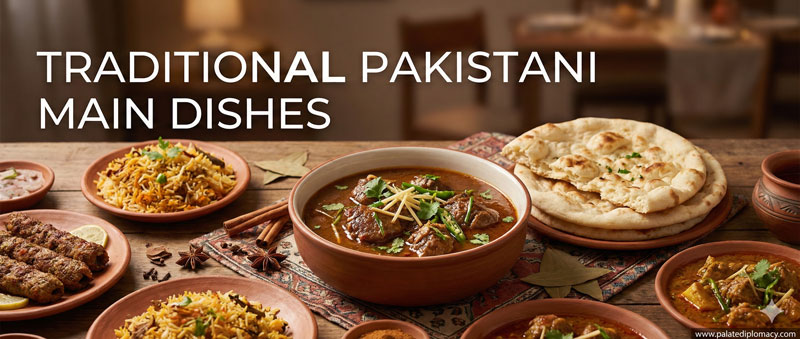
Everything You Need to Know About Paya opens with a pot that hums with warmth. This dish, often a hearty trotters soup, invites both aroma and memory to the table. Paya is less a mere meal and more a celebration of patience, craft, and shared time. In this guide, you’ll see how Paya blends simple ingredients into a dish that feels ancient and immediate at once. The goal is to appreciate its cultural value and culinary significance, in a way that is inviting and respectful.
What is Paya?
Paya is a slow-simmered broth built from meat trotters, usually lamb or goat, and sometimes beef. The bones and skin release gelatin as they cook, giving the soup a velvety thickness that coats the palate. Cooks season the pot with a balance of aromatics—onions, garlic, ginger—and a chorus of warm spices. The result is a bright, comforting broth with a refined, silky texture. Beyond taste, Paya carries a sense of ritual: watchful simmering, careful skimming, and steady attention to heat. The dish shines when the broth remains clear and the meat pulls away easily from the bone.
Ingredients and Craft
Paya thrives on balance. A traditional pot includes:
– Trotters (lamb or goat), sometimes with a mix of meat for depth
– Onions, garlic, and ginger for sweetness and brightness
– Whole spices such as cinnamon, cardamom, cloves, and bay leaves
– Ground spices or masalas that blend warmth with fragrance
– Salt and a splash of citrus or peppers for lift
The craft lies in slow, attentive simmering. Start with a cold pot to help the marrow and connective tissue release their flavors gradually. Skim gently to keep the broth clear. The cooking time varies by size and type of trotters, but the essence is patience: a long, steady simmer that builds richness without harsh bitterness. Finishing touches—fresh herbs, a squeeze of lime, or a bright chili sauce—bring the dish into fresh focus.
Regional Echoes: A Trotter Tradition
Every region adds its own notes to Paya. In some areas, cooks toast spices before adding them to bloom their aroma. In others, a splash of yogurt or a hint of citrus brightens the finish. Some kitchens enrich the broth with a touch of ghee or butter to deepen the mouthfeel, while others keep the glaze light, relying on the trotters’ natural gelatin for body. Across towns and families, the common thread is careful technique and a reverence for slow cooking. The dish becomes a bridge between generations, passed down with tweaks that reflect local tastes and seasonal ingredients.
The Social Slice: Paya as a Shared Dish
Paya often appears at dawn gatherings, weekend meals, or celebratory tables. It serves as a comforting anchor during cool weather, inviting people to gather, converse, and share a moment of warmth. The act of ladling steaming broth into bowls becomes a small ceremony: each person receives a fragrant, steaming cup, accompanied by bread or rice and a blanket of condiments. In this way, Paya is more than nourishment; it offers a space for connection, conversation, and quiet appreciation of skill and time. The dish thrives on the idea that good food grows through patience and shared effort.
Savoring Paya: Texture, Aroma, and Flavor
The texture of Paya is its defining feature. The gelatin from trotters creates a satin mouthfeel that lingers pleasantly. The aroma fills the room with notes of toasted spices, caramelized onions, and the warmth of simmered meat. Flavor wise, Paya often strikes a balanced harmony: savory depth from long simmering, gentle sweetness from onions and marrow, and a clean finish provided by citrus or fresh herbs. Each spoonful invites you to discover layers—bone-derived mineral savor, the silkiness of the broth, and the bright lift from finishing accompaniments. This interplay makes Paya a dish that rewards slow tasting and mindful savouring.
Pairings and Serving Traditions
Paya shines when paired with simple accompaniments that respect its richness. Common choices include:
– Flatbreads such as naan or paratha to scoop and mop the broth
– Plain steamed rice to balance the velvety texture
– Fresh lemon or lime wedges to brighten the finish
– Chopped cilantro, sliced green chilies, and a light drizzle of oil for color and zing
– A side of yogurt or raita in regions where a cooling contrast is preferred
These pairings emphasize balance. They let the Paya’s depth speak while offering fresh notes to cleanse the palate between sentences of broth. The serving style invites gentle, unrushed dining, aligning with the dish’s culture of togetherness and appreciation for craftsmanship.
A Glimpse of Modern Paya
Chefs today explore Paya with respectful experimentation. Some versions incorporate subtle regional twists—adjusting spice profiles, adding a touch of saffron for aroma, or finishing with a squeeze of citrus zest. Yet the core remains intact: a slow, gelatin-rich broth that honors the trotters’ contribution to texture and flavor. Modern cooks may also present Paya in lighter formats or as part of a larger tasting menu, but the spirit endures—precision, patience, and a deep respect for tradition. The dish adapts gracefully, inviting new diners to discover its comforting resonance while keeping the traditional heart intact.
Cooking at Home: A Simple Approach
If you wish to experience Paya at home, start with a clear plan:
– Choose fresh trotters and a good balance of lean meat to enrich the broth
– Brown aromatics first to build depth, then add spices and water
– Simmer slowly for several hours, skimming gently to maintain clarity
– Finish with bright herbs, citrus, and a touch of salt to balance the richness
This approach yields a pot that captures the essence of Paya: a fragrant, nourishing broth with a silky texture and a comforting finish. Invite family and friends to share in the process and the meal. Their presence is part of the dish’s beauty.
Why Paya Feels Timeless
Paya embodies patience, craft, and community. It celebrates the way a single ingredient—trotters—can render a broth that feels both simple and profound. The dish teaches appreciation for slow heat, careful technique, and the joy of gathering around a pot that has been tended with care. In every season, Paya offers nourishment and a quiet celebration of food as a shared, meaningful experience. Its cultural value lies in its ability to connect cooks and diners to a tradition of warmth, skill, and generosity.
Final Thoughts
Paya stands as a testament to how a thoughtful approach to ingredients can yield a dish that is greater than the sum of its parts. It invites curiosity, respect, and participation, whether you savor it in a bustling kitchen or a quiet family meal. By cherishing its technique and the social rituals around it, you honor a dish that has long held a special place in food culture. If you’re seeking a comforting, authentic experience, Paya offers a welcoming path to explore a beloved tradition through taste, texture, and time.