
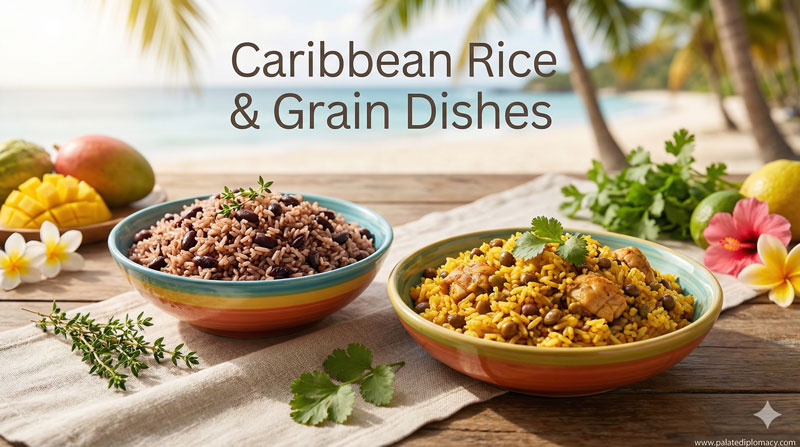
What is Pelau?
Pelau is a warm, one-pot dish that shines in Caribbean kitchens, especially in Trinidad and Tobago. It blends rice, coconut milk, and meat with pigeon peas to create a comforting, savory-meets-slightly-sweet flavor. A distinctive feature is the caramelized layer of sugar that colors the grains as they cook. The result is a fragrant, hearty meal that invites sharing and conversation around the table.
Core ingredients and flavor profile
- Rice, pigeon peas, and meat (most often chicken, but beef, pork, or duck are used in some homes)
- Coconut milk or a light coconut stock for richness
- Aromatics such as onion, garlic, thyme, and scallion
- Mild chili or hot pepper for gentle heat
- Caramelized sugar or a similar browning agent to color the rice
- Optional vegetables or herbs to suit local tastes
Pelau brings a balance of creamy texture from the coconut milk and a satisfying bite from the toasted grains. The caramelization adds depth, while the meat provides a comforting, savory backbone. Each family often adds their own tweaks, creating a tapestry of small differences that makespelau feel familiar wherever you find it.
The cooking method and technique
- Begin by browning a little sugar in a sturdy pot to create a light caramel. This step is the heart of pelau’s color and flavor.
- Add meat and sear until the surface is nicely browned.
- Stir in aromatics to release their fragrance, then mix in the rice so it gets a light coating.
- Pour in coconut milk and water, along with pigeon peas and any chosen vegetables.
- Simmer gently until the rice absorbs the liquid and becomes tender, watching for the perfect balance between softness and bite.
- Rest briefly after cooking to allow flavors to settle and to keep grains fluffy.
This method rewards careful heat control and patience. The result is grains that are lightly toasted, yet moist, with a savory-sweet aroma that signals a meal well worth sharing.
Pelau’s cultural value in Caribbean life
Pelau is more than a dish; it is a social connector. It appears at family gatherings, picnics, street markets, and weekend meals, inviting people to come together, savor familiar flavors, and trade stories. The process of cooking pelau often involves several hands in the kitchen, teaching younger cooks about timing, seasoning, and patience. This shared labor helps pass down techniques and taste from one generation to the next.
The dish also reflects regional identity. While versions vary, the core idea remains the same: a one-pot meal that showcases local ingredients and a practice of mindful braising and toasting. Pelau celebrates resilience and creativity, honoring traditions while inviting everyday cooks to make it their own.
Regional variations and substitutions
Across the region, cooks adapt pelau to what is available. Common variants include different meats, such as pork or duck, and occasional additions like carrots or peppers. Some kitchens use a lighter or thicker coconut base, depending on preference. The rice-to-liquid ratio may shift with the type of rice used. These variations keep pelau vibrant and relevant in many homes while preserving its essence: a flavorful, communal dish.
How to enjoy pelau
Pelau shines on its own, warmed through with a simple side Like a fresh salad or pickles. It pairs well with hot pepper sauce for those who like a kick, and crusty bread can help soak up the savory juices. A light fruit chaser, such as lime or mango, can offer a bright balance to the dish’s richness.
Practical tips for home cooks
- Use a heavy pot for even browning and to prevent sticking.
- Color the caramel carefully; a deep amber color yields the best depth of flavor.
- Toast the rice lightly before adding liquids to boost aroma and texture.
- Let the dish rest a few minutes after cooking to allow flavors to meld.
- Adjust heat and salt gradually; pelau relies on a balance of savory meat, coconut, and aromatics.
A warm invitation to explore
Pelau invites cooks and eaters alike to slow down a touch, savor the aroma, and celebrate the beauty of well-balanced flavors. Its simplicity and versatility make It a staple that travels well in memory—from a bustling kitchen to a peaceful table. If you’re curious to experience a dish that embodies comfort, craft, and community, pelau offers a friendly, flavorful entry point.