
What Pelau Is
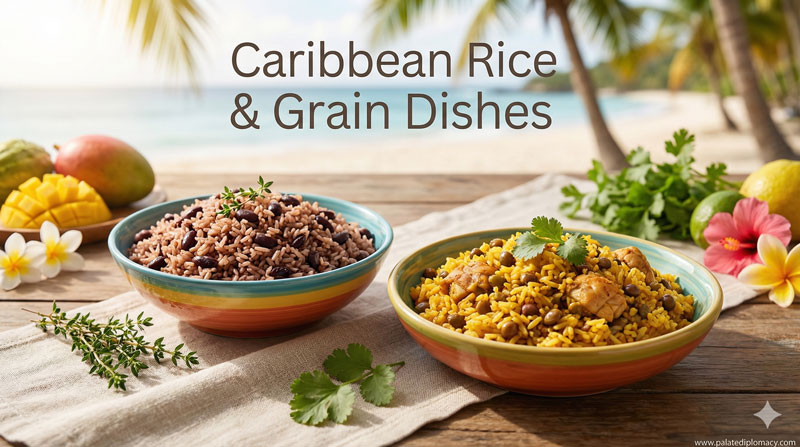
Pelau is a delicious one-pot rice dish that shines with caramelized sweetness, savory meat, and rich coconut flavor. It is a staple in several Caribbean kitchens, especially in Trinidad and Tobago and Grenada, where families gather to share a meal that feels Like a warm embrace. The dish blends textures and colors: the glossy lake of rice, the tender meat, and the occasional crisp bite from browned bits that settled at the bottom. Pelau invites curiosity and celebration all at once. Its core idea is simple: a carefully timed balance of browning, simmering, and resting creates a plate that tastes familiar and new at the same time. This makes pelau more than a dish; it is a ritual of flavor and care passed from cook to cook.
A Dish Built on Shared Hearths
Pelau earns its cultural value through the way it brings people together. It is a dish that travels through kitchens, from home stoves to street stalls, carried forward by hands that know the rhythm of the pot. In many households, pelau is prepared for gatherings, Sunday lunches, or special occasions when relatives come together. The cooking itself becomes a social act: one person browns the meat, another stirs the pot, a third species of seasoning is whispered in as a memory. The result is a plate that carries stories in every spoonful. In this sense, pelau is more than sustenance; it is a shared experience, a communal memory plated and enjoyed.
Core Ingredients and Their Voices
The Heart of pelau lies in its ingredients. A fragrant base often includes onions, garlic, and peppers that wake up the pot. Pigeon peas or gungo peas add a gentle creaminess and a hint of nuttiness. The rice absorbs the flavors, becoming a fragrant canvas for the rest of the dish. Coconut milk or rich stock gives the dish its luxurious mouthfeel and a sunny, tropical note. A touch of browned sugar caramelizes the meat and vegetables, creating depth and a glossy color. Chicken is a common choice, but beef, pork, or a combination can make pelau in different kitchens. The seasoning is simple yet expressive: salt, pepper, and, if you like heat, a dash of hot pepper. Each ingredient speaks, and together they sing of home and craft.
The Technique That Defines Pelau
Pelau shines because of its technique. First, sugar is heated until it caramelizes, forming a golden, flavorful base. Then meat is browned, locking in moisture and adding a rich, roasted aroma. Vegetables join next, releasing fragrance as they soften. Rice is added, followed by coconut milk or stock, and the mixture simmers until the grains are tender and the flavors mingle. The lid stays on, the heat stays steady, and the pot rests briefly before serving. The result is a cohesive dish where every element supports the others. It is a method that rewards patience and attention, turning simple components into something celebratory and comforting.
Regional Variations and Personal Touches
Pelau is celebrated in several Caribbean communities, and you can taste differences in each version. In some kitchens, the meat choice changes with the season or the cook’s preference. In others, a squeeze of lime brightens the dish just before serving. Vegetarians and vegans may use pumpkin, chickpeas, or extra vegetables to create a satisfying pelau without meat. The spice profile can vary as well, from mild and cozy to boldly peppery. Some cooks add a pinch of turmeric for color, while others rely on the natural richness of coconut and browning. These variations reflect regional flavors and personal memories, making pelau a flexible emblem of Caribbean cooking.
Pelau in Festive and Everyday Moments
Pelau holds a place in both everyday meals and festive menus. On busy days, a well-planned pelau can feed many with a single pot, saving time while delivering nourishment and pleasure. In festive moments, it becomes the centerpiece around which conversations and laughter swirl. Street vendors may offer pelau with fried plantains, a refreshing salad, or a bright, tangy sauce that complements the dish’s richness. The versatility is part of its charm: pelau fits a quiet family lunch as neatly as a lively gathering with friends. Its presence in so many moments makes it a reassuring, beloved option for cooks and eaters alike.
Serving Traditions and Flavor Pairings
When pelau is plated, it invites careful serving. A generous portion of the rice and meat rests on the plate, sometimes crowned with a few steamed greens or a slice of lime for brightness. Side dishes can be simple: fried plantains, a light salad, or pickled vegetables. A hot pepper sauce or a mild chutney can awaken the palate without overpowering the dish’s natural sweetness. The best pairings enhance pelau’s coconut and caramel notes, while letting the savoriness of the meat shine through. Eating pelau becomes a complete sensory moment, where aroma, texture, and color work together to create a satisfying and memorable experience.
Healthful Notes and Modern Twists
Pelau can be a balanced choice when prepared with care. Choosing lean meat, rinsing the rice, and controlling the amount of added oil helps keep the dish lighter. Adding plenty of vegetables boosts fiber and vitamins, while coconut milk provides a comforting richness in moderate amounts. Modern twists might explore lighter broths, less sugar, or additional greens. Still, the essence remains intact: pelau is a thoughtful, savory, and satisfying creation that honors its ingredients and the cooks who bring it to life. It is a dish that invites experimentation while preserving core flavors that make it recognizable and cherished.
Preserving a Beautiful Culinary Tradition
Pelau stands as a bright reflection of Caribbean cooking: simple ingredients, careful technique, and a warm sense of community. It honors the cooks who build flavor through patience and the households that pass recipes from one generation to the next. The dish’s beauty lies in its balance—the crisp depth of caramel, the tenderness of meat, the creaminess of rice, and the glow of coconut. Pelau invites curiosity: try it, feel its rhythm, and share it with others. In this way, pelau remains a living celebration of food culture—delicious, welcoming, and forever evolving.