
Introduction
Pelau is a warm, inviting one-pot treasure in Caribbean kitchens. This dish speaks softly of shared meals, bright flavors, and a rhythmic cooking tempo that many families know by heart. In every spoonful, you can sense care, patience, and a celebration of everyday food. The Story of pelau is a story of welcome, nourishment, and the simple joy of gathering around the stove.
What is Pelau?
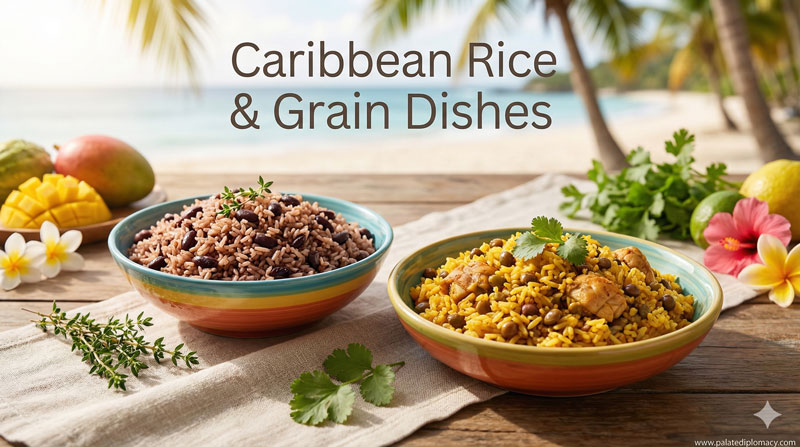
Pelau blends rice, meat, and legumes in a single, fragrant pot. Commonly, chicken is the star, but pork or beef can also appear in some homes. Pigeon peas or kidney beans add a creamy bite, while coconut milk gives a gentle sweetness. A kiss of caramelized sugar browns the rice and meat, creating a toasty depth. Aromatic herbs and spices mingle with onions and peppers to form a lively, balanced profile. The result is a hearty dish that feels both rustic and refined.
The Cooking Process and Flavor
The cooking journey starts with browning sugar to a shallow caramel that coats the pot. This step infuses the dish with a warm, nutty aroma. Next, meat joins the pot and browns for texture and flavor. Then rice, peas, and coconut milk are added, along with herbs such as thyme and scallions. The pot simmers until the grains are tender and the flavors marry. The bottom layer, lightly crisp and flavorful, adds a comforting contrast to the soft rice. The overall taste is a harmonious blend of savory, slightly sweet, and herbal notes, with a gentle coconut kiss that binds the dish together.
Cultural Significance in Caribbean Kitchens
Pelau holds a special place in many Caribbean kitchens as a versatile, reliable staple. It is a dish that teams up well with family gatherings, weekend meals, and casual celebrations. Prepared in larger batches, it invites sharing, conversation, and a sense of togetherness. The act of cooking pelau—measuring ingredients, stirring thoughtfully, and waiting as the pot releases its aroma—creates a calm rhythm that families recognize and cherish. Pelau also travels well as a street food favorite, where it shows the same comforting essence in a portable form. In homes and markets alike, pelau is a reminder that good food brings people together with warmth and respect.
Regional Variations and Adaptations
Across the Caribbean, pelau adapts with regional twists while keeping its core identity. Some kitchens favor chicken, while others enjoy beef or pork variants. The choice of legumes—pigeon peas or kidney beans—adds a different creamy texture. Spices and seasonings can range from simple herb notes to brighter touches of pepper and lime. Plantain slices, hot sauce, or fresh salads may accompany pelau, highlighting the versatility of the dish. These variations celebrate local ingredients and tastes while preserving the comforting, communal mood pelau embodies.
Serving, Pairing, and Moments
Pelau shines as a centerpiece for casual meals and celebratory feasts alike. Serve it hot, with crisp accompanyings and a side of fresh vegetables or pickles. A wedge of lime or a splash of hot sauce can elevate the flavors just before serving. The dish pairs beautifully with bright beverages and a relaxed dining pace that invites lingering at the table. Sharing pelau becomes a small ceremony of hospitality, where meals become memories and every bite invites another story.
Conclusion: A Heartfelt Invitation to Enjoy Pelau
Pelau stands out for its warm, generous character and its ability to carry a room with aroma and flavor. It reflects Caribbean culinary spirit in a single pot: resourcefulness, balance, and a love for good company. By cooking pelau, you welcome a piece of Caribbean food culture into your own kitchen—one that celebrates flavor, togetherness, and the beauty of everyday meals. If you try making it, you invite a joyful tradition to your table and a dish that speaks of care, craft, and community.