
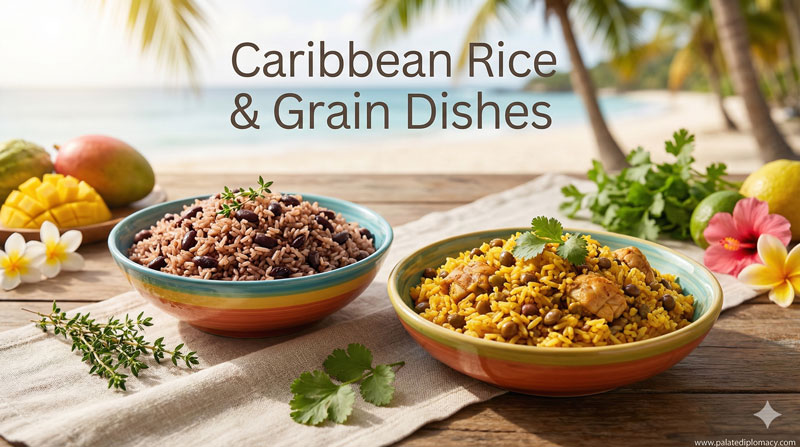
How Pelau Reflects Caribbean Food Culture
Pelau is a bright and beloved dish that embodies Caribbean cooking at its best. It comes from home kitchens and outdoor grills alike, where a single pot can feed a family and spark conversation. The dish blends simple staples into something festive and comforting. Its aroma, texture, and balance of flavors invite everyone to come together. In this way, pelau mirrors the warmth and generosity that many Caribbean meals celebrate.
What is Pelau?
Pelau is a flavorful one-pot Rice Dish centered on meat, pigeon peas, and rice. Coconut milk and a savory stock keep the grains tender and rich. A quick caramelization step using a small amount of sugar gives color and a subtle sweetness. The base often features onions, garlic, peppers, and fresh herbs, with spices like thyme and allspice adding depth. The rice cooks slowly in the pot, absorbing flavors and creating a satisfying crust at the bottom. This combination delivers a hearty, well-rounded meal in a single serving.
Core Flavors and Techniques
First, a touch of sugar browns in oil to form a caramel base. This step builds color and a nutty sweetness. Next, peas and meat join the pot to develop depth through browning. Then comes a fragrant sofrito-like mix of onion, garlic, and pepper, followed by herbs and spices. Coconut milk blends with stock to keep the rice lush and aromatic. Finally, rice and pigeon peas simmer together until the grains are tender and the flavors are fully harmonized. The result is a dish with contrast: the soft rice, the savory meat, and a hint of crisp edges from the bottom layer.
Pelau as a Community Dish
Pelau thrives in gatherings and everyday meals alike. Families prepare it for weekend feasts, and neighbors often share large pots at community events. The process invites collaboration, with generations passing along tips for browning the meat, timing the risotto-like fold of rice, and testing the texture. As the pot simmers, the kitchen becomes a place of conversation and sharing. The experience itself—serving portions, offering seconds, and enjoying the aroma together—stands as a small tradition that strengthens bonds.
Key Ingredients and Their Significance
Pigeon peas bring body and a gentle sweetness that complements the meat. Long-grain rice acts as the canvas, soaking up spices and coconut notes. Coconut milk adds creaminess and a tropical perfume that lingers after each bite. Meat, commonly chicken, provides protein and depth, while the browning step adds a toasty, caramelized character. A note of thyme and a hint of allspice tie the dish to familiar Caribbean flavor profiles. Together, these ingredients celebrate local harvests and practical, flavorful cooking.
Pelau in Caribbean Food Culture
Across islands, pelau travels with recognizable flavors, yet with its own local spin. In Trinidad and Tobago, chicken pelau is a staple in many households, often adapted with regional herbs and peppers. Other islands bring variations that use beef, duck, or seafood, reflecting available ingredients and family traditions. The dish remains a versatile showcase of pantry staples like rice, beans, and coconut, brought together through careful technique. This flexibility highlights how Caribbean cuisine honors both consistency and creativity in everyday meals.
Occasions and Traditions
Pelau often shines on weekend tables, beach grills, and festive potlucks. It pairs well with simple sides like fresh salad or fried plantains, allowing the main flavors to stand out. The act of cooking and sharing pelau creates small, joyful rituals—hands stirring the pot, tasting from the spoon, and exchanging ideas about timing and texture. In many homes, the dish becomes a comforting reminder of home, companionship, and shared nourishment.
Modern Twists and Global Reach
Today, cooks experiment with healthier options, such as using brown rice or mixed grains while preserving the essential caramel note. Some add vegetables for brightness and crunch, or switch to different proteins to suit preferences. Yet the core idea remains intact: a one-pot meal that brings together starch, protein, and flavor in harmony. Pelau travels well within kitchens beyond its origin, inviting a wide audience to enjoy its comforting qualities.
Conclusion
Pelau stands as a flavorful celebration of Caribbean Food Culture. It shows how simple ingredients, thoughtful technique, and generous sharing can create a dish that feels both familiar and special. The dish’s balance of caramel, coconut, herbs, and heartiness reflects a culinary tradition rooted in resourceful, joyful cooking. As a staple that invites community and daily delight, pelau remains a beautiful expression of the region’s food life.