
The Story Behind Pelau, a Caribbean Food Favorite
Pelau invites you into a warm Caribbean kitchen where the clock slows and the aroma does the talking. This dish is a celebration of everyday moments turned special. You’ll often find pelau at family gatherings, weekend fetes, and friendly neighborhood cookouts. It is a dish that thrives on shared effort and shared delight. The beauty lies in its rhythm: brown sugar caramelizing, onions softening, and rice absorbing color and fragrance. Pelau’s story is The Story of nourishment, care, and community. When the pot opens, it speaks in steam and scent, inviting everyone to the table with a simple, generous promise: “Eat well, together.”
The One-Pot Craft: How Pelau Is Built
Pelau shines as a one-pot treasure. The process starts with a small flame and a heavy pot. A spoon of brown sugar caramelizes to a deep amber base. Onions follow, warming the pot with sweetness and perfume. Aromatics join in—garlic, peppers, and a hint of herbs—creating a bright, inviting base. Meat, often chicken or beef, browns in this glaze, adding depth and a savory core. Pigeon peas or another small legume join the mix, bringing color and a soft bite. The rice goes in next, lightly toasted to wake its nutty notes. Coconut milk and stock pour in, and the pot simmers slowly. Steam rises in ribbons as the grains plump and the meat becomes tender. The lid stays on until the flavors fuse and the rice is fluffy with a gentle bite. Finally, the pelau rests for a moment, letting flavors settle so every spoonful feels complete.
Color, Flavor, and Texture: The Palette of Pelau
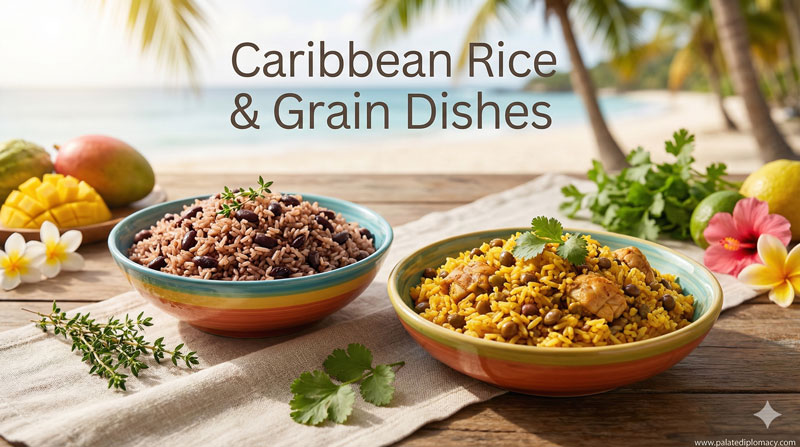
Pelau presents a rich tapestry of color and aroma. The rice carries a warm amber hue from the caramel base. Dark edges on some grains catch the light, hinting at the toasty depth inside. Green peas or pigeon peas add bright flecks of color and a soft bite. The meat stays moist, its savor balanced by the coconut cream and caramel sweetness. The onions contribute sweetness and a mellow sharpness, while peppers offer a fresh lift. Each mouthful blends nutty, tropical, and toasty notes in a single, satisfying bite. The texture is a thoughtful balance: tender meat, fluffy rice, and just-right peas that hold their shape.
Pelau at Home and in Celebrations
Pelau is a social dish. It appears at Sunday dinners, weekend gatherings, and festive street corners. In homes, families cook large pots and share the labor and the meal. Children watch the caramel bubble, learning patience and care. Adults talk over the stove, ensuring the heat remains steady and the flavors meld. In public spaces, pelau vendors create a feast for the senses. The aroma travels through markets, inviting passersby to pause, sample, and smile. The dish has a unifying effect, drawing friends and neighbors together around a common plate. Its presence signals warmth, hospitality, and the joy of nourishment shared with others.
Regional Variations
Across the Caribbean, pelau adapts to local tastes. Chicken is a common star, but beef, turkey, or fish appear in many kitchens. The mix of peas and beans can vary by household, and some cooks add touches like thyme, a bay leaf, or a splash of lime for brightness. The spice level shifts with regional palates, ranging from milder to more robust profiles. In some places, a final splash of hot pepper sauce is offered on the side for a bright finish. Each variation celebrates the same idea: a hearty, one-pot meal that honors simple ingredients and careful technique. The result remains comforting and familiar, a dish that travels well from stove to table.
Serving and Pairings
Pelau pairs beautifully with fresh, crisp sides. A light green salad or cucumber relish can brighten the plate. Fried plantains bring sweetness and contrast. A simple pepper sauce or chutney adds a lively kick at the table. For drinks, a cool, citrusy beverage or a refreshing soda complements the richness. Pelau also sits well with a tangy lime wedge or a drizzle of hot sauce for those who enjoy a gentle spark. The serving experience emphasizes sharing: bowls passed hand to hand, smiles trading between bites, and the sense that everyone is part of the feast.
Tips for a Perfect Pelau at Home
- Start with a steady, moderate heat to avoid scorching the caramel base.
- Toast the rice lightly before adding liquids to deepen the nutty aroma.
- Use fresh coconut milk if possible for a brighter tropical note.
- Keep the lid on during simmering to trap steam and evenly hydrate the grains.
- Taste and adjust salt near the end; a touch of lime can brighten the dish.
- Let the pelau rest a few minutes after cooking to blend flavors fully.
- If you’re new to pelau, start with chicken and pigeon peas as a gentle introduction, then explore beef or fish versions.
The Everyday Beauty of Pelau
Pelau stands as a testament to patience, craft, and care. It is a dish that teaches balance: heat and time, sweetness and savor, simplicity and heart. The method is approachable enough for a weeknight meal, yet generous enough for a crowd. It honors the everyday kitchen while offering a bright moment of celebration. When you lift a spoonful, you taste the care that goes into a home-cooked Caribbean favorite. Pelau is more than food; it is a ritual of sharing, a chorus of flavors, and a lasting symbol of the beauty found in culturally rich, lovingly prepared meals.