
Introduction
Pelau is a beloved Caribbean dish that welcomes the senses with color, aroma, and heart. It is the kind of meal that turns a meal into a memory. In homes and on street corners, pelau invites people to gather, share, and celebrate good food. The dish showcases how simple pantry ingredients can become something vibrant, comforting, and deeply satisfying. Its story is one of warmth, skill, and everyday elegance.
What is Pelau?
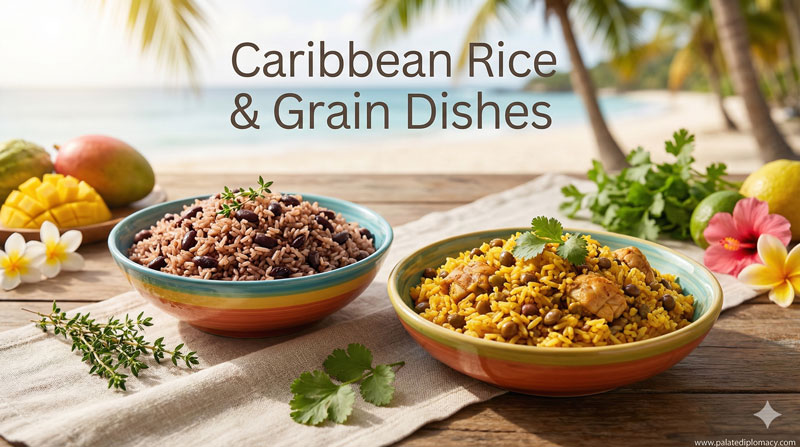
Pelau is a one-pot rice dish built on chicken or another meat, long-grain rice, and pigeon peas or similar beans. Coconut milk adds richness, while a touch of caramelized sugar colors the grains with a golden hue. Aromatics such as onions, garlic, peppers, and a blend often called green seasoning wake the flavors. The result is a balanced dish where sweet, savory, and herbal notes meet. While chicken is traditional, cooks also make pelau with beef, pork, or plant-based options. Each variation carries its own character while honoring the core technique.
The Technique Behind the Flavor
The magic of pelau lies in its method. First, seasoned meat is browned to develop depth. Then sugar is heated in oil until it caramelizes, lending a warm caramel color and a gentle sweetness. Rice is added and stirred until glossy, picking up those browned bits from the pan. Coconut milk and water follow, along with peas and any vegetables. The pot simmers slowly until the rice drinks in the liquid and the meat becomes tender. The result is a cohesive, fragrant pot where each grain carries a touch of sweetness and the meat remains juicy and Flavorful.
Cultural Value and Culinary Significance
Pelau acts as a culinary thread in the fabric of Caribbean life. It appears at family gatherings, Sunday lunches, and community events. The dish is a shared experience, often prepared with helped hands and intergenerational tips. Its aroma signals hospitality and welcome, inviting friends and neighbors to join in. Pelau also reflects a respect for resourcefulness: it mixes affordable ingredients into a richly satisfying meal, showing how everyday cooking can yield beauty and comfort. In many kitchens, making pelau becomes a small ritual that honors family and tradition while inviting personal creativity.
Regional Flair and Variations
Across islands and households, pelau wears different flavors and textures. Some households lean into spiced marinades, others favor a milder profile that lets the coconut and peas shine. The choice of meat, pea, and aromatics can vary, producing subtle shifts in aroma and color. Fresh herbs, peppers, and local produce tailor the dish to the season. This flexibility keeps pelau vibrant and relevant, a dish that travels well from home kitchen to holiday table while staying rooted in local tastes.
Serving, Pairings, and Mood
Pelau is often paired with bright salads, fried plantains, or a simple slaw. A dab of hot pepper sauce adds a spark of heat for those who like it, while a squeeze of lime can brighten the dish’s richness. It pairs well with refreshing drinks and light desserts, making A Complete meal that feels uplifting and balanced. The presentation in a shared platter or large pot reinforces the sense of community and togetherness that pelau fosters.
Tips for Home Cooks
- Use meat with good flavor or a satisfying plant-based alternative to build a robust base.
- Watch the sugar carefully when caramelizing to avoid bitterness; a light, amber color works best.
- Toast onions, garlic, and peppers lightly to wake their aroma before adding liquids.
- Coconut milk adds richness; adjust the liquid to keep the rice from becoming too dense.
- Let the dish rest a few minutes after cooking to let flavors meld before serving.
A Dish for Generations
Pelau remains a symbol of culinary generosity. It invites everyone to the table and rewards patience with depth and warmth. The dish’s soulful aroma, satisfying texture, and adaptable spirit make It a lasting favorite. In every bite, pelau celebrates the beauty of Caribbean cooking: simple ingredients, careful technique, and a shared love of good food.