
The Story Behind Pelau, a Caribbean Food Favorite
Pelau is more than a dish; it is a living thread that runs through kitchens across Caribbean islands. In homes and at street corners alike, pelau appears as a comforting, everyday treasure and a bright accent at festive meals. The recipe blends simple pantry staples with careful technique to create a pot of warm fragrance and satisfying texture. Chicken or beef meets rice, pigeon peas or beans, coconut milk, onions, garlic, and herbs in a harmonious balance. The result is a dish that speaks of home, family, and shared meals. Pelau invites you to slow down, savor the aroma, and join the conversation around the table.
A One-PPot Celebration
Pelau shines as a one-pot celebration of flavors. The cooking vessel becomes the stage where onions sizzle, meat browns, and rice toasts softly in a kiss of caramelized sugar. The aroma rises through the house, guiding hands to prepare small sides and a bright salad. Because everything cooks together, pelau is efficient yet deeply flavorful. It travels well to gatherings, picnics, and neighbors’ tables, where it becomes a comforting centerpiece that sparks conversation and laughter.
The Flavor Play: Sweet, Savory, and Nutty
Pelau offers a well-balanced flavor profile. The caramel from a touch of brown sugar introduces a gentle sweetness that mingles with the savory depth of browned meat. Coconut milk adds a creamy, nutty backdrop that rounds the dish. The rice absorbs these layers, while peas or beans provide a soft, pleasing texture. A hint of hot pepper or a sprig of thyme lifts the aroma, connecting the plate to its tropical roots. The result is a comforting, well-rounded bite that keeps guests reaching for more.
The Cooking Technique: Caramel, Browning, and Simmer
The technique defines pelau. Start by heating a pot and letting a small amount of sugar melt until it browns. This caramel forms the first note of flavor. Add meat to sear and render fat, which deepens the dish’s savor. Sauté onions, garlic, peppers, and herbs until they glisten, releasing aromatics. Stir in rinsed rice to toast it briefly with the aromatics. Pour in coconut milk and water, add peas, and simmer until the grains are tender and the broth has melded with the meat’s richness. A short rest helps the steam settle, then a gentle stir unifies the grains for a fluffy finish. The process rewards steady heat, patience, and care in timing.
Regional Variations Across the Caribbean
Pelau wears subtle regional signatures while staying true to core techniques. In Trinidad and Tobago, chicken pelau with pigeon peas is a beloved, crowd-pleasing version, cooked until the grains separate and the aromas mingle deeply. Barbadian kitchens may experiment with different beans or meats, producing a slightly crisper bottom layer and a distinct finish. In Tobago, a touch more coconut and a brighter pepper note can stand out, offering a lighter, vibrant finish. Across islands, cooks adapt to fresh ingredients and personal tastes, yet the dish remains instantly recognizable—a warm, familiar symbol of Caribbean cooking.
Pelau at Home and Community Gatherings
Pelau thrives in the rhythm of daily life and in special moments. Families pass the recipe from one generation to the next, each cook adding a personal touch while honoring the core method. On Sundays, at celebrations, and during casual weekend gatherings, pelau brings people together around the stove, sharing stories, laughter, and the scent of a pot that has been tended with care. Friends visit, curious noses lead to the kitchen, and the pot becomes a focal point for connection. The dish embodies hospitality and the joy of communal eating.
Serving, Presentation, and Pairings
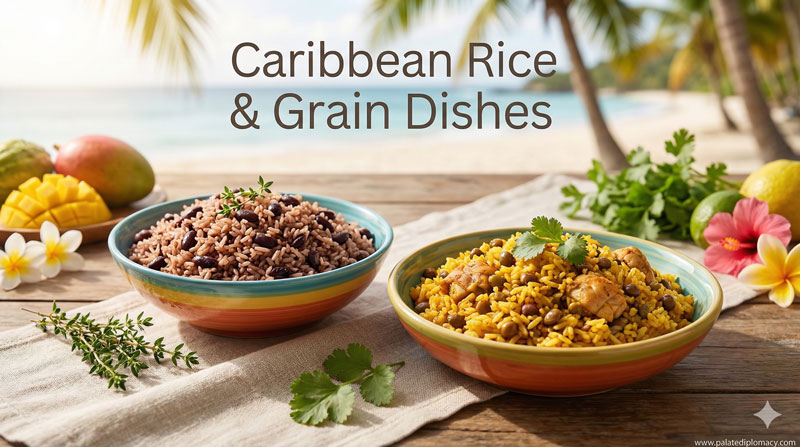
When pelau arrives at the table, it appears as a generously heaped platter of golden grains, dark meat, and green peas, with a glossy sheen from coconut milk. Lime wedges, a touch of hot sauce, fried plantains, or a simple fresh salad brighten the plate. The presentation invites careful spoons and two-handed servings, encouraging everyone to share in the experience. Texture matters: the grains should be tender yet distinct, and the bottom layer—when present—adds a subtle, satisfying bite. A light herb garnish can refresh the palate between bites and celebrate the dish’s bright finish.
Keeping Pelau Alive: Tips and Care
To honor pelau, choose quality ingredients and maintain balance between sweet and savory. Begin with a steady caramelization of the sugar to avoid bitterness. Use fresh coconut milk or a rich, smooth canned option for depth. Rinse the rice lightly to control starch and achieve fluffy grains. Use just enough liquid so the rice cooks evenly and absorbs the flavors. Leftovers can be gently reheated, then stirred to re-integrate the grains. With thoughtful preparation, pelau remains vibrant and comforting, ready to welcome new memories at the table.