
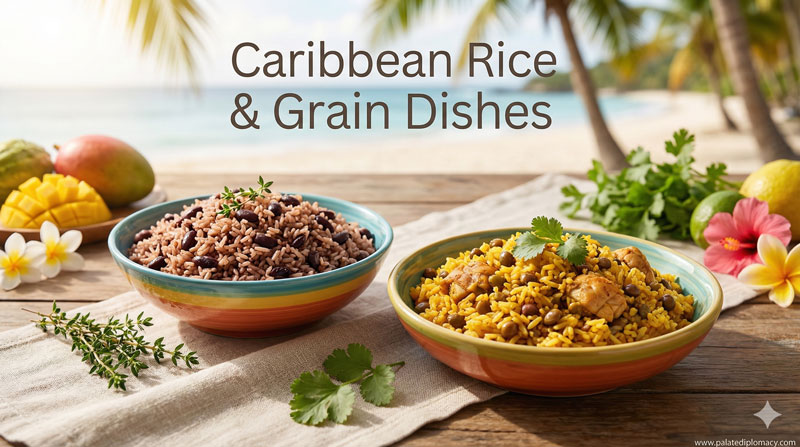
The Story Behind Pelau, a Caribbean Food Favorite
Pelau has a bright, welcoming story. It begins with a one-pot method that brings rice, meat, and beans together. The cooking process reveals layers of flavor. A small amount of sugar is heated until it caramelizes, giving a warm color to the meat and grains. The dish travels well from home kitchens to street stalls, carrying the aroma of coconut milk, thyme, and peppers. Pelau is about balance: moisture from coconut, richness from the meat, and a light, toasted finish on the bottom.
A Culinary Staple of Caribbean Tables
Pelau appears on tables for everyday meals and special gatherings. It feeds a crowd with little effort, making it ideal for family lunches, weekend cookouts, and festive moments. People learn to cook it by watching elders, then by making it their own. The one-pot approach encourages sharing, as everyone can gather around the simmering pot and wait for the aroma to rise. Pelau also marks a point of pride in the kitchen, where technique and care shine.
The Technique: Browning and Layered Flavor
The technique centers on browning and layering. Start with a base of onion, garlic, and peppers. Add meat and let it sear until the edges color and juice concentrates. Then add rice and pigeon peas, moving them through the pan to coat with oil and flavors. Pour in coconut milk or stock, then cover and simmer. A final touch of browned sugar adds color and a nutty note. The result is a cohesive pot where every bite carries a trace of caramel, spice, and smoke.
Key Ingredients and Their Stories
Rice forms the heart, while pigeon peas provide gentle sweetness and texture. Meat options vary; chicken is common, but beef or pork can also shine. Coconut milk brings creamy depth, and thyme, scallions, and hot peppers lift the aroma. Caramelized sugar lends a toasted depth. Tomatoes or vegetables may join for color. Each ingredient plays a role in harmony, creating a dish that feels bright, comforting, and satisfying to the senses.
Regional Twists and Shared Pride
Across the Caribbean, pelau wears its own regional signature. In some places, cooks use different legumes or swap in various meats. The presence of coconut and the browning technique remain constant, while seasonings adapt to local herbs. These twists keep pelau fresh while preserving its inviting core: a one-pot meal that invites people to taste and savor together.
Pelau at Gatherings and Everyday Life
Pelau brightens daily meals and elevates celebrations. It invites everyone to share a bowl and a moment of warmth. The scent travels through the home, turning cooking into a welcome. It pairs well with fresh vegetables, light salads, and a squeeze of lime. Beyond flavor, pelau carries memory: the careful steps, the family smiles, the late afternoon chat while the pot simmers.
A Dish to Savor and Celebrate
Pelau is more than a recipe; it is a celebration of Caribbean Food Culture. It honors balance, patience, and craft. It invites cooks to layer flavors with care and to present a dish that glows with warmth. For many, pelau is a bridge between meals and memories, a dish that lights up the table.