
Introduction
How Pickled Herring Reflects Nordic Food Culture reveals more than a simple flavor. It is a window into the heart of Nordic life. The dish sits at the crossroads of coastlines, family kitchens, and seasonal rhythms. It speaks of skill, patience, and shared meals. In this post, we explore its cultural value and culinary significance with warmth and clarity.
The humble craft that preserves memory
Pickled herring embodies a clever preservation craft. A balance of salt, acid, and sweetness keeps time in a single bottle or jar. The process invites careful attention to texture and aroma. A tangy bite meets soft fish, onions, and herbs. The result is a versatile ingredient that travels from pantry to table with ease. This craft shows how Nordic cooks honor abundance and plan for days ahead. It also highlights a respect for the sea and the seasons, two forces that shape daily life here.
Regional expressions, shared heritage
Nordic lands share a love for herring, yet each coast adds its own note. In Sweden, you might find herring with delicate onion slices and dill, paired with rye bread. In Norway, brines may lean a touch more briny or peppery, balanced by potatoes and sour cream. Denmark often presents bright, lightly sweet uses of vinegar and mustard seeds. Finland blends accessibility and tradition, while Iceland keeps a crisp, clean profile that showcases the fish’s natural brightness. Despite these differences, the core idea remains the same: a small fish carried by a robust method, ready to mingle with staple sides. This common thread strengthens a sense of regional identity while inviting cross-regional appreciation.
The table as a gathering place
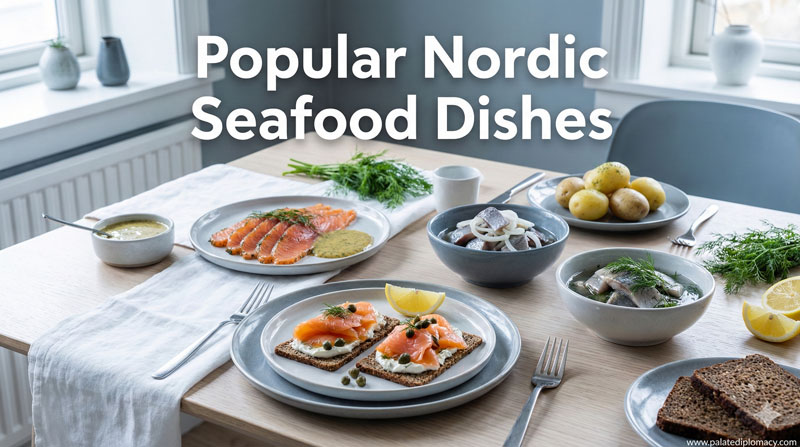
Pickled herring shines at the heart of the Nordic table. It invites conversation and sharing. It is often part of a larger array, where several flavors and textures coexist in harmony. This setting creates a welcoming atmosphere for family and friends. The dish teaches moderation and balance, pairing well with bread, potatoes, sour cream, and crisp vegetables. In this way, the plate becomes a stage for everyday sociability. Clear, simple flavors let people notice the quality of the ingredients and the care in preparation.
Seasonal rhythm and festive moments
Seasonality guides the craft and the appetite for pickled herring. Herring runs through many Nordic markets at various times of the year, shaping what is available and how it is enjoyed. Festive meals highlight herring in joyful, bustling spreads. Christmas tables feature a bright assortment of herring styles, while summer gatherings savor lighter, more briny notes. These moments emphasize hospitality, gratitude for the harvest, and the pleasure of shared feasting. The dish thus anchors both everyday meals and special occasions in a steady rhythm.
A bridge to modern kitchens
Today, cooks at home and in restaurants expand the reach of pickled herring. The dish adapts to contemporary palettes while honoring tradition. Chefs experiment with herbs, spices, and textures, yet keep the core idea intact: preserving a sea harvest for later enjoyment. Home cooks appreciate the simplicity of the method and the freedom to tailor flavors to personal tastes. This balance between tradition and innovation makes pickled herring a living part of Nordic cuisine, not a museum piece.
Cultural value and culinary significance in perspective
Culturally, pickled herring represents resourcefulness and care. It teaches how to honor what the coast provides and how to make it last. The flavors encourage mindfulness, inviting diners to notice salty brightness, sweet acidity, and crisp onion, all in one bite. Culturally, the dish supports social bonds through shared meals and respectful hospitality. It also highlights the Nordic skill of pairing simple ingredients with confident technique. Culinary significance lies in its versatility, its regional character, and its enduring appeal across generations.
Sustainability and connection to the sea
The dish reflects a practical relationship with the sea. Harvest practices, responsible sourcing, and careful processing sustain the coastline’s bounty. The result is a food culture that values flavor and longevity without excess. This thoughtful approach resonates with modern goals for mindful eating and local sourcing. It shows how tradition can coexist with contemporary sustainability.
A note on beauty and everyday pleasure
There is a quiet beauty in pickled herring. Its brightness, texture, and aroma lift ordinary meals into small, memorable moments. It invites appreciation for craft, season, and sharing. In every bite, one tastes the sea’s distance and the land’s generosity. This harmony of forces is at the core of Nordic food culture, and pickled herring offers a direct, delicious invitation to experience it.
Conclusion
In sum, pickled herring is more than a dish. It is a reflection of Nordic life: practical, communal, and tuned to the tides. It blends preservation craft with regional flavors and everyday hospitality. It remains a reliable presence on tables through seasons and celebrations alike. By exploring its taste and tradition, we glimpse a culture that treats simple ingredients with respect and joy.