
The Heart of Nordic Tables
Pickled herring sits at the core of Nordic eating, quietly shaping how people gather, taste, and remember. In homes and markets across the region, a small dish of herring invites conversation as much as it invites taste. The fish links sea harvest to family meals with simple, reliable techniques. It celebrates the season, the pantry, and the skill of the cook. The result is a dish that feels both everyday and special, always ready to spark a shared moment at the table. Its presence signals a respectful approach to food: honest, flavorful, and designed to honor the work of fisher folk and kitchen hands alike.
The Craft of Preservation
Preservation is the first language of pickled herring. A straightforward brine of salt and water, sometimes enhanced with sugar, vinegar, or a touch of spice, preserves the fish while brightening its character. Dill, onion, mustard seeds, and bay leaves appear in many regional riffs, each adding a familiar note. The technique is practical yet artistic: short pickling for a crisp bite, longer soak for a deeper, mellower flavor. Cleanliness and balance matter, because the beauty of the dish lies in the harmony between salt, sourness, and the clean sweetness of the fish. This craft reflects a culture that values technique, patience, and the joy of a well-prepared spread.
Flavor, Texture, and the Language of a Dish
The Taste of pickled herring is unmistakable. It presents a bright tang and a gentle saltiness that wake the palate. The fish remains tender and assertive, offering a slip of oiliness that blends with the crispness of onions. Creamy sauces or mustard-based dressings often accompany it, adding a smooth counterpoint to the firm bite of the herring. The experience is layered, yet approachable: sharp notes that brighten the plate, balanced by mellow, comforting textures. This combination creates a culinary vocabulary that Nordic cooks use to describe freshness, clarity, and a sense of place—sea, season, and craft all in one bite.
Regional Variations Across Nordic Countries
Across the Nordic region, the same core ingredient reveals a tapestry of local preferences. In Sweden, you may encounter herring with a mustard sauce (senapssill) or with delicate onion layers, often enjoyed as part of festive buffets. Norway favors mild sweetness and onion tang, with dill weaving through the profile. Denmark features clear, bright pickling interpretations that pair nicely with rye bread and sandwiches. Finland offers its own clean formats, focusing on balance and the natural flavors of the fish. While each country puts its stamp on the preparation, the underlying idea remains: a preserved fish that carries the sea’s memory and the cook’s careful touch.
Seasonal Rhythm and Market Traditions
Herring has long followed the seasonal rhythms of the Nordic coast. When the catches are plentiful, preservation becomes a practical and celebratory act. Homes and markets showcase bright jars during markets and gatherings, inviting people to take part in a shared seasonal ritual. The dish travels through a year of meals, from simple weekday lunches to special-occasion spreads. This rhythm reinforces a sense of continuity: a dependable, flavorful option that mirrors nature’s cycles and the steady hand of those who prepare it.
Social Significance and Shared Plates
Sharing pickled herring is a gentle social act. It appears on the table at family meals, gatherings, and festive feasts, where everyone contributes their favorite interpretation. The dish often sits alongside bread, potatoes, and a light sauce, inviting conversations about memories of summer days by the harbor or quiet evenings at Home. In many homes, a simple jar becomes a bridge between generations, a way for elders to pass down a method and for younger cooks to learn the subtleties of balance and timing. The experience is about connection as much as taste.
Modern Expressions: Pairings and Presentations
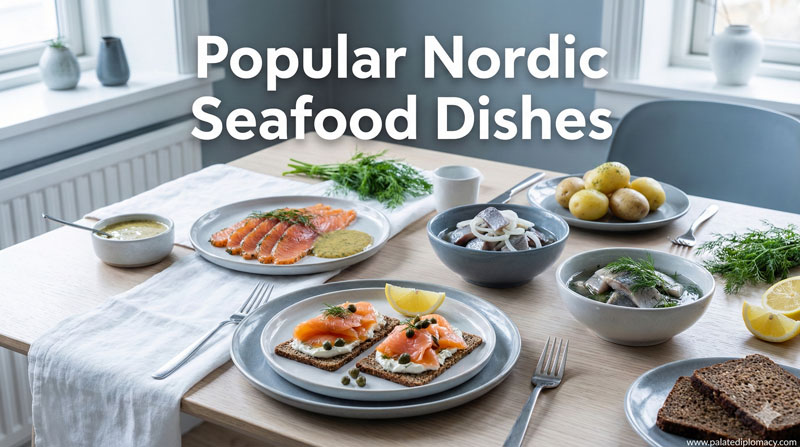
Today, pickled herring appears with fresh energy while honoring tradition. Chefs and home cooks present it on rustic rye bread with crisp onions, dill, and a squeeze of lemon to brighten the plate. Some plates pair the fish with a dollop of yogurt or a light cream sauce for a modern contrast. The presentation emphasizes accessibility: a dish that is easy to serve, easy to share, and easy to appreciate. Yet it remains rooted in the old idea that simple ingredients, treated well, reveal a refined flavor. The result is a dish that feels both timeless and timely, a bridge between past pleasure and present curiosity.
A Gentle Invitation to the Table
If you approach pickled herring with curiosity and care, you will find a dish that embodies Nordic culinary values: clarity, restraint, and a deep respect for ingredients. It invites you to notice the sea’s contribution, the craft of preservation, and the grace of simple, well-balanced flavors. By exploring its regional variations, you learn how geography shapes taste. By tasting its textures, you sense the patience behind the preparation. In every bite, pickled herring offers a small, generous lesson in how food can reflect a culture’s daily life and seasonal celebrations—with warmth, hospitality, and a shared appetite for good, honest food.