
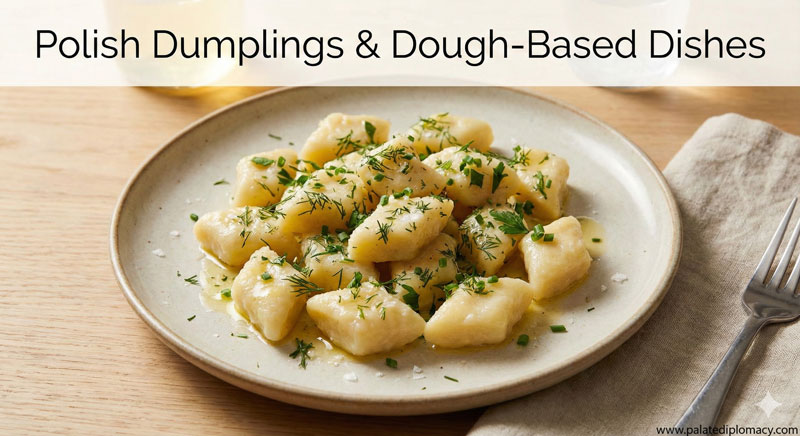
Why Pierogi Is One of Poland’s Most Loved Dishes
Pierogi have a timeless place in Polish life. They greet guests with warmth, they comfort after a long day, and they shine on festive tables. This humble dumpling carries culture in its folds. Each bite suggests patience, craft, and a shared love for good food. In Poland, pierogi are a doorway to everyday life and to the moments that families remember.
The Craft Behind a Classic Pierogi
The magic begins with simple ingredients: flour, water, salt, and sometimes egg. The dough rests, then stretches into a thin, even sheet. Fillings vary, but the technique remains steady. Place a small amount of filling on the dough, fold, and seal the edge with care. A well-made pierogi holds its shape when boiled, and releases its aroma when lightly fried in butter. The sound of simmering water, the steam, and the soft texture all announce a dish that is both practical and elegant. In kitchens across Poland, the same rhythm appears in every home, a quiet reminder that great food can be crafted with basic tools and patient hands.
A Palette of Flavors: Filling Stories
Pierogi offer a broad range of flavors while sticking to a comforting core. Potato and cheese filling, known as Pierogi Ruskie, is creamy and hearty, a favorite that many families teach to their children. Cabbage and mushroom provide a savory, satisfying bite with a touch of earthiness. Meats and blendings of vegetables create richer options for colder evenings. Sweet varieties appear with fruit fillings or sweet cheese, turning pierogi into a gentle dessert at the end of a meal. The fillings tell regional tales and family memories, yet they share a common goal: to deliver comfort through well-balanced, flavorful bites.
Pierogi Through the Seasons
Pierogi travel through the year in Poland, appearing on breakfast tables, picnic baskets, and celebratory dinners. In spring and summer, fruit-filled versions feel bright and fresh, echoing market harvests. In autumn, hearty potato-based pierogi pair with seasonal mushrooms. In winter, thicker doughs and richer fillings provide warmth. The dish adapts to the moment, while honoring its traditional roots. This fluid presence makes pierogi a reliable, inviting choice at any gathering.
Craftsmanship at Home and in the Kitchen
Craftsmanship shines in every step. Rolling the dough to a precise thinness, crimping the edges evenly, and timing the boil just right—all require focus and care. Families often keep a few signature touches, and pass them along with quiet pride. The pierogi press, a simple tool, helps keep shapes uniform, yet it is the hands that lend character to each crescent. The ritual of making pierogi becomes a shared activity, weaving patience, collaboration, and joy into daily life.
Sharing at the Table: Social Traditions and Craft
Pierogi are more than food; they are a centerpiece for connection. A kitchen filled with laughter, flour dust, and the soft clatter of utensils creates a welcoming atmosphere. Guests are invited to taste, comment, and learn. The act of serving pierogi—warming plates, ladling sauce, placing a few dumplings in a steaming bowl—turns a meal into a moment of togetherness. In this way, pierogi help define the generous spirit of hospitality that many Polish Families value.
Regional Varieties and Modern Twists
Poland’s regions offer subtle differences in dough thickness, shape, and preferred fillings. Some areas favor a softer, silkier dough; others Like a firmer bite. Pierogi shapes vary too, from crescent to rounded, with decorative edges that hint at local artistry. Modern cooks introduce fresh twists—new fillings, lighter doughs, or bolder seasonings—while preserving the essential idea: a handmade dumpling that honors craft, flavor, and memory. These adaptations keep the tradition alive and inviting for new generations.
Conclusion: A Dish that Feels Like Home
Pierogi embody a generous sense of belonging. They connect hands in the kitchen, tables in living rooms, and stories across generations. The dish’s cultural value lies in its simplicity, its versatility, and its capacity to bring people together around a shared plate. When you bite into a pierogi, you taste a piece of Poland’s warmth, care, and culinary pride. This is why pierogi remain one of Poland’s most loved dishes: a humble, enduring symbol of family, flavor, and hospitality.