
How Plant-Based Smørrebrød Reflects Nordic Food Culture
Open-faced smørrebrød sits at the Heart of Nordic dining, and when it is topped with plant-based ingredients, it becomes a clear reflection of current culinary values. This dish shows how tradition and contemporary choices weave together on the same plate. It invites us to notice texture, color, and balance as part of everyday meals.
The tradition behind smørrebrødet
Smørrebrød is built on a few simple ideas. A slice of sturdy dark rye forms the base. A thin spread adds moisture and shine. Then, toppings arrive in a careful order, one layer at a time. The result is a single, open-faced bite that tastes of the ingredient beneath it. Plant-based versions honor this method. They keep the emphasis on quality, simplicity, and a clean mind for taste. The approach feels calm, exact, and respectful of craft.
Seasonality fuels the toppings
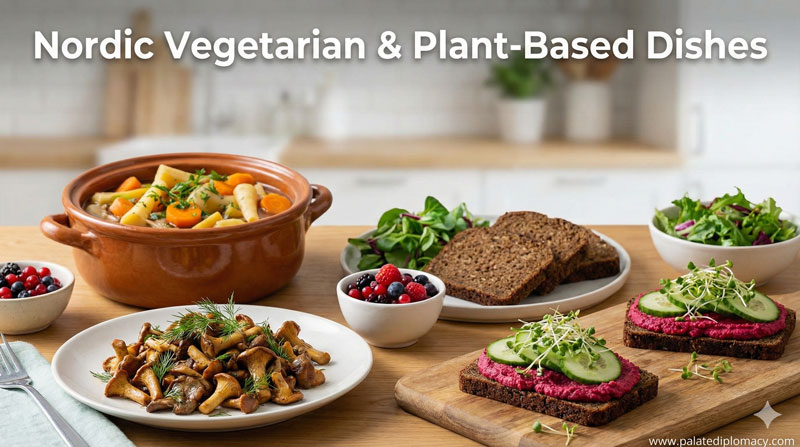
Nordic cooking thrives on the rhythm of the seasons. In a plant-based smørrebrød, seasonal vegetables lead the way. Crisp cucumber, sweet beets, and tender mushrooms offer color and texture. Fresh herbs brighten the palate, while seeds and nuts add crunch. A creamy plant-based spread can carry aromatics such as dill or horseradish. This seasonal logic keeps the dish lively year-round and rooted in the local markets. The result is a plate that speaks of place, weather, and harvest.
Craft and technique matter
The beauty of plant-based smørrebrød lies in technique as much as ingredients. Toast the rye just enough to wake the flavor. Apply a light, even layer of spread to preserve the bread’s bite. Build with a careful eye for balance: a soft element against a crisp element, a bright note against a mild one. A small touch of acidity or pickled tang can lift the entire bite. This careful assembly mirrors the Nordic respect for skill, patience, and attention to detail.
Visual appeal, texture, and balance
Nordic cuisine often celebrates contrast. A well-made plant-based smørrebrød pairs velvety spreads with crunchy toppings, and a pop of color with greens or beets. The plate itself can be a quiet canvas, allowing the layers to shine. Clean lines and neat placement invite guests to slow down and savor. The result is not merely food; it is a moment of craft and care expressed in color, texture, and aroma.
Social rhythm and shared plates
Food in Nordic culture is commonly enjoyed with others. Smørrebrød lends itself to conversation and collective tasting. Lined up on a shared board, each slice offers a small story of technique and taste. Friends and family can exchange ideas about toppings, textures, and preferred bites. In this way, plant-based smørrebrød becomes a social ritual as well as a meal.
Modern values: sustainability and inclusivity
A plant-based approach aligns with contemporary Nordic values of mindful eating and responsibility to the land. The dish highlights vegetables, legumes, and grains that can be produced close to home. It invites everyone to find a personal version—gluten-free breads, dairy-free spreads, or protein-rich toppings—without losing the essence of the tradition. This inclusivity strengthens the sense that Nordic Food Culture is welcoming and evolving.
Pairings and occasions
Enjoy plant-based smørrebrød at lunch, a casual dinner, or a festive gathering. It pairs well with a crisp cold beverage or a light sparkling drink. Fresh herbs and lemon zest brighten the experience, while a simple vegetable garnish adds a final touch of elegance. The dish fits both everyday meals and celebrations, always with a sense of calm refinement.
Conclusion: a living tradition
Plant-based smørrebrød is more than a meal. It is a quiet conversation between tradition and modern choices. It honors rye as a sturdy, comforting base and celebrates the beauty of seasonal produce. It invites care in preparation, balance in flavor, and joy in sharing. In this way, the dish reflects Nordic food culture as a living, evolving expression of taste, craft, and community.