
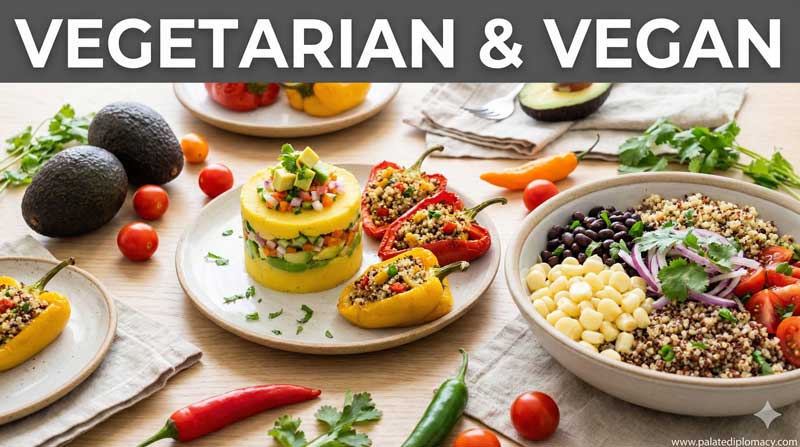
Discovering the Rich Heritage of Plant-Based Tacu Tacu
In the vibrant world of Latin American cuisine, few dishes embody such a rich blend of history, flavor, and cultural pride as tacu tacu. Traditionally crafted with a mix of rice and beans, tacu tacu stands as a testament to culinary ingenuity, transforming humble ingredients into a beloved staple. Today, the plant-based version of this classic dish retains its charm and significance, offering a delicious, nutritious, and ethical alternative that celebrates its cultural roots.
The Cultural Significance of Tacu Tacu
Tacu tacu holds a special place in the culinary traditions of Peruvian cuisine. It has long been celebrated as a dish that showcases resourcefulness and the ability to turn everyday leftovers into something extraordinary. Over generations, tacu tacu has evolved from a simple, practical meal into an iconic representation of local flavor and ingenuity.
This dish embodies community and shared history. It is often prepared in homes and restaurants, serving as a symbol of comfort and familiarity. Its versatility allows it to adapt to different tastes and dietary preferences, making it accessible to a broad audience. As a plant-based recipe, tacu tacu continues to honor these values, emphasizing plant ingredients and sustainable eating.
Culinary Significance and Flavor Profile
Tacu tacu’s culinary significance lies in its harmonious combination of textures and flavors. The dish typically features a crispy exterior with a tender, flavorful interior. Its taste profile combines the earthy richness of beans with the mild sweetness of rice, enhanced by subtle seasonings and aromatics. When made plant-based, chefs often incorporate fresh vegetables, herbs, and spices, elevating the dish’s natural flavors while maintaining its comforting essence.
The beauty of tacu tacu is in its adaptability. It can be served on its own as a hearty main course or complemented with fresh salads and sauces. Its simplicity allows the ingredients’ natural qualities to shine, making each bite a celebration of flavor.
A Dish Celebrating Sustainability and Plant-Based Living
As more people seek sustainable and ethical eating options, plant-based tacu tacu offers a delicious solution rooted in tradition. It champions the use of whole, plant-based ingredients, reducing reliance on processed foods. This aligns with broader efforts to promote environmentally friendly diets while honoring culinary heritage.
The dish’s flexibility makes it suitable for a variety of dietary choices, including vegetarians and vegans. It encourages a mindful approach to eating, emphasizing flavor, sustainability, and cultural appreciation. Tacu tacu’s enduring popularity highlights its importance as a culinary treasure that bridges tradition with contemporary values.
Embracing the Flavor and Heritage
In exploring plant-based tacu tacu, we embrace more than just a dish—we celebrate a culinary tradition that has stood the test of time. Its cultural value, combined with its culinary significance, makes it a meaningful addition to any menu. Whether enjoyed in a cozy home setting or at a bustling restaurant, tacu tacu invites us to appreciate the artistry of simple ingredients transformed into something extraordinary.
For food enthusiasts and cultural explorers alike, plant-based tacu tacu offers a delicious journey into the heart of Latin American cuisine. It is a testament to the richness of tradition, the beauty of plant-based living, and the universal language of good food.
Conclusion
Plant-based tacu tacu is more than just a dish; it is a celebration of culinary ingenuity and cultural heritage. Its adaptability, flavor, and significance make it a compelling choice for those seeking wholesome, meaningful, and environmentally conscious cuisine. By exploring this dish, we honor a tradition that continues to inspire and delight, serving as a perfect example of how humble ingredients can create something truly extraordinary.