
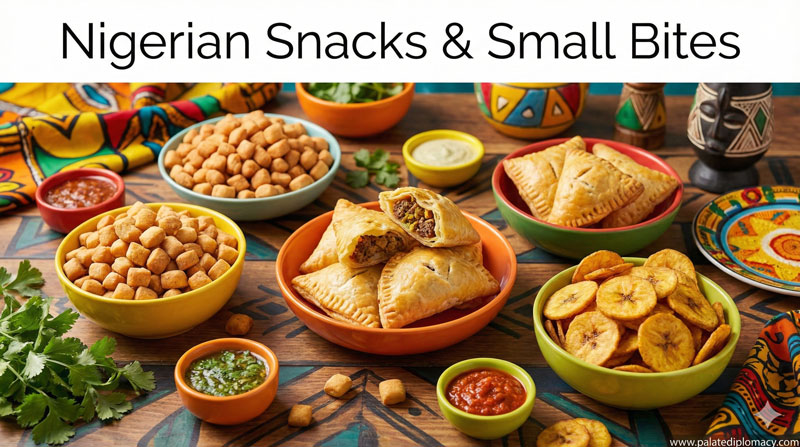
A Warm Welcome to Plantain Chips
Plantain chips are more than a snack. They are a small celebration of everyday life, shared across bowls, markets, and family tables. In many kitchens, a plate of golden, crisp chips signals hospitality and care. Their bright aroma and satisfying crunch invite conversation and complicity in a single bite. This post explores the cultural value and culinary significance of plantain chips, highlighting how a simple fry transforms ripe fruit into a beloved food moment. You’ll see how these chips travel between meals and moods, always offering comfort, texture, and bright flavor.
The Core Ingredient: Plantains and Their Roles
Plantains sit at a unique crossroads in the fruit family. They are a sturdy relative of the sweet banana, with a thicker skin and a starchier heart. When green, they yield a crisp, savory bite; when ripe, they offer gentle sweetness that can sing with a touch of salt or spice. For chips, the green-to-semi-ripe spectrum often defines the texture and mood. Use firm plantains for crisp, snack-ready chips, and allow ripe ones to lend a hint of sweetness if you prefer a nuanced flavor profile. The plantain itself carries cultural memory: it travels well, stores with ease, and adapts to many cooking styles, from frying to baking to tossing with spices. In chip form, the plantain becomes a portable plate of cultural texture—thin, light, and deeply satisfying.
The Craft of Slicing: Texture and Technique
Texture begins with precision. Uniform thin slices ensure even heat and a uniform crunch. A mandoline or a sharp knife works well, but the goal is consistent 1 to 2 millimeters thickness. After slicing, pat the pieces dry to remove surface moisture; this step helps them crisp rather than steam in the oil. If you like, you can let the slices rest a few minutes to air out any extra moisture. When the slices hit hot oil, they should hiss gently, not spit, and turn a delicate golden hue. Properly sliced and dried, the chips become light and crisp, with a satisfyingly clean break and a pure plantain aroma that carries through the bite.
Regional Variations: Chifles, Chips, and More
Across tropical regions, plantain chips arrive with regional names and flavor signatures. In parts of the Andean and Caribbean-influenced culinary circles, thin slices fried to crispness are known as chifles. They appear on market stalls and home platters, often seasoned simply with salt or with a spark of lime. In other locales, the same idea travels under the broad banner of plantain chips, wrapped in local spice blends. You may encounter chips dusted with paprika, chili, cumin, or garlic powder, then finished with a light squeeze of citrus. Sweet-scented variations exist, too, where a touch of cinnamon or sugar brightens the profile. The shared thread is clear: plantain chips are a convenient, adaptable vehicle for regional flavors, a canvas that showcases the pantry and the cook’s imagination. This adaptability strengthens their cultural value, as each community makes the chips feel familiar, welcoming, and right for its usual pairings and rituals.
The Sizzle: Frying Methods and Flavor
Frying is where plantain chips come alive. Deep frying at about 175–190°C (350–375°F) yields a crisp exterior and tender, starchy interior. The key is hot oil and quick frying—roughly 2 to 3 minutes per batch, depending on thickness and desired crispness. If you prefer a lighter touch, air-frying can work, but it creates a different texture. In both methods, drain the chips on paper towels then season while they’re hot. Salt adheres best when the surface is warm enough to hold a light film on contact. Beyond salt, spices, citrus, or a dusting of sugar for ripe-plantain chips can be used to tailor the flavor to a region or a plate. The result is a crisp, aromatic chip that carries the plantain’s character in a breath of oil and spice.
Flavor Journeys: Seasonings, Dips, and Pairings
Seasonings shape the character of plantain chips. A classic approach keeps things simple: salt and perhaps a pinch of lime zest to brighten the fruit’s natural profile. More adventurous palates reach for chili powder, smoked paprika, garlic, or cumin to add warmth and depth. Sweet variants may pair with a hint of cinnamon or sugar and a touch of vanilla for a dessertlike chip. Pairing is equally expressive: chips with a fresh mango salsa, avocado crema, or a light yogurt dip echo the tropical notes and soften the crunch. They also pair beautifully with beverages—tea, refreshing citrus drinks, or a light beer—making them versatile for everyday snacking or lively gatherings. In every case, the flavor journey signals care, creativity, and connection to local ingredients and tastes.
Serving Moments: Hospitality and Everyday Snacking
Plantain chips shine in moments of hospitality and everyday joy. They welcome guests with a bright, crisp bite and a friendly aroma. They appear at market stalls, family picnics, and casual gatherings, where they invite conversation and sharing. A small bowl of chips can accompany a larger spread, offering a crunchy counterpoint to creamy dips and cool beverages. They also support a celebratory mood without fuss: a quick snack before a meal, a light bite during a festive afternoon, or a crisp accompaniment to a savory dish. In their presence, meals feel more communal, and small moments become memorable through texture, aroma, and the simple pleasure of a well-made chip.
Choosing Plantains and Storing Them
When selecting plantains, look for firm fruit with unblemished skin. Green plantains provide The Best structure for crisp chips, while slightly ripened ones offer a more nuanced sweetness. Store uncut plantains in a cool, dry place until they’re ready for slicing. Once cut, chips can be fried or baked; if you plan ahead, you can air-dry the slices briefly to reduce moisture and improve crispness. After frying, store cooled chips in airtight containers away from heat and humidity to maintain their crunch. By choosing the right plantains and handling them with care, you honor the dish’s cultural value and ensure consistent texture and flavor.
Quick Tips for Perfect Plantain Chips
- Choose green or just-touched plantains for crisp chips.
- Slice uniformly, about 1–2 millimeters thick.
- Pat dry to remove surface moisture before frying.
- Fry in hot oil (around 175–190°C / 350–375°F) until crisp and golden.
- Drain on paper towels; season while warm.
- Experiment with salt, citrus, and spices to match regional flavors.
- Keep chips in an airtight container to preserve crunch.
- Pair with dips and fresh accompaniments to enhance the experience.
Plantain chips carry a rich cultural value and culinary significance that comes from their adaptability, shared appeal, and the joy they bring to everyday eating. They invite cooks to honor local flavors while offering a familiar, comforting crunch. Whether you encounter them on a market shelf, at a family table, or as a quick snack, plantain chips remind us that simple ingredients, treated with care, can become a beloved part of a culture’s food story. Enjoy exploring their textures, flavors, and the many ways they can sit at the heart of good meals and good moments.