
Introduction
Everything You Need to Know About Plantain Chips invites you into a vibrant world of texture, aroma, and shared food joy. This dish is simple in form and rich in presence. A plate of plantain chips can brighten a casual snack, a family gathering, or a market table. They reveal how a humble fruit can become a beloved staple, a craft shared across kitchens, and a small work of culture you can savor bite by bite.
What Are Plantain Chips?
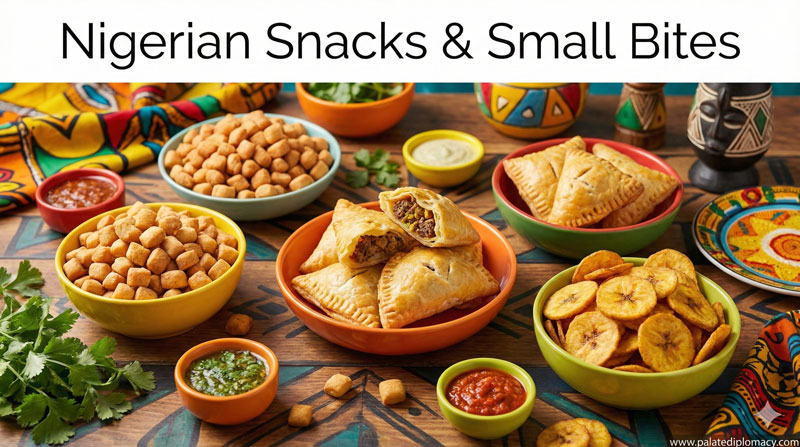
Plantain chips are thin slices of plantains that are fried until crisp. The fruit’s level of ripeness changes the character of the chip. Green, unripe plantains yield a sturdier, more starchy chip. Riper plantains bring a touch of sweetness and a softer chew. The basic technique is simple: slice evenly, fry in hot oil, and drain. The result is a golden, crisp bite with a clean finish. Beyond salt, chips can carry spices, lime zest, or mild sweetness, depending on taste and tradition.
Cultural Value
Plantain chips carry everyday charm and social warmth. They appear in quick street meals, family picnics, and cheerful gatherings. Vendors often offer them as a quick, tasty treat that travels well and can be shared with friends and neighbors. The ritual of preparing chips at home—peel, slice, fry, and season—creates a small, comforting routine that many households treasure. In markets and kitchens, these chips symbolize hospitality: a simple plate that invites conversation, sharing, and a moment of pause to enjoy a crisp bite. They connect people through shared flavors, familiar aromas, and a universal love of a snack that feels both familiar and special.
Culinary Significance
Texture is central to the appeal of plantain chips. The ideal chip is crisp, light, and not greasy. Achieving that balance depends on several choices: how thin the slices are, the temperature of the oil, and the time spent in the pan. Salt is common, but many cooks layer in seasonings to create a signature profile. Some popular options include paprika, chili powder, garlic powder, or a touch of sugar to echo the fruit’s natural sweetness. In this way, plantain chips become a canvas for flavor, from simple and savory to bright and spiced. The dish also showcases technique: uniform slicing prevents uneven cooking, and careful draining preserves crunch. Finally, the chip’s versatility shines, as it can accompany stews, beans, or dips, or stand proudly on its own as a snack.
Regional Variations
Across regions, plantain chips take on distinct personalities. In some Latin American and Caribbean areas, a pinch of lime or a hint of cumin brightens the bite. In various African kitchens, peppery blends and more robust spices offer a bolder finish. In coastal communities, sea salt and a touch of coconut notes can appear in lighter versions. Regardless of style, the chips reflect local tastes, ingredients, and cooking rhythms. Each variation tells a small story about how communities value texture, aroma, and the simple joy of a well-made snack.
How to Enjoy and Pair
Plantain chips pair beautifully with a wide range of foods and dips. They contrast nicely with smooth avocado, a bright tomato salsa, or a tangy bean dip. They also hold up well beside hearty stews, rice dishes, or grilled vegetables. For beverage pairings, a crisp, refreshing drink often makes a nice counterpoint to the chip’s warm crunch. In addition, chips can be layered into meals as a crunchy topping, adding texture to bowls or salads. The key is to listen to the chip’s own character—the sweetness of a ripe variant or the sturdiness of a green one—and choose companions that balance or amplify those notes.
Serving Ideas
- Serve plain with a bright salsa or creamy dip.
- Combine with guacamole for a creamy contrast.
- Use as a crunchy base for a simple, colorful plate with beans and sautéed greens.
- Offer a small tray of flavored chips as a tasting alongside regional sauces to highlight local flair.
- Create a seasonal version by adding a light chili-lime dust or a hint of citrus zest.
At-Home Tips
- Choose thin, even slices for uniform crispness. A mandoline helps, but careful hand-slicing works well too.
- For frying, heat oil to about 350-375°F (175-190°C). Fry in small batches to prevent crowding.
- Fry chips for 2-3 minutes per batch, until they are golden and crisp. Drain on a rack or paper towels and salt while warm.
- If you prefer a lighter method, bake at 425°F (220°C) for 12-15 minutes. Flip halfway for even browning, and season after baking.
- To vary flavor at home, try a light sprinkle of smoked paprika, garlic powder, or a squeeze of lime after frying.
- Store cooled chips in an airtight container away from moisture to keep their crunch longer.
The Beauty of the Dish
Plantain chips embody the beauty of everyday cooking: few ingredients, careful technique, and a big payoff in flavor and texture. They honor a practical skill set—slicing, frying, seasoning—while inviting experimentation with regional spices and sweet-salty balances. This dish celebrates how food travels beyond its origin, becoming a familiar favorite in many kitchens. In every bite, you taste a shared love for crisp, comforting snacks and a quiet moment of culinary delight.
Conclusion
Plantain chips are more than a snack; they are a small culinary celebration. They highlight how plantains can transform into a versatile, culturally rich dish that brings people together. By exploring the different textures, seasonings, and serving ideas, you gain a deeper appreciation for their role in everyday meals and festive occasions alike. Enjoy the crunch, the aroma, and the simple joy of plantain chips as a delicious bridge between home cooking and global flavors.