
Everything You Need to Know About Polish Babka Cake
Polish babka cake welcomes you with a gentle rise and a fragrant swirl. This loaf sits at the heart of Polish kitchens. It is more than a sweet treat; it is a quiet ceremony of home life. Each slice carries warmth, memory, and a sense of welcome. In this post, we explore its cultural value and culinary significance with care and clarity.
What Makes Babka Unique in Polish Baking
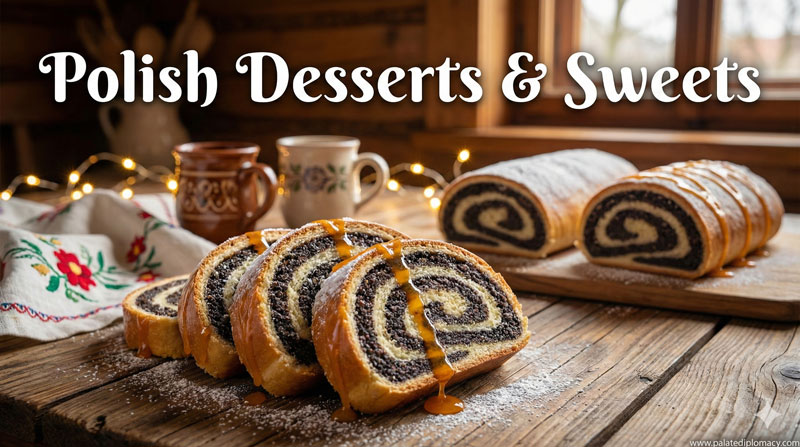
Polish babka is a yeasted cake. The dough is soft and tender, enriched with butter and eggs. A cinnamon-sugar swirl, jam, or chocolate line the center, creating a fragrant ribbon of sweetness. When baked, the loaf reveals a delicate crumb and a glossy crust. The result is comforting yet refined, a treat that feels both everyday and special.
The Dough, The Filling, The Moment
Baking babka begins with a rich, yeasted dough. Warm milk, butter, eggs, and a touch of sugar come together with flour. The filling adds character: cinnamon and sugar, or chocolate, or a fruit preserve. The moment of shaping, and the gentle rise, fills the kitchen with aroma and anticipation. This sequence makes the cake a small celebration of patience and craft.
Home Traditions: Making Babka a Family Moment
Many Polish Families welcome babka into weekend rituals. Children help roll the dough, adults check the dough’s softness, and everyone waits for the gentle rise. The aroma ties the day together, inviting conversation and smiles. This shared craft becomes more than dessert; it becomes memory in the making.
Regional Twists: Flavors That Tell a Place
While the core remains the same, regional bakers add raisins, zest, almonds, or poppy seeds. Some homes prefer a marble swirl with chocolate and vanilla. Others enjoy a bright fruit layer or a nutty crunch. Each variation echoes a Local pantry and a family favorite, making babka a canvas of regional taste.
Occasions to Bake: From Sunday Mornings to Festive Tables
Babka brightens Sunday brunch, Easter morning, and winter gatherings. It travels easily from kitchen to table, inviting guests to share a slice. Its sweetness is balanced by a simple glaze, a dusting of powdered sugar, or a fresh cup of coffee. In every setting, babka marks a moment of togetherness.
Serving and Preserving: How to Enjoy Babka
Serve babka warm for the softest crumb, or at room temperature for a cleaner slice. Pair it with coffee, tea, or a glass of milk. Store in a cool, dry place to keep the texture at its best. If you make more than you can eat, freeze portions for later enjoyment. Each bite preserves a little of Polish culinary warmth.
A Gentle Celebration of Craft and Culture
Babka is more than a recipe; it is a testament to patience, skill, and love for family. Each loaf links today with yesterday through taste and texture. The beauty of Polish babka lies in its quiet ability to bring people together, to slow time just enough for conversation and connection. In this way, the cake remains a beloved thread in the fabric of food culture.