
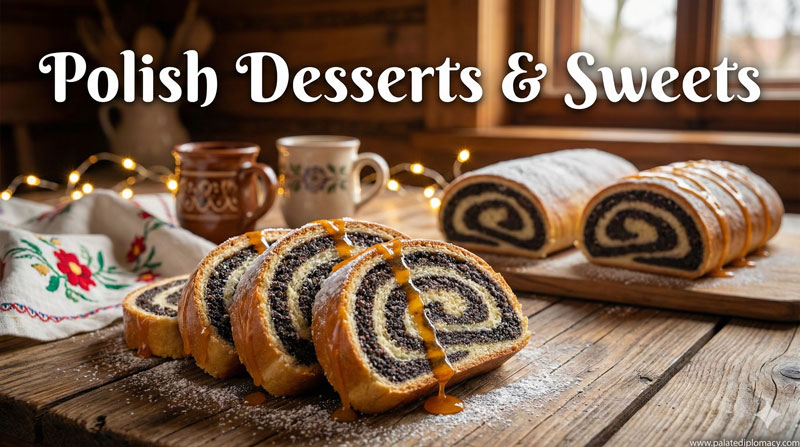
What is Polish Babka Cake?
Polish babka cake is a tender, enriched loaf, braided and filled with surprises. In its simplest form, it blends eggs, butter, and sugar into a soft dough. Then bakers swirl in flavors like vanilla, chocolate, or fruit jam. The result is a loaf that looks elegant and feels comforting. The name babka itself evokes warmth, as it means grandmother in Polish. This connection to family kitchens gives the cake its gentle, inviting presence.
A Window into Polish Baking Traditions
Babka appears in many Polish homes as a symbol of hospitality and care. Families pass down the recipe through generations, each baker adding a small signature touch. The loaf often shares a table during festive occasions and quiet Sunday mornings. Its braided shape signals a sense of renewal and togetherness. In shops and bakeries, babka showcases local skill and the craft of dough handling. The cake holds a quiet pride in Polish baking, announcing that simple ingredients can become something memorable through patience and practice.
Ingredients and Techniques That Shape the Cake
A classic babka starts with a rich dough: flour, eggs, butter, sugar, and milk. Yeast helps the dough rise softly, creating a light crumb. A touch of vanilla or citrus zest brightens the flavor, while the filling adds color and depth. Popular fillings include chocolate, lemon poppy seed, apricot, or plum jam. Bakers spread the filling over a rolled sheet of dough, then roll it tightly to trap the flavors inside. Finally, the dough is braided or shaped in a loaf pan to reveal a beautiful swirl when it bakes. The careful rolling and braiding are not only technical steps; they are a form of edible artistry that invites admiration and sharing.
Regional Variations and Modern Twists
Across Poland, you’ll find small twists that reflect local tastes. Some bakers use a cinnamon-sugar swirl for warming notes. Others fold in citrus zest, raisins, or ground nuts for texture. Poppy seeds, a traditional favorite, add a nutty, earthy counterpoint to sweet fillings. In bakeries, you might encounter versions with a chocolate ribbon that winds through the dough like a soft maze. While the core idea remains the same, these variations celebrate local flavors and the imagination of the baker. Each version preserves the sense of care that makes babka feel like a familiar, welcoming piece of home.
The Role of Babka in Celebrations and Daily Life
Babka fits seamlessly into both grand celebrations and everyday rituals. It crowns festive tables during holidays and sweetens weekend mornings at Home. The cake’s beauty lies in its ability to feel special while remaining approachable. Families often enjoy a slice with coffee or tea, welcoming visitors with a shared moment of taste and aroma. The loaf’s presence on the table invites conversation about memory, tradition, and craft. In this sense, babka acts as a quiet ambassador of Polish culinary generosity and patience.
How to Bake a Babka at Home
- Start with a smooth, well-kneaded dough. Let it rise slowly for a soft, airy crumb.
- Prepare a flavorful filling and keep it at hand to spread evenly.
- Roll the dough into a rectangle, then layer the filling and roll tightly.
- Shape the roll into a loaf or braid the dough for a striking pattern.
- Let the loaf rise again briefly, then bake until the crust is golden and the aroma fills the room.
- Cool slightly, then glaze or dust with powdered sugar if you like.
Home bakers often enjoy experimenting with fillings, always honoring the balance between sweetness and the dough’s delicate texture. The process rewards patience, order, and a gentle touch. With practice, the technique becomes a familiar ritual that deepens appreciation for Polish baking.
Serving Suggestions and Presentations
Serve babka in thick slices to showcase the swirl. A simple dusting of powdered sugar or a light glaze highlights its glossy crust. Pair it with coffee, black tea, or a dollop of vanilla yogurt for contrast. A wooden cutting board and a neat knife elevate the presentation, turning dessert time into a small ceremony of sharing. Fresh babka tastes best on the day it’s baked but can stay soft for a day or two if kept in a clean, airy container. The aroma alone often invites conversation and a moment to pause and enjoy.
Preserving Freshness and Quality
If you need to keep babka longer, wrap it well and refrigerate for up to a few days. Reheat gently in a low oven to refresh the crust and crumb. Freezing is another option for longer storage; wrap tightly to prevent freezer burn and thaw slowly. Proper handling preserves flavor, texture, and the cake’s gentle charm. When stored well, babka remains a comforting treat that can be shared at a later time with the same sense of welcome it always carries.
A Thoughtful Look at the Craft
Polish babka cake embodies more than taste. It reflects careful preparation, generous hospitality, and a respect for tradition. The cake’s beauty lies in its balance: a soft, airy interior, a glossy crust, and a vibrant swirl that invites the eye to linger. The ritual of making, shaping, and sharing a babka becomes a small celebration of everyday life. In this way, the cake stands as a quiet, enduring marker of Polish culinary artistry and the joy of gathering around food.
Final Thoughts
Everything You Need to Know About Polish Babka Cake reveals a dish that is as much about people as it is about pastry. Its rich dough, flavorful fillings, and graceful presentation make it a beloved staple in Polish kitchens. The cake invites curiosity, encourages careful technique, and rewards generous sharing. Whether enjoyed at a family table, a festive gathering, or a simple afternoon break, babka offers a warm reminder of hospitality, craft, and the timeless charm of Polish baking.