
Everything You Need to Know About Polish Babka Cake
Polish babka cake is more than a dessert. It is a small treasure in many Polish kitchens, a sweet that carries memories of home, family, and shared and slow-baked moments. This post invites you to savor its cultural value and culinary charm. You will discover how a humble loaf can become a centerpiece of gathering and tradition.
What is babka, and why does it matter?
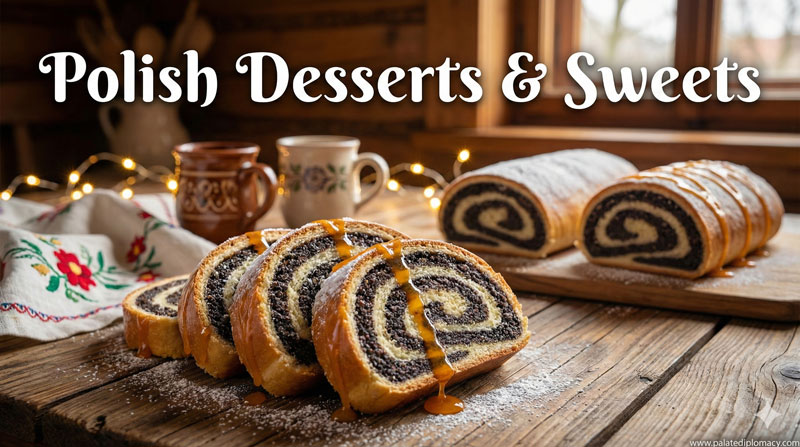
Babka is a light, enriched loaf cake. It uses butter, eggs, and milk to create a tender crumb. The most beloved versions swirl a sweet filling through the dough, often cinnamon sugar or chocolate, so every slice reveals a ribbon of flavor. In Poland, babka represents more than taste. It signals care, craft, and a pause in daily life to enjoy something made by hand. The name itself hints at warmth: in Polish, babka means grandmother, a nod to family kitchens where recipes are passed down and refined with love.
An emblem of Polish home cooking
In Polish homes, babka stands as a warm welcome in the kitchen. It sits on the table during festive moments and Sunday gatherings, inviting conversation and shared delight. Bakers of all levels—from hobbyists to professionals—value its forgiving yet expressive nature. A well-made babka shows patience and skill, but it also rewards simple, quality ingredients. The cake’s presence on a family table is a gentle reminder of continuity, care, and the comfort of a familiar recipe lovingly prepared.
The dough and flavor profile
The classic babka begins with an enriched dough. Milk, eggs, generous butter, and a touch of sugar build a soft, silky base. The dough rises slowly, gaining lightness and structure. Then comes the signature swirl: a cinnamon-sugar mix, or a chocolate filling, sometimes vanilla for a lighter touch. The swirl creates ribbons of flavor and a marbled appearance that delights the eyes as much as the palate. Baking in a loaf pan gives the cake its tall, rectangular form, making it easy to slice evenly for sharing.
Fillings and variations worth exploring
While cinnamon and chocolate are the stars, babka welcomes variety. A vanilla-scented version offers a gentle, airy taste, while fruit jams or zest add brightness. Some bakers fold in nuts for extra texture. The beauty of babka lies in balance: the filling should be generous but not overpowering, allowing the dough’s tenderness to shine. The result is a cake that stays moist and fragrant, with a crumb that invites gentle bites and lingering flavors.
Techniques that honor tradition (and joy)
Baking babka is a practical art. The dough is kneaded until smooth, allowed to rise, and gently rolled to trap air. The filling is spread evenly, then the dough is rolled and twisted to form a loaf with distinct, visible layers. Some kitchens create a two-tone effect by alternating light and dark fillings. The process rewards calm, attentive hands and a patient rhythm. The result is a cake with a delicate crumb, a glossy crust, and a comforting aroma that fills the room.
Serving and savoring moments
Babka shines when served in thin, even slices. It pairs beautifully with coffee, tea, or a glass of milk, and its fragrance invites conversation. A light dusting of powdered sugar adds a final touch of charm. In many homes, babka is best enjoyed slightly warm, so the butter glistens and the flavors feel bright. Its serving ritual—slicing, sharing, and savoring—embodies the social joy of food.
The craft in local bakeries and home kitchens
In Poland, you will find babka in many settings: cozy home kitchens, neighborhood bakeries, and small pastry shops. Home bakers bring personal touch and memory to each loaf, while local bakeries often perfect a signature version, offering a refined crumb and a careful glaze. This blend of handmade care and professional technique keeps the tradition alive while inviting new bakers to explore. The cake’s presence in shops signals its enduring appeal as a comforting, everyday luxury.
Preserving the gentle art of babka
Babka teaches patience and care. It encourages families to spend time together in the kitchen, to measure, mix, wait for dough to rise, and celebrate the moment a warm loaf emerges. Sharing babka creates quiet rituals: a family breakfast, a weekend treat, or a simple gesture of hospitality for guests. To keep the tradition vibrant, many bakers adapt recipes with seasonal ingredients, encouraging fresh ideas while honoring the classic base.
A gentle invitation to explore
If you are curious about Polish culinary culture, babka offers a welcoming entry point. It blends simple ingredients with thoughtful technique and generous heart. The cake celebrates home life, craft, and a taste for sweetness that gathers people around the table. Try a swirl of cinnamon or a ribbon of chocolate, and discover how a single loaf can echo the warmth of a Polish kitchen.
Final note
Polish babka cake stands as a graceful, beloved part of food culture. Its rich dough, careful technique, and comforting flavors invite you to slow down and enjoy the moment. Whether you bake it at Home or seek it in a local bakery, babka offers a tasty thread that stitches together family, tradition, and the joy of shared dessert. May your first slice be as welcoming as a grandmother’s smile, and may the next slices bring new memories to your table.