
What is Polish Babka Cake?
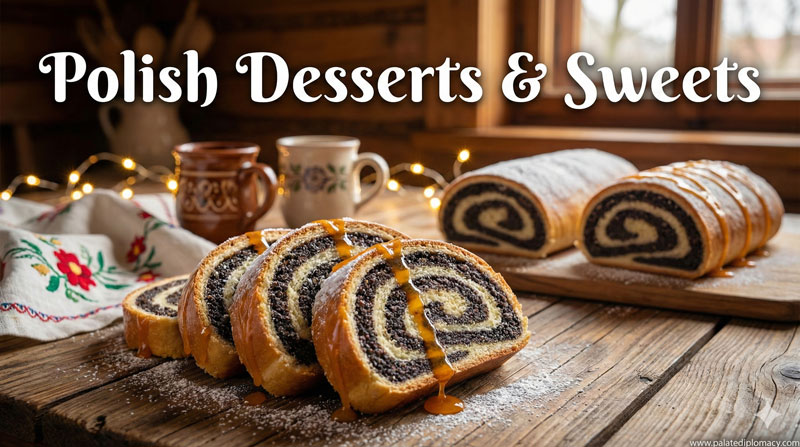
Polish babka cake is a sweet, tender loaf made from enriched yeast dough. It is rolled with a ribbon of filling and baked to a glossy, golden crust. The result is a light crumb with a fragrant swirl that reveals itself slice by slice. in Polish homes, babka sits on the table during breakfasts, brunches, and festive gatherings. It blends gentle sweetness with a comforting texture that invites slow savoring. This guide invites you to explore its beauty, purpose, and place in food culture.
The Cultural Value of Babka
Babka is more than a dessert; it is a quiet ambassador of care. Families prepare it with patience, passing the recipe from hand to hand. The act of shaping the dough and guiding the swirl becomes a shared ritual. In everyday life, a slice of babka accompanies coffee or tea, signaling calm and hospitality. In holidays and special occasions, babka takes on a celebratory role, marking moments of togetherness. The cake’s warmth embodies the spirit of Polish hospitality and craft.
The Craft Behind the Swirl
The magic of babka lies in technique as much as flavor. A soft, enriched dough is quietly kneaded, rested, and pressed into a pan. A fragrant filling—often a chocolate ribbon or a cinnamon-sugar mix—is spread along a rolled sheet of dough. The dough is rolled, cut if needed, and tucked into its pan to rise. With careful patience, the layers bake into a light, airy crumb. The result is a cake that feels handmade, with each swirl telling a small story of skilled hands.
Flavors and Fillings
Chocolate is a Beloved Classic, creating a dramatic, dark ribbon through the pale crumb. Cinnamon and vanilla bring warmth and a gentle sweetness that lingers on the palate. Some recipes add lemon zest, almonds, or raisins for brightness and texture. The fillings balance sweetness with a touch of richness, producing a harmonious bite. Each family may have a signature twist, making babka a living canvas of local taste and personal memory.
Serving Moments and Traditions
Babka shines most when shared. It pairs beautifully with a cup of coffee, a pot of tea, or a glass of milk. Slices can be enjoyed at room temperature or lightly warmed to enhance aroma. A light dusting of powdered sugar or a simple glaze adds a finishing glow without overpowering the cake’s natural sweetness. In homes across Poland, babka often appears on the breakfast table during weekends and on festive spreads that welcome guests.
Preserving a Practice for Future Generations
A family babka recipe becomes a small heirloom. Parents and grandparents teach the steps, explain the timing, and demonstrate careful rolling. Clear notes, handwritten cards, or a cherished cookbook page help keep the method alive. Sharing the process—whether during a quiet morning bake or a lively kitchen moment—keeps the tradition fresh. By preserving these techniques, communities sustain a culinary memory that continues to inspire.
Why Babka Captures the Heart of Polish Home Cooking
Babka embodies balance: a simple dough, a lush swirl, a gentle sweetness, and a smile you give as you slice. It invites curiosity—how does the filling become a ribbon? how does time coax a soft crumb?—while offering comfort with every bite. The cake’s beauty lies in its restraint and its warmth. It is a inviting reminder that good food grows from patience, care, and shared moments at the table. Polish babka cake, in its many forms, remains a beloved thread in the tapestry of Polish food culture.