
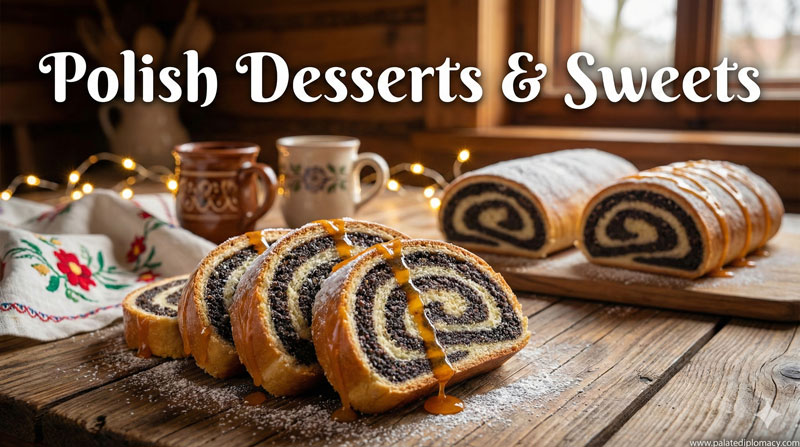
What is Polish Babka Cake?
Polish babka cake is a soft, fragrant loaf with a tender crumb. The name babka hints at warmth and family, and the cake often carries the echoes of generations. A classic babka uses a rich yeast dough, butter, eggs, and a touch of sugar, rolled with a cinnamon-sugar swirl or a glossy chocolate ribbon. Its crust is golden and slightly crisp, while the inside remains light and airy. In every bite, you sense care, time, and a respect for simple, good ingredients.
A Window into Polish Breakfast and Tea Time
In Poland, babka makes the daily rituals feel special. First, many households serve a slice with morning coffee or tea. Next, friends gather on weekends to share a warm piece and stories from the week. In bakeries, a freshly baked babka welcomes customers with its inviting aroma. Moreover, the cake often appears on festive tables, where family and neighbors exchange smiles over dessert. By enjoying babka, you taste a quiet, everyday hospitality that Polish kitchens have cherished for years.
The Craft: Ingredients and Techniques
The heart of Polish babka lies in its dough. A good babka blends flour, milk, eggs, and butter into a supple, enriched dough. Yeast slowly wakes the dough, giving it depth and a soft, pillowy texture. Next, bakers swirl a filling through the dough—usually cinnamon and sugar, sometimes cocoa, vanilla, or zest. The result is a ribbon of flavor that travels through each slice. The dough rests, rises, and bakes to a rippling finish. Finally, the loaf cools before it’s sliced, releasing its fragrance and inviting a second helping.
Regional Styles and Swirls
Poland hosts a spectrum of babka styles. In some places, cinnamon fills the swirl for a classic taste. In others, chocolate or nut fillings create a deeper, richer flavor. Poppy seeds and raisins appear in gentler variations, adding texture and a hint of sweetness. Home bakers often tailor a recipe to family memories, producing gentle differences from town to town. Yet the shared essence remains: a luxurious, comforting cake that celebrates everyday moments.
Serving and Pairing
Serve babka at room temperature to enjoy its scent and crumb fully. Pair it with a strong cup of coffee, a cup of tea, or a glass of milk. The contrast between a crisp crust and a tender interior shines in every bite. Add fresh fruit or a dollop of light cream if you wish, but many prefer the simple, unadorned slice. If you’re sharing, offer a warm piece to a guest with a smile; the act itself honors the cake’s spirit of hospitality.
Buying, Storing, and Recreating at Home
When you buy babka, look for a glossy crust and a moist, springy crumb. A dry loaf hints at staleness, so seek freshness. Store babka in an airtight container at room temperature for a few days, or freeze slices for longer keeping. If you bake at Home, you’ll often find joy in the process: mixing, kneading, and patiently waiting for the dough to rise. A home-baked babka carries a personal touch that elevates any table.
A Friendly Guide to Enjoying Like a Local
To savor babka Like a local, follow these gentle tips. First, take a moment to inhale its aroma before the first bite. Then, slice with care, letting each piece have a proper share. Next, notice the swirl—how it threads sweetness through the dough. Finally, share a slice with someone nearby; the social moment is part of the experience. In this way, you honor the cake and the people who bake it.
Quick Glossary
- Babka: A soft, enriched yeast cake with a flavorful swirl.
- Babka drożdżowa: Yeast-based babka.
- Babka parzona: A related style that uses a different preparation method.
- Swirl: The ribbon of filling that runs through the loaf.
- Smacznego: Polish for “enjoy your meal,” a friendly phrase to use when sharing.
Final Thoughts
Polish babka cake stands as a quiet emblem of home, care, and shared moments. Its beauty lies in the balance of simple ingredients, patient technique, and the warmth of a well-tung family recipe. Whether you buy it from a bakery or bake it at home, you’ll find that each slice tells a story of Polish food culture. Enjoying babka becomes more than a dessert; it becomes a small ceremony of hospitality and delight.