
Introduction
Polish cold cuts, or wędliny, are a window into everyday life in Poland. They link farmers, smokehouses, markets, and family tables. This guide celebrates their cultural value and culinary significance. You will discover why these cuts matter beyond taste, how they are made with care, and how locals savor them as part of daily rituals.
What makes Polish cold cuts special
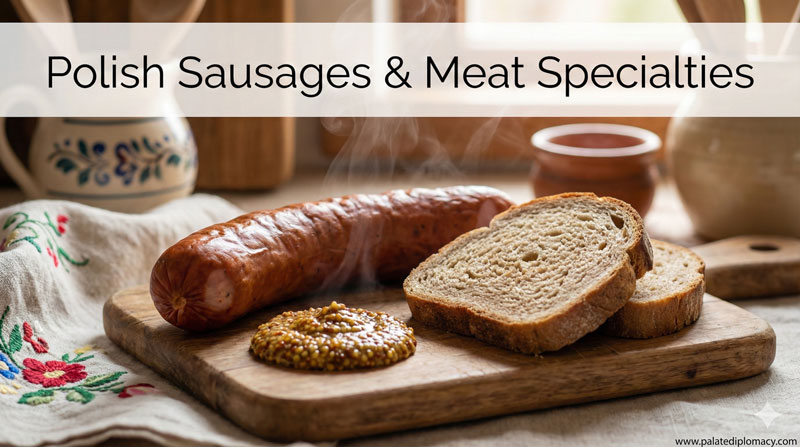
Traditional methods shape Polish wędliny. Curing, smoking, and careful seasoning create layers of aroma and texture. Regional soils, grasses, and climates influence the meat’s character, so a single plate can reflect a landscape. The craft values balance—salt and spice, smoke and time. Fresh bread, sharp mustard, and tangy pickles amplify these cuts, turning a simple plate into a shared experience. In markets and family kitchens, the generosity of slices invites conversation and memory. This simplicity and care give Polish cold cuts their quiet, lasting appeal.
Core varieties to know
- Kielbasa Krakowska: A bright, peppery smoked sausage with garlicky notes. Its firm texture carries a clean bite and a comforting aroma.
- Kabanosy: Thin, dry sausages with a crisp bite and a subtle zest. They travel well and pair with many flavors.
- Szynka parzona (boiled ham): Gentle in flavor, smooth in texture, often a staple on bread and boards.
- Kiełbasa mysliwska (hunter’s sausage): Hearty and smoky, with a rustic charm that speaks of forests and outdoor grills.
- Salceson (head cheese): A gelatinous, complex slice that showcases traditional nose-to-tail craft and firm slicing.
- Biała kiełbasa (white sausage): Lightly seasoned and lightly cured, ideal for autumn markets and festive tables.
- Pasztet (pate): Rich and creamy, often enriched with herbs; it brings smooth contrast to lean cuts.
- Szynka wiejska (country ham): A versatile, well-aged ham with balanced salt and a satisfying finish.
How to enjoy like a local
- Start with intention: choose a few key cuts and a sturdy rye or country loaf.
- Slice with care: thick slices for hearty cuts, thin slices for delicate ones. A good knife matters.
- Build a board: add mustard, horseradish, pickles, and onions. These accents brighten the meat’s flavor.
- Mind the tempo: alternate savory bites with refreshing picks so flavors stay lively.
- Embrace the rhythm: these plates appear in markets, at family gatherings, and alongside friendly chatter. Enjoy the moment as much as the taste.
Pairings, condiments, and rituals
- Mustard: Sarepska mustard offers a peppery zing that complements bold sausages.
- Horseradish: Fresh or creamy horseradish heightens the meat’s sharp edge.
- Pickles: Sour or mildly brined cucumbers cut through fat and lift the palate.
- Bread: A sturdy rye or rustic loaf anchors the flavors and provides texture.
- Beverages: Light beer or a crisp cider pairs nicely without overpowering the meat’s character.
- Rituals: In many homes, cold cuts appear on the table during meals, celebrations, and weekend markets. The act of sharing slices brings warmth and connection.
Shopping tips and storage
- Look for fragrance: a pleasant smoky or herb-forward aroma signals good curing. Avoid meat with sour or off smells.
- Check texture: cuts should feel firm, not mushy. Dry or lightly tacky surfaces are normal for some dried varieties.
- Inspect packaging: vacuum-sealed options stay fresh longer; open-air displays are best for fresh buyers and quick selection.
- Storage: refrigerate promptly. Wrap slices in parchment or place them in a breathable container to preserve texture. Consume within a few days of opening for best flavor.
Seasonal traditions and celebrations
Polish cold cuts shine on seasonal tables and festive occasions. During family gatherings and community markets, slices arrive on wooden boards with rye bread and bright condiments. In winter holidays, a thoughtful assortment on a platter adds warmth to shared moments. The care in selecting and presenting each cut echoes a culture of hospitality and togetherness.
A simple tasting plan
- Observe: note the color, marbling, and overall aroma of each cut.
- Smell: inhale the smoke and spice layers to anticipate flavor.
- Taste: start with milder slices, then move to smoky or peppery varieties.
- Contrast: pair each bite with bread, mustard, or pickle to see how flavors balance.
- Reflect: consider the texture, finish, and how well the plate invites another round.
Conclusion
Traditional Polish cold cuts are more than food; they are a practice of craft, memory, and shared moments. They invite exploration of textures, aromas, and regional flair. By appreciating the care behind each slice, you honor a long-standing cultural practice centered on hospitality, family, and the beauty of simple, well-made food. Enjoy the variety, savor the moment, and let the table tell its own story.