
A Complete Guide to Enjoying Traditional Polish Cold Cuts Like a Local
Polish cold cuts, or wędliny, are more than food. They carry memory, craft, and a sense of welcome. Each bite speaks of farmers, smokehouses, and family recipes passed down with care. Enjoying them the Polish way means slow tasting, mindful sharing, and noticing small regional differences that make each plate a little story.
What makes Polish cold cuts special
Polish cold cuts are built on balance: salt, smoke, spice, and patience. Makers use time-tested methods to transform simple pork or game into aromatic slices with character. The process often blends local herbs, garlic, pepper, and marjoram. The result is a spectrum from mild to bold, perfect for a spread that invites conversation. Above all, the appeal lies in the care behind each piece and the pleasure of gathering around a selection.
Core varieties you’ll meet
Kielbasa is a cornerstone. It comes in many forms, from fresh to smoked and dried, each with a distinct aroma. Kabanosy are long, slender sausages with a drying touch and a crisp bite. Szynka, or ham, offers a gentle, clean flavor that pairs easily with bread. Boczek adds a savory, fatty richness. Pasztet and pasztetowa provide smooth pâté textures that balance sharper slices. Look for bright color, even marbling, and a clean, inviting aroma.
Tasting techniques: slicing, serving, and pairings
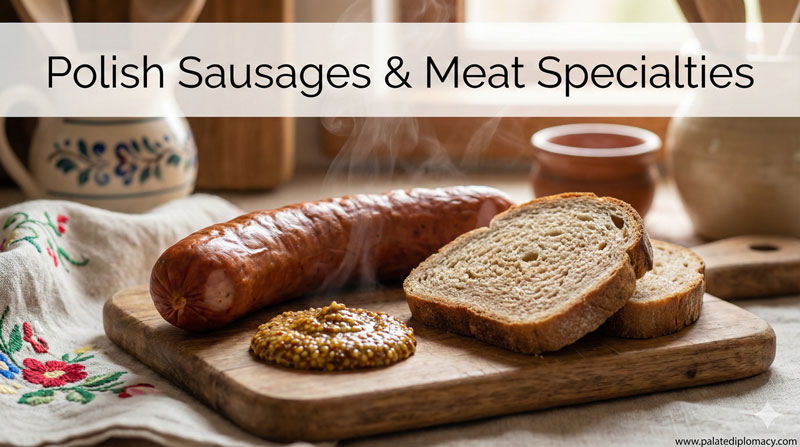
Begin with a neutral palate. Slice meats thinly so each texture and spice shows. Alternate milder and stronger flavors to appreciate contrasts. Serve with dark rye bread or crusty white bread, not overshadowing the meat. Add zingers of bite with pickled cucumber, onions, and cornichons. Mustard and horseradish give a sharp lift, while fresh herbs add brightness. A light beer or a crisp sparkling drink can cleanse the palate between bites. In all, let the plate guide the pace of the meal.
Regional traditions and the joy of a table
Across Poland, families add personal touches to wędliny plates. Some regions favor particular spice blends, smoke profiles, or meat cuts, creating gentle variations you can tune into. The shared act of assembling and passing the platter reinforces hospitality. It is common to pair slices with stories about the farm, the smokehouse, or the grandmother who perfected a recipe. This warmth is as much a part of the dish as the flavors themselves.
Building a plate like a local
- Start with a clean, central ham slice and a couple of sausages as anchors.
- Add varieties with contrasting textures: smooth pâté next to firmer kielbasa.
- Layer colors and shapes to invite the eye and the palate.
- Place pickles, onions, and mustard in small bowls for easy access.
- Offer fresh bread on the side and invite guests to create their own combinations.
Choosing, storing, and caring for wędliny
Look for meat with a pleasant aroma, even color, and firm texture. Avoid products with a strong, sour, or off smell. Check packaging for a clear ingredient list and a reasonable shelf life. Store cold cuts in the refrigerator, tightly wrapped, and consume opened items within a few days for best flavor. When buying in smaller markets, ask the shopkeeper about the maker and the smoke method—this often reveals the care behind the product.
A warm invitation to savor and share
Traditionally, Polish cold cuts shine at gatherings, from weekend breakfasts to festive meals. They invite conversation, curiosity, and a quiet appreciation for craft. By exploring the different meats, slices, and accompaniments, you discover not just flavors but a sense of place. Enjoy the journey, honor the makers, and let the table welcome you with generosity.