
Everything You Need to Know About Traditional Polish Cold Cuts
Polish cold cuts, or wędliny, are more than meals. They are stories told in flavor. Thin slices, rich textures, and bright aromas come together on a shared table. Each cut holds a memory of markets, family kitchens, and seasonal feasts. This guide celebrates their cultural value and culinary significance. It invites you to savor how Polish cold cuts enrich everyday life and special moments alike.
The Craft Behind the Slices
Traditional wędliny begin with careful selection of pork, beef, or mixed meats. The meat is cured or brined with salt, spices, and herbs. Common flavors include garlic, marjoram, pepper, and juniper. Some cuts are lightly smoked; others are air-dried to deepen their character. The result is a spectrum of textures—from smooth and silky to firm and chewy. The artistry rests in balance: saltiness that sings, fat that glows, and a mouthfeel that lingers just right.
A Palette of Classic Cuts
Polish cold cuts offer a reliable map of regional nuance and household favorites. Here are some well-loved stars:
- Kabanosy: long, slender, and intensely flavored. A dried sausage that brings a bright pepper note and a satisfying snap.
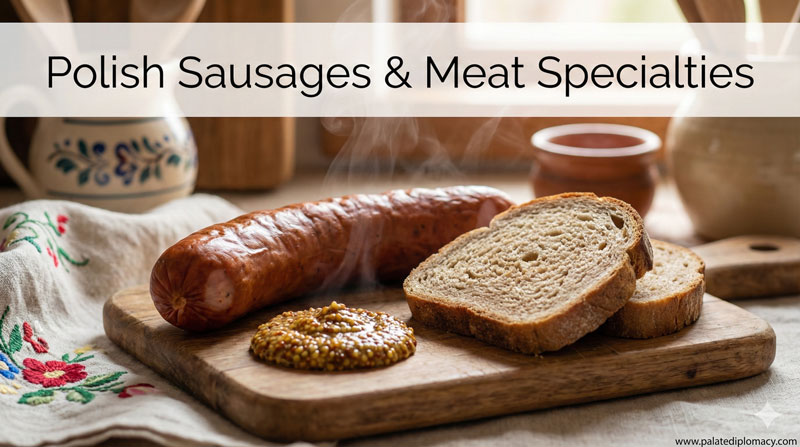
- Kielbasa Wiejska (country sausage): rustic and versatile. It pairs well with bread and sharp mustard.
- Krakowska: a fuller, mildly smoky sausage with a gentle clarity of pork flavor.
- Szynka: a lean, tender ham that shines when sliced thin for a simple platter.
- Biała kiełbasa (white sausage): typically boiled or simmered, often enjoyed warm with horseradish or mustard.
- Pasztet and Salceson: smooth liver pâté and head cheese that add depth and contrast to a spread.
Each cut tells a small part of Poland’s regional pantry, and each bite invites another choice.
Regional Voices in a Shared Table
Polish cold cuts reflect many kitchens and markets. In city shops, you’ll see bright displays of cured and smoked meats alongside fresh loaves. In smaller towns, family butchers craft batches with time-honored methods. The same cuts appear across festivals, church gatherings, and neighborhood celebrations. This continuity creates a sense of belonging. People share tips on how to slice the meat, which condiments highlight flavors, and how to balance textures on a plate.
Pairings That Elevate the Experience
A well-placed accompaniment elevates Polish cold cuts. Simple staples let the flavors shine:
– Fresh bread or rye bread that provides a sturdy, earthy backdrop.
– Grainy mustard or horseradish for a sharp contrast.
– Pickles, onions, or a light slaw for brightness.
– A crisp beer or a glass of cool cider can complete the tasting experience.
These pairings honor the cold cuts without overpowering their natural charm.
Cultural Moments and Everyday Joy
Wędliny play a loving role in both daily meals and festive gatherings. A family brunch often features a shallow platter of sliced meats, bread, and a few bright vegetables. At holiday tables, a broader spread shows off the range of textures and flavors. Sharing these cuts becomes a quiet ritual of hospitality. People welcome guests with a generous slice, a smile, and a moment to linger over the flavors.
How to Choose and Enjoy
When selecting Polish cold cuts, look for:
– A clean aroma and a bright color that hints at the meat’s quality.
– Even, fine slicing texture that suggests careful curing.
– A balance of fat and lean that feels harmonious on the palate.
To enjoy at home, arrange a simple board with a few slices of different cuts, bread, a light pickle, and a dab of mustard. Let the slices breathe at room temperature for a few minutes before serving to release their full aroma.
A Timeless, Respectful Celebration of Flavor
Traditional Polish cold cuts invite curiosity and warmth. They celebrate technique, cooperation, and care—from the butcher’s hand to the family table. For many, these meats are a quiet expression of hospitality and craft. They remind us that food can be a shared, comforting art—beautiful in presentation, rich in memory, and generous in flavor.
Final Thought
If you are new to Polish Cuisine, start with a small tasting and a simple bread pairing. Notice how each cut offers a distinct voice. Over time, you’ll discover how these cold cuts connect tradition, craft, and everyday enjoyment. They are more than foods; they are a doorway to a beloved culinary culture.