
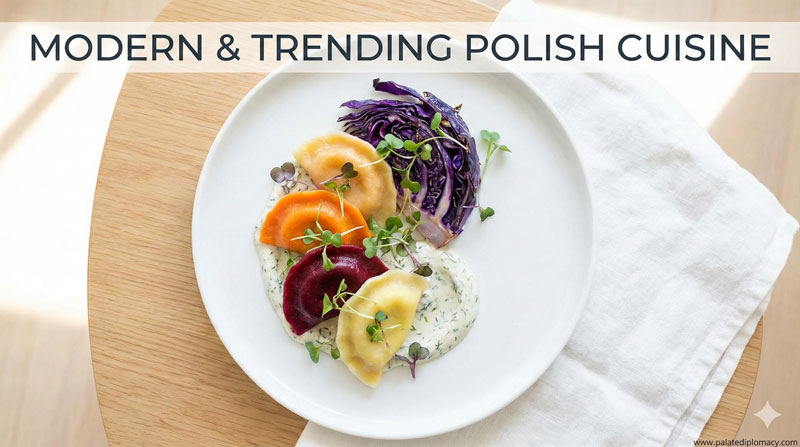
A Dish That Bridges Traditions
Fusion Polish bowls are more than meals. They are a quiet celebration of everyday culture. The dish takes familiar Polish ingredients and pairings, then invites new voices to join the table. This blend respects the old while welcoming the new. The result is a bowl that feels both comforting and exciting. Families savor it as a way to honor what they already know and to explore what they love to taste. In this approach, food becomes a bridge between yesterday and tomorrow. The bowls invite conversation, shared plates, and a sense of belonging around the table.
Core Elements of Fusion Polish Bowls
At the heart of every fusion Polish bowl are durable, well-loved Polish staples. Think of grains such as buckwheat or barley, potatoes, cabbage, beets, mushrooms, and herbs like dill and chives. These form the base that anchors the bowl. Then we add a contrasting protein or plant-based option, perhaps smoked fish, roasted chicken, beans, or tofu. A tangy or creamy accent—such as sour cream, yogurt, or a light vinaigrette—brightens the dish. Finally, crisp vegetables or pickles provide texture and zing. The fusion aspect comes from careful flavor pairing: a citrus note, a sesame oil drizzle, a hint of soy, or a touch of chili can sit beside traditional Polish seasonings. The goal is harmony, not hype, and balance is the guiding principle.
The Significance of Bowls in Polish Home Cooking
Polish meals often center around warmth, generosity, and shared nourishment. The bowl is a natural vessel for this spirit. Each layer tells a small part of a family’s story: grains that tie to harvest seasons, vegetables that reflect a Local garden, and a sauce or topping that signals a grandmother’s drawer of jars and condiments. When a family ladles out a fusion Polish bowl, they perform care and attention. They show how cooking can be flexible yet faithful. The bowl becomes a canvas where memory and curiosity mingle, inviting all generations to contribute. In this way, the dish strengthens family bonds and deepens appreciation for everyday cooking.
Seasonal Voices and Local Ingredients
Seasonality matters in fusion Polish bowls. Spring greens, early beets, and fresh herbs color the bowl with bright notes. Summer brings cucumbers, tomatoes, and peppers to brighten textures and flavors. Autumn yields hearty root vegetables and mushrooms. Winter preserves flavors with warmed spices and comforting dairy accents. Each season offers a new palette, and families adapt their bowls accordingly. Local markets and garden patches supply the ingredients. This local connection reinforces the cultural value: it anchors the dish in place, time, and community. The bowls become a tradition that travels through the year, always rooted in what is nearby and familiar.
Craft, Balance, and Texture
Craftmanship shows in every component. Skillful roasting, precise pickling, and thoughtful layering create a bowl that feels deliberate rather than hurried. Texture matters as much as taste. A creamy dressing mingles with crisp cucumbers, and a soft grain base supports a crunchy topping. The balance of sour, salt, sweet, and umami is essential. Fermented or pickled elements bring brightness; roasted vegetables add depth; herbs finish with lift. This careful balance reveals a culinary sensibility that respects Polish flavors while welcoming new textures and concepts. The result is a dish that is versatile, elegant, and approachable.
A Gentle Invitation to Explore
Fusion Polish bowls invite personal expression. Home cooks can start with a simple foundation: a grain base, a protein, some pickled elements, and a bright greens-and-herbs finish. Then they can adjust to taste, season, and mood. This approach respects tradition while encouraging discovery. In sharing bowls with family and friends, cooks invite conversation and curiosity. The dish supports a warm, inclusive table where flavors mingle and stories unfold. It is a small, delicious example of how cuisine can celebrate heritage and welcome change at the same time.