
The Heart of Polish Family Tables
Kiełbasa Krakowska invites people to the table with a bright aroma and a friendly presence. This sausage is more than a food item; it is a quiet storyteller of Polish kitchen culture. Lean meat, a gentle kiss of fat, and a well-balanced spice blend meet in a firm, sliceable texture. The result is versatile enough for everyday meals and special gatherings alike. With each bite, families sense a shared craft and a welcome that comes from generations of careful preparation. The dish embodies warmth, hospitality, and a respect for simple, well-made food.
What Sets Krakowska Apart
Krakowska stands out for its flavor profile and its sturdy, yet tender bite. It is seasoned with pepper, garlic, and a thoughtful mix of spices, then slowly smoked to lock in its character. The meat is typically lean, with enough fat to carry the aroma and keep the slices moist. The smoking process gives a subtle, smoky depth that complements bread, mustard, and berries of the season. Its appearance—long, evenly smoked rounds—suggests a careful craft and a connection to a specific regional tradition. in Polish cuisine, Krakowska is recognized for its balance of brightness and heft, making it a reliable centerpiece or a refined compliment to a simple plate.
Craft and Care: How It’s Made
The craft behind Kiełbasa Krakowska blends tradition with patience. Skilled butchers select good pork, trim to a clean cut, and rub the meat with salt and spices. The mixture rests to mingle flavors, then fills natural casings and is gently cured. The drying and smoking step follows, often done in smokehouses that use wood to contribute a gentle sweetness. The goal is a sausage that holds its shape, slices cleanly, and carries aroma without overpowering the palate. When made in small batches, Krakowska carries a personal stamp—the signature of a family or a Local producer who treats the sausage as a culinary heirloom.
A Classic Way to Enjoy It
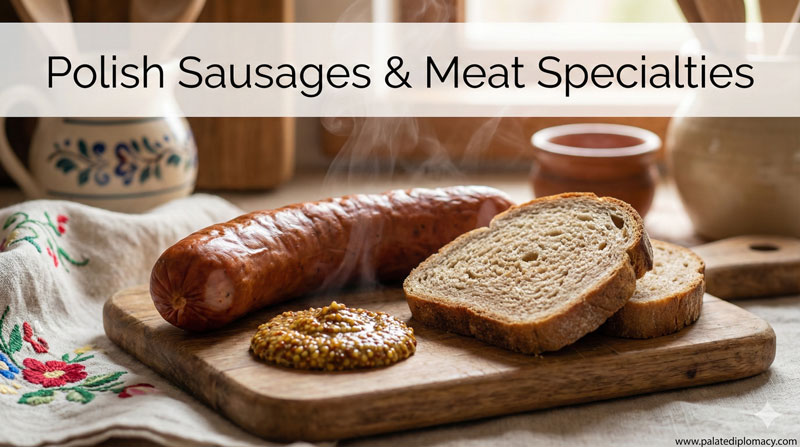
Politely sliced, Kiełbasa Krakowska opens a world of serving ideas. Thin rounds pair beautifully with crusty rye or country bread, a dab of smooth butter, and a sharp mustard. It also fits neatly beside cold pickles and a humble potato dish. For a heartier plate, warm a skillet and let the slices release a gentle sizzle, then serve over potatoes with onions or peppers. The aroma fills the room, inviting conversation and shared bites. A simple platter can become a moment of connection when Krakowska joins another staple from the table—cheese, bread, and a bright pickle.
Shared Meals and Seasonal Gatherings
Polish family tables celebrate the rhythm of seasons, and Kiełbasa Krakowska often plays a central role in these moments. In autumn and winter, its robust flavor adds warmth to breakfast or lunch. In spring and summer, it complements light salads and fresh bread. The sausage is easy to portion for a crowd, making it a reliable choice for family gatherings, Sunday meals, or a cheerful lunch during a busy week. In every season, it signals a pause—an invitation to slow down, slice carefully, and savor the simple joy of good food shared with others.
A Timeless Symbol on the Table
Kiełbasa Krakowska carries a quiet dignity that makes the table feel special, even in everyday meals. It honors a tradition of thoughtful seasoning, careful smoking, and patient waiting. This is not merely nourishment; it is a memory-maker—a way for families to pass down technique, sensory detail, and a sense of place. The sausage’s familiar scent and firm bite invite stories of farmers, butchers, and cooks who treat food as a craft. When Krakowska graces the board, it elevates the moment with grace and appreciation for the goodness of well-made ingredients.
Simple Preparation, Rich Experience
If you want to invite Krakowska into your own kitchen, start with a few clean slices. Pair it with bread, a dab of mustard, and fresh pickles. Let the flavors speak, and listen to the texture as it yields to the knife. The experience is accessible, yet elegant enough for guests. By embracing Krakowska, you join a tradition that values quality, clarity of taste, and the joy of sharing. This is the beauty of Polish culinary tradition: a dish that is straightforward, respectful, and endlessly welcoming.