
Introduction
Fusion Polish Bowls invite a warm conversation with Polish food culture. This dish expresses both family memory and creative curiosity. It blends familiar Polish staples with flavors from beyond the kitchen door. The result is a dish that feels both rooted and fresh. In this post, we explore its cultural value and culinary significance. We stay focused on how these bowls reflect daily life, shared meals, and the care people bring to cooking.
What are Fusion Polish Bowls?
Fusion Polish Bowls are versatile, constructive meals. They center on a base such as grains or potatoes, then add protein, vegetables, and a bright sauce or dressing. The flavors blend Polish flair—earthy roots, tangy dairy, herbaceous greens—with textures and spices from other cuisines. Each family shapes its bowl with what is seasonally available. The bowls celebrate flexibility and hospitality, two hallmarks of Polish home cooking.
Cultural Value: Sharing and Tradition
Polish family meals are occasions for connection. Fusion Polish Bowls accent this by inviting everyone to contribute. A grandparent might share a preferred pickled vegetable, a parent adds a favorite grain, a child offers a fresh herb. The bowls become a living map of a kitchen’s memory. A shared bowl is a small ceremony of care, where flavors pass from one person to another. In this way, the dish becomes part of daily life rather than a one-time event. The practice reinforces generosity, attentiveness, and mutual appreciation around the table.
Culinary Significance: Techniques and Flavor Balance
The appeal lies in balance. A well-made bowl harmonizes salty, sour, creamy, and bright notes. It often pairs a comforting base with a crisp topping or a tangy sauce. Traditional techniques appear in new forms: roasting vegetables to deepen sweetness, braising a protein for tenderness, or brightening the mix with fresh herbs and a yogurt-based sauce. Polish elements like rye or buckwheat grains, potatoes, beets, cabbage, and dill frequently anchor the dish. Yet the fusion approach invites light touches of paprika, citrus, sesame, or sesame oil, always guided by taste. This harmony demonstrates how serious technique can blend with everyday ingredients to create something accessible and nourishing.
Seasons, Markets, and Local Ingredients
Fresh, local ingredients shape the dish. In season, green herbs and early vegetables brighten the bowl. In cooler months, root vegetables, beets, and hearty greens give depth and comfort. Markets offer a rhythm: weekly harvests, market stalls stacked with seasonal colors, families exchanging tips on preparation. This connection to the land highlights a key value: meals reflect the time of year and the care of the people who choose what to cook. When families adapt bowls to what’s available, they also tell The Story of their locality and its pantry.
Family Traditions and Everyday Hospitality
Hospitality is central to Polish daily life. Fusion Polish Bowls embody hospitality by inviting guests to customize their plate. A host introduces a base, a few proteins, and several vegetable options, then invites everyone to assemble. This process makes guests feel welcome and included. It also teaches younger cooks to taste, adjust, and respect diverse preferences. The bowls become a shared project, where each person’s contribution adds to the whole.
Regional Variations in Polish Fusion Bowls
Polish Cuisine varies by region, and so do these bowls. In the north, seafood or tangy dairy accents might appear more often. In the east, dill, beets, and rye bring a rustic sweetness. In the mountains, potatoes and mushrooms offer hearty depth. Families adapt the concept to regional ingredients while keeping the core idea: a nourishing, colorful bowl that respects tradition and embraces novelty. These regional touches enrich the dish without losing its character as a Polish-centered meal.
Presentation: Color, Texture, and Table Feel
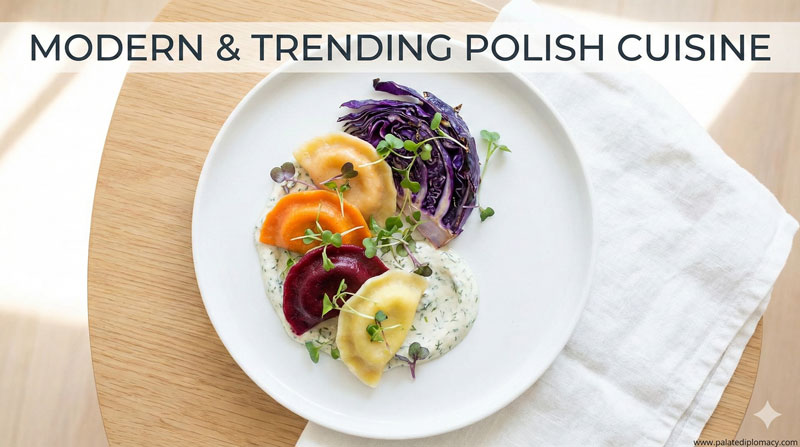
A well-presented Fusion Polish Bowl pleases the eye and the palate. The base provides substance; proteins bring protein and savor; vegetables give color and crunch; sauces tie the flavors together. A sprinkle of fresh herbs or seeds adds scent and texture. The arrangement on the plate, or in the bowl, matters as much as the ingredients themselves. The visual appeal reinforces the sense of care and mindfulness that accompanies Polish family cooking.
The Modern Moment: Polish Fusion Bowls Today
Today, families keep the dish alive by inviting new tastes into traditional routines. Younger cooks bring curiosity, while elders share wisdom about balance and seasonality. The bowls sit comfortably in homes, cookbooks, and small eateries. They bridge past and present with no need for dramatic change. Instead, they demonstrate that culture stays vibrant when it remains open to new ideas while honoring core flavors.
Practical Guide: Recreating the Experience at Home
- Start with a base: Choose grains like buckwheat, barley, or brown rice, or opt for boiled potatoes for a traditional touch.
- Pick a protein: Options include roasted chicken, grilled fish, sautéed mushrooms, or legumes for a plant-forward bowl.
- Choose vegetables: Roast root vegetables, add cabbage slaw, cucumber ribbons, sautéed greens, or pickled items for brightness.
- Create a sauce: A yogurt-dill sauce, a beet yogurt drizzle, or a light horseradish cream can tie the bowl together.
- Add finishing touches: Fresh herbs, lemon zest, seeds, or crisp onions add aroma and texture.
- Balance flavors: Aim for a mix of earthiness, tang, creaminess, and a hint of acidity to lift the dish.
- Serve and share: Present the bowls at the table and invite everyone to assemble their own. The act of sharing completes the meal.
Conclusion: A Living, Tasty Tradition
Fusion Polish Bowls capture a respectful blend of tradition and exploration. They honor Polish culinary roots while welcoming diverse flavors. The dish celebrates nourishment, family presence, and the joy of cooking together. It stands as a comforting reminder that food can be both familiar and adventurous. By appreciating its cultural value and culinary significance, we see how a simple bowl can tell a larger, inviting story about home, community, and the love that goes into every carefully chosen ingredient.