
Introduction
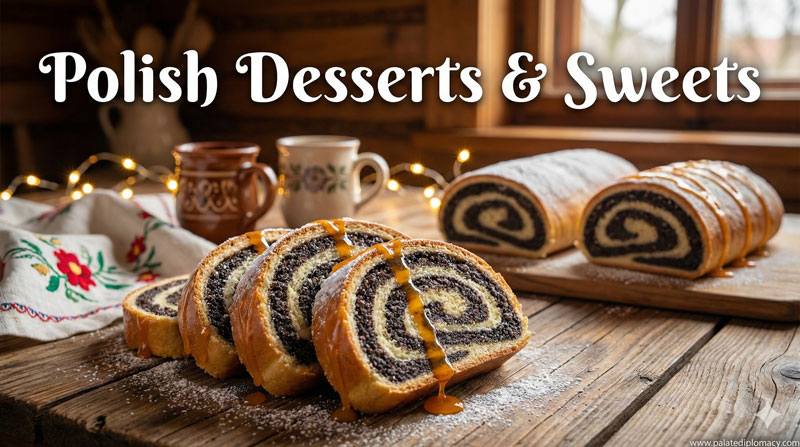
Makowiec invites the senses with its glossy swirl and fragrant filling. It travels through Polish kitchens with ease, turning an ordinary moment into something shared and warm. The dish centers on a humble poppy seed filling wrapped in a soft, golden dough. For families, Makowiec is more than a dessert; it is a small ceremony of care. It signals welcome, patience, and togetherness. In this post, we explore its cultural value and culinary significance. We focus on How Polish families honor tradition with Makowiec, while keeping the tone balanced and inviting.
What Makowiec Is
Makowiec is a rolled pastry that highlights ground poppy seeds as its star. The dough is rich with butter or oil, eggs, and a gentle sweetness. The filling blends ground poppy seeds with honey, nuts, and dried fruit. Some families add a hint of citrus zest or a pinch of cinnamon for depth. The result is a layered spiral that unveils itself bite by bite. Each slice carries a memory of the kitchen, the clock, and the table where it was made. The dish speaks with a quiet sweetness that fans out in scent as it bakes.
Craft and Technique
The making of Makowiec is a family act in many homes. It unfolds with patience and care. Parents guide younger hands as dough is mixed, kneaded, and allowed to rise. A rolling pin becomes a bridge between generations. The filling is prepared to a smooth, fragrant paste. The dough is rolled thin, spread with the filling, and rolled into a log. It rests briefly before baking, then gleams with a soft glaze or a kiss of egg wash. When cooled, the roll is sliced to reveal its delicate spiral. Each step is a quiet lesson in texture, balance, and timing.
Traditions of Sharing
On many Polish tables, Makowiec arrives as a symbol of hospitality. It sits at the center of the platter, ready to be shared with friends and family. Slices are offered with tea or coffee, inviting conversation and lingering moments. The act of slicing becomes a small ceremony—careful, gentle, and communal. Guests hear the crackle of the crust and feel the poppy seed filling yield to sweetness. In this simple ritual, memory and tonight’s gathering become one.
Seasonal Moments
Makowiec shines at seasonal celebrations. It is a familiar presence on Christmas Eve tables, where many families savor it alongside other comforting sweets and savory dishes. It also appears at Easter feasts, marking renewal and togetherness. In each season, the same pastry carries different stories but the same spirit: to welcome, to share, and to enjoy the careful craft of baking. The dish helps infuse the day with a sense of continuity, comfort, and cheerful anticipation.
Regional Variations
Across Poland, families adapt Makowiec to local tastes. Some fillings lean toward walnuts, almonds, or raisins, while others favor a brighter citrus note. The dough may be enriched with a bit of sour cream or yogurt in certain regions, yielding a tender crumb. Shapes vary as well: a clean spiral, a pinwheel, or a tighter log, each with its own charm. Yet the core idea remains steady — rolled dough embracing a fragrant poppy filling. These small differences celebrate regional sensibilities while keeping the common heart of the dish intact.
The Language of Comfort
Makowiec speaks in aroma and texture. The scent of a baking roll filling the kitchen brings a sense of welcome and calm. The first bite offers a soft, yielding crumb and a gentle sweetness that lingers. This is comfort that travels from oven to table, inviting quiet gratitude and smiling conversations. In many homes, the pastry becomes a bridge to shared stories—recipes passed down, tips from a grandparent, or a favorite variation learned from a friend. The language is simple, yet deeply expressive.
Modern Twists and Continuity
Today, bakers honor tradition while embracing gentle modern twists. Some makers introduce a glaze with a touch of vanilla or citrus syrup. A few experiment with different textures by mixing poppy seeds with crushed nuts for extra bite. Yet even with small changes, the core message remains: Makowiec is about care, patience, and togetherness. The dish adapts to new kitchens and new tastes, but its role as a center-piece for gatherings stays constant.
Closing Thoughts
Makowiec stands as a vivid expression of Polish culinary culture. Its beauty lies not only in the careful balance of sweet dough and fragrant filling but also in the way it gathers people. Each slice becomes a moment of connection, a shared breath, and a memory in the making. For Polish families, Makowiec is a gentle reminder that good food is best when enjoyed together, with warmth, respect, and a sense of continuity that crosses seasons and simple days.