
Rosół: A Warm Polish Welcome
Rosół is more than a soup. It is a quiet ritual of care and welcome in Polish homes. The word rosół names the dish itself, a broth that invites a pause. Families gather around a steaming pot as the kitchen fills with a gentle aroma. A clear broth, chicken, and simple vegetables become a canvas for conversation and comfort. The dish shines in its restraint and in the way it invites people to slow down together.
The Core: What Makes Rosół Special
The base is humble, yet the result feels grand. Most often it centers on chicken bones and meat, simmered with onion, carrot, celery, and a few herbs. The onion is sometimes peeled and charred to deepen color and flavor. Bay leaf and peppercorns add warmth. The aim is clarity: a broth that glows with light gold and a clean, true taste. This clarity reflects patience and care in the kitchen. The practice of skimming foam and maintaining a gentle simmer teaches attentiveness and respect for the ingredients—the same virtues many Polish homes value at the table.
The Noodles: Makaron as a Gentle Partner
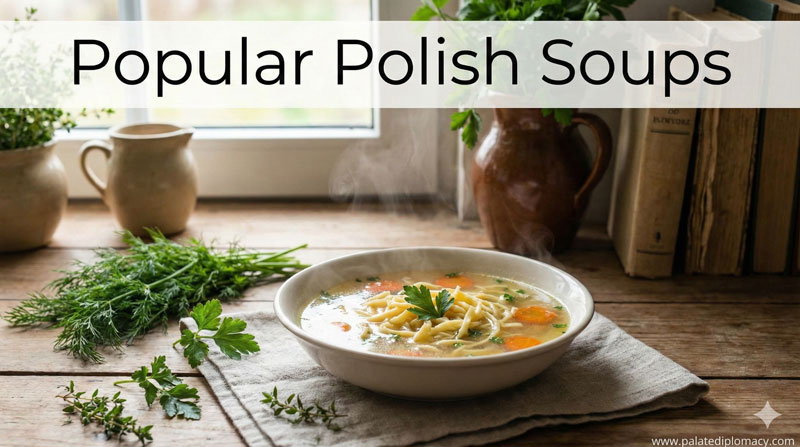
Rosół welcomes a small, tender partner: makaron, usually delicate egg noodles or kluski. The noodles swim in the hot broth, absorbing a touch of its warmth. They provide texture and rhythm to the first bite. The pairing feels almost ceremonial: a spoonful of noodles, a sip of broth, a moment of quiet listening around the table. This simple duet—broth and noodles—highlights how a few elements can yield a comforting, appreciative experience.
The Table and the Guest: Hospitality in Action
Serving rosół marks a moment of welcome. It signals that guests are valued and cared for. The table becomes a calm stage for conversation, memories, and laughter. In many homes, a grandmother’s hands reveal the recipe, handed through generations with thoughtful notes on herbs and simmer times. The broth carries the memory of shared kitchens, patient hands, and the warmth of a familiar welcome. The act of sharing becomes a gentle expression of hospitality that many readers can recognize in their own family rituals.
Sensory Heritage: Aroma, Texture, and Color
The scent is inviting, not overpowering. Steam carries notes of herbs, onion, and a touch of caramelized sweetness from the gentle roasting. The broth is clear, shimmering with a pale gold hue. The noodles add softness and a little bite, while the vegetables offer sweet contrasts. The balance of light broth, tender noodles, and comforting warmth reflects a traditional preference for harmony in meals. Rosół teaches restraint, warmth, and gratitude on the plate and at the table, inviting everyone to slow down and savor the moment.
Occasions and Continuity
Rosół appears on Sundays, family gatherings, and meals meant to feel soothing and bright. It welcomes both longtime favorites and new friends. The practice of sharing rosół can anchor a meal with a sense of continuity and belonging. It is about presence and connection rather than spectacle. Each bowl ties the day to memory and place, turning ordinary times into cherished rituals.
A Simple Gift, A Lasting Connection
In a world of quick fixes, rosół remains a reminder of time spent with care. It stands as a symbol of home and belonging. Preparing it with patience allows families to pass on a language of comfort and hospitality. The dish invites reflection on the beauty of simple ingredients transformed through warmth and shared ritual. Rosół thus weaves a bright thread through Polish food culture—a dish that nourishes body and the sense of community, inviting all who taste it to feel at Home.