
Introduction
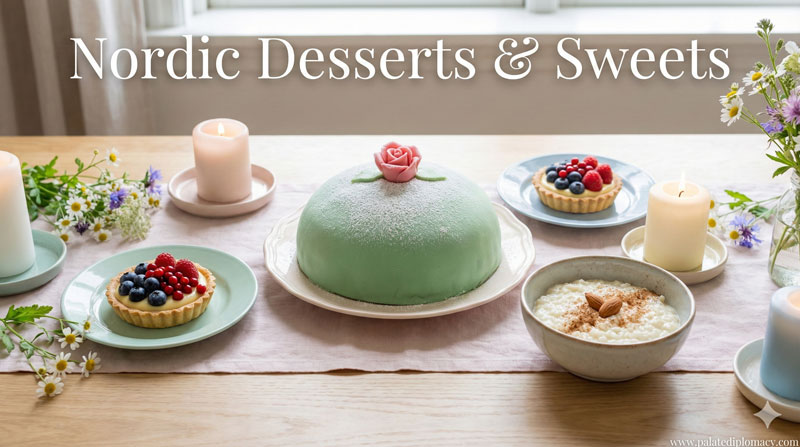
Princess cake, or Prinsesstårta, stands as a bright and comforting emblem in Nordic kitchens. It invites curiosity with its layered structure and its glossy green marzipan shell. Yet its true charm goes beyond looks. The dessert carries a quiet, enduring value in homes and cafés alike. It marks moments of togetherness, from family gatherings to tea-time pauses that slow the day just enough to savor a shared slice. In this post, we explore the cultural value and culinary significance of Princess cake, highlighting why it remains A Beloved signal of Nordic hospitality and craftsmanship.
What makes Prinsesstårta unique
Prinsesstårta is built on a simple yet elegant idea: layers of soft sponge, creamy vanilla custard, and whipped cream sandwiched together, then wrapped in a smooth, edible shell of marzipan. The cake is typically crowned with a delicate pink marzipan rose. This combination creates a balance of textures—light sponge, lush cream, and a slightly chewy marzipan outer layer. The result is a dessert that feels celebratory but approachable. Its beauty lies in the contrast between the airy interior and the polished exterior, a tribute to both baking technique and aesthetic care. In Nordic homes, this balance mirrors how people value warmth, restraint, and artistry in everyday life.
The craft behind Prinsesstårta
The making of Princess cake is a craft that rewards patience and attention to detail. Bakers begin with sponge cakes, which are cooled and often brushed with a light syrup to keep them moist. Vanilla custard is made smooth and rich, then whipped cream is folded gently into a sweet, airy filling. Raspberry jam adds a bright counterpoint of tart fruit. The layers are stacked with care, creating a cake that is tall yet delicate. Finally, the outside is covered with green marzipan, rolled thin to a flawless finish. A pink marzipan rose sits atop, completed with a glaze that gives the cake a lively, uplifting presence. This sequence—structure, texture, and finish—embodies the careful, methodical joy found in Nordic baking.
Cultural roots in Nordic tables
Across Sweden, Norway, Finland, and Denmark, Princess cake has become a staple in family kitchens and cafés. It is often part of birthday traditions, tea-time rituals, and seasonal celebrations. The cake invites slow enjoyment, with slices shared among friends and relatives. In this way, Prinsesstårta supports a culture of hospitality that values generous portions, thoughtful presentation, and the art of bringing people together. The green marzipan exterior itself has become a cultural cue, signaling a moment of celebration and a nod to nature’s calm palette. The cake also reflects a Nordic preference for light yet comforting desserts—sweet enough to please, but balanced so the flavors remain harmonious.
Celebrations, fika, and shared moments
Fika—that cherished coffee-and-snack pause—plays a central role in Nordic social life. Princess cake fits beautifully into fika rituals, offering a special treat that elevates ordinary breaks into memorable pauses. Sharing a slice encourages conversation, and the cake’s refined appearance invites a moment of appreciation for craft. In family gatherings, the cake becomes a focal point around which stories and memories circulate. Its presence signals care, patience, and a desire to make space for others. By encouraging slow, sociable moments, Prinsesstårta strengthens the simple rituals that enrich daily life in Nordic communities.
Variations across the Nordics
While the classic Prinsesstårta follows a familiar pattern, regional twists add richness to the tradition. In Sweden, the green marzipan shell with a pink marzipan rose remains iconic and widely cherished. Other Nordic kitchens may introduce subtle changes: slightly different fillings, lighter or denser sponge, or variations in marzipan color. Some cooks experiment with berry jams beyond raspberry, while others keep the original vanilla custard as the Heart of the filling. These small adaptations honor local tastes while preserving the integrity of the dessert’s layered structure and elegant exterior. The result is a family of cakes that share a common spirit—refined, celebratory, and deeply rooted in Nordic hospitality.
Serving suggestions and pairings
Princess cake shines best when it is served with warmth and attention to the moment. Pair it with a well-brewed coffee or a calming cup of tea to echo the cake’s balanced sweetness. Fresh berries can provide a bright, contrasting note, especially in warmer weather. A light scatter of powdered sugar or a tiny edible rose can add a final touch of festivity without overwhelming the cake’s refined lines. When presented on a platter, the cake invites guests to admire its smooth marzipan finish and the delicate rose on top. These details elevate the experience, turning a slice into a small ceremony of taste and appreciation.
Why it remains loved today
Princess cake endures because it blends technique, taste, and presentation into a single, elegant experience. The cake rewards careful hands and thoughtful timing, yet it remains approachable enough for home bakers to attempt. Its flavors—vanilla, cream, and a hint of berry—are harmonious and comforting, appealing to a wide audience. The green shell and pink rose introduce color and joy without shouting, a quality that resonates with Nordic sensibilities. Above all, Prinsesstårta is a symbol of care: a dessert prepared with attention, shared with others, and enjoyed in quiet moments of connection. This combination—craft, community, and calm pleasure—keeps it a favored choice in Nordic kitchens today.
Conclusion
Princess cake stands as a graceful emblem of Nordic culinary culture. Its layered structure, delicate marzipan finish, and soft, comforting flavors reflect a region that values balance, craft, and shared moments. Through fika moments, family celebrations, and everyday tea breaks, Prinsesstårta continues to enrich the palate and the spirit. By honoring the cake’s texture, color, and symbolism, we celebrate a dessert that is much more than a treat—it is a meaningful thread in the fabric of Nordic Food Culture.