
Discover the Clean Flavors of Princess Cake
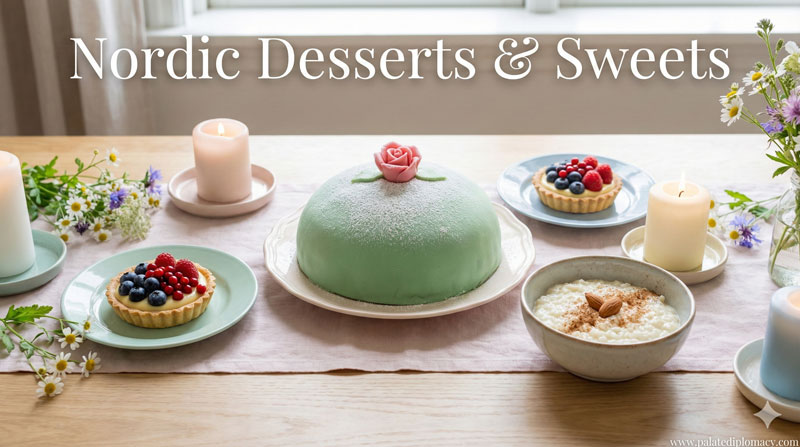
This cake reveals a seldom-fussed elegance. Princess Cake, or Prinsesstårta in Swedish, brings a sense of calm to the table. Its flavors stay bright and clear: vanilla sponge, a smooth pastry cream, raspberry jam, and a cloud of whipped cream. A green marzipan cloak covers the cake, giving it a gentle, welcoming look. The result is refined yet approachable.
In everyday settings or festive moments, this dessert speaks of care. The ingredients work in harmony, letting each note shine without shouting. The cake invites conversation and shared smiles. It is a dish that feels at Home on a family lunch table and in a café’s glass case. Its clean flavors make it easy to appreciate, bite by bite.
Heritage and Craft: A Window into Swedish Baking
Sweden has a long tradition of home baking that celebrates technique and hospitality. Prinsesstårta emerged as a favorite in Swedish pastry culture and soon became a familiar sight at celebrations. The cake embodies a particular balance: a light sponge that cradles creamy fillings, and a marzipan exterior that smooths the texture into a single, elegant bite.
Craftsmanship matters here. Bakers roll out sponge evenly, whip a delicate cream, and spread a thin layer of vanilla custard. Then they tum the layers together with jam and cream. Finally, they wrap the cake in marzipan, often tinted a soft green. The color and the neat finish are not merely decorative; they signal a respect for detail and a love of order. This is why Prinsesstårta feels both timeless and contemporary.
The Layered Symphony: Texture, Flavor, and Technique
The cake unfolds in layers, and each layer brings something essential. The vanilla sponge provides a tender start, not too sweet. The pastry cream adds a creamy richness that anchors the lighter elements. Raspberry jam introduces a bright tart note that brightens the palate. Whipped cream adds airiness, balancing richness with lift. The marzipan outer layer ties the whole ensemble together with a smooth, slightly nutty finish.
From a culinary perspective, this combination is a study in balance. The sponge must be light enough to carry the fillings without sogging. The jam should be vibrant but not overpowering. The cream must stay stable and cool, offering a gentle mouthfeel. Finally, marzipan provides a quiet sweetness and a clean, tactile surface. In this way, the Princess Cake demonstrates how contrasting textures can coexist beautifully. It rewards careful proportion and precise assembly.
Celebrations and Everyday Joy: A Cake for Moments Great and Small
This cake shines at celebrations, where it marks the passage of time with grace. It is equally at home as a weekend treat or a café pastry that brightens a quiet afternoon. The cake’s appearance—soft green, polished, and inviting—adds a sense of ceremony without being formal. People slow down a little when sharing a slice, and conversations often lengthen as flavors linger.
The Princess Cake also reflects a cultural preference for seasonal sweetness and clean finishes. It favors ingredients that feel fresh and natural, letting the flavors speak clearly. Whether served with coffee, tea, or a cold drink, the cake fits a range of moments. It remains a comforting, reliable option for bakers and hosts alike.
Craft at Home: Practical Tips to Honor the Dish
You can bring the elegance of Prinsesstårta into your own kitchen with mindful preparation. Start with a good vanilla sponge, as a sturdy but tender base. Choose a smooth pastry cream and a bright raspberry jam so the flavors sing together. Whipped cream should be light and stable, not overly sweet. Finally, marzipan should be soft enough to shape but firm enough to cover the cake neatly.
A few practical tips help maintain the cake’s refined look. Chill the cake between assembly steps to keep layers aligned. Roll out the marzipan evenly to avoid thin spots, and use a light dusting of cornstarch to prevent sticking. If you tint the marzipan, keep the color soft and natural. When serving, cut clean slices with a warm blade to reveal the neat interior.
This approach honors the dish’s cultural value by preserving its balance and elegance. A well-made Prinsesstårta respects the lineage of Swedish baking while inviting new bakers to contribute their own touch.
Global Appreciation: Princess Cake Beyond Borders
Although rooted in Sweden, Prinsesstårta has found admirers worldwide. The name “Princess Cake” travels well, and kitchens around the world adapt the idea to local tastes. Some bakers experiment with different jams or creams while preserving the signature green marzipan. Others keep the classic model and present it at cultural events, bakeries, and households far from its origin.
What remains constant is the cake’s approachable beauty. Its clean flavors and crisp presentation make it a flexible centerpiece for gatherings. It invites people to slow down and share. In many places, a slice of Princess Cake becomes a small ritual—an anchor for conversation and a gentle celebration of good ingredients and careful technique.
Conclusion
Princess Cake offers more than a dessert. It presents a clear philosophy of flavor: light, balanced, and precise; a display of craft that honors tradition while welcoming curiosity. The dish stands as a quiet ambassador of Swedish baking—an edible form of hospitality that celebrates the joy of careful preparation and communal moments. Through its layered textures and clean flavors, the cake teaches us to appreciate the beauty that careful technique can bring to everyday life. If you seek a treat that tastes of calm refinement and shared delight, the Princess Cake is an elegant choice worth exploring.