
Introduction
Puff puff is a beloved fried dough snack that visitors often describe as comforting and lively. Its golden color, airy interior, and crisp crust make it a pleasing bite from the first to the last. This dish holds a warm place in many everyday moments, from early mornings to late afternoons. It shines in markets, family gatherings, and casual conversations alike. Below, we explore puff puff’s cultural value and culinary significance with a respectful, inviting tone.
What is Puff Puff?
Puff puff is a simple dough that comes alive when fried. It uses common pantry ingredients: flour, sugar, yeast, water, and a pinch of salt. Some cooks add a hint of nutmeg or vanilla for fragrance. The dough is allowed to rise, then spooned or rolled into small rounds and fried until they puff and turn a rich golden brown. The result is a light, fluffy center with a gently crisp exterior. It is often enjoyed warm, when sweetness and fragrance are strongest.
The Craft: Ingredients and Technique
The beauty of puff puff lies in balance. Flour provides structure, sugar adds a touch of sweetness, yeast fuels lift, and water brings everything together. A dash of salt counters the sweetness just enough. Some cooks use warm water or milk to encourage a brighter rise. The oil should be steady and hot, not smoking, to ensure a clean fry. With precise timing, each piece puffs into a tender, airy bite. The technique rewards patience and attention, turning simple dough into a snack with character.
Cultural Value and Everyday Life
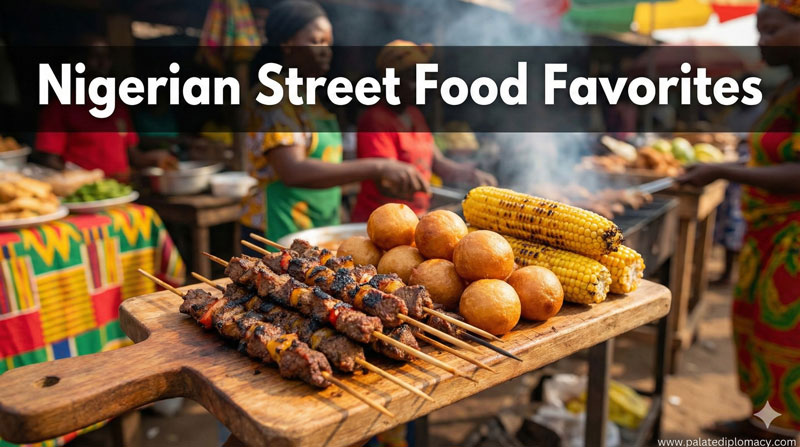
Puff puff sits at the heart of daily life in many communities. It is a treat that welcomes neighbors and friends to share in a quick, satisfying moment. Street vendors often serve puff puff hot, inviting passersby to pause and enjoy. Home cooks prepare it for family breakfasts, late-afternoon snacks, or after-school treats. The dish embodies hospitality, a quiet ritual of offering warmth through food. Its affordable ingredients make it a staple that can be enjoyed by people from diverse backgrounds, contributing to a sense of shared comfort.
Puff Puff in Celebrations and Markets
In lively markets, puff puff is a constant presence. Sellers craft fresh batches while chatting with customers, turning a purchase into a small social ritual. At family gatherings and community events, puff puff appears alongside other favorites, ready to be shared with guests. Its versatility shines here: it can be served plain, dusted with a touch of sugar, or paired with a spicy sauce for contrast. The scent of fried dough often signals welcome and togetherness, inviting everyone to take part in the moment. In this way, puff puff helps create warm memories around mealtime and community life.
Regional Variations and Names
Across regions, puff puff goes by different names while keeping its essence. In some places it is called puff puff, buns, or simply fried dough. In parts of West Africa, similar treats are known as bofro or bofrot, reflecting local flavor and texture. Variations exist in slight differences to sugar, spice, and the dough’s hydration. Yet the core idea remains the same: a simple dough transformed into a joyful, shareable snack through careful frying. These regional nuances enrich the dish and highlight local culinary creativity.
Serving and Pairings
Puff puff is wonderfully flexible in how it is enjoyed. Some prefer it warm and plain, letting the doughy sweetness shine. Others enjoy it with a light drizzle of honey or a sprinkle of cinnamon. For a savory touch, a small side of pepper sauce or groundnut sauce adds contrast and depth. It also pairs nicely with a cup of tea or coffee for a comforting break in the day. Serving puff puff in small, shareable portions reinforces its social nature, inviting conversation and connection.
Quick Tips for Perfect Puff Puff
- Use warm liquids to help the yeast bloom and the dough rise smoothly.
- Let the dough rest long enough for gentle aeration; this creates a lighter crumb.
- Maintain an even oil temperature to achieve a consistent puff and color.
- Fry in small batches to avoid crowding, which can reduce heat and texture.
- Serve while warm to preserve tenderness and fragrance.
These practical notes help home cooks and street vendors alike craft puff puff with confidence and care.
Conclusion
Puff puff is more than a snack; it is a small cultural ceremony of sharing and warmth. Its humble ingredients become a memorable bite when fried with intention and joy. The dish invites people to pause, smile, and connect over a golden, fluffy treat. By honoring its culinary craft and everyday role, we celebrate puff puff as a cherished part of Food Culture and a testament to the beauty of simple, well-made food.