
Introduction
Everything You Need to Know About Puff Puff opens with a warm invitation. Puff puff is a small, round fried dough treat. It fills kitchens and streets with a sweet, yeasty aroma. This post explores its cultural value and culinary significance. We look at how puff puff brings people together, how it is made, and why it remains a cherished part of many meals and moments. The focus stays on flavor, craft, and care.
What Puff Puff Is
Puff puff is a dough that becomes a golden, bite-sized ball when fried. The batter is simple: flour, sugar, a leavening agent, water or milk, and a pinch of salt. Some recipes use yeast for a light, airy texture. Others rely on baking powder for a quicker rise. The result is a crisp outer shell and a soft, tender inside. Puff puff is versatile: it can be sweet, lightly spiced, or dusted with sugar. The basic idea remains the same—warm dough transformed by heat into a comforting snack.
Ingredients and Variations
The core ingredients are easy to find and friendly to home cooks. Flour provides structure. Sugar adds gentle sweetness. Leavening lifts the batter to create a fluffy center. Water or milk adds moisture. Salt balances sweetness. Optional touches include vanilla, nutmeg, or cinnamon for depth. Some cooks use yeast for a deeper flavor and airier texture, while others favor baking powder for a quick, reliable rise. The choice of leavening shapes the texture and mood of the puff puff you prepare. In many communities, families tailor the recipe to their tastes, passing it down with care.
The Cooking Process
First, mix dry ingredients. Next, whisk in the liquid to form a smooth batter. Allow the batter to rest for a short time so the flavors meld. Heat oil in a wide pan until it shimmers. Use a spoon or small scoop to drop dollops of batter into the hot oil. Fry until the outsides turn golden and crisp. Turn once for even browning. Finally, drain on paper towels and serve warm. The rhythm of frying, aroma rising, and the first bite creates a simple, joyful moment. Clean, steady steps keep the process accessible to cooks of all levels.
Cultural Significance
Puff puff holds a bright spot in many food cultures. It appears at breakfast tables, street stalls, and family gatherings. The dish often travels from kitchen to market, carried by hands that know the batter well. Its presence signals hospitality and shared enjoyment. Puff puff is more than sustenance; it is a social gesture, a sign of welcome, and a small, delicious ritual. The soft interior paired with a crisp shell mirrors the balance many cultures seek in daily life: warmth, texture, and comfort in one bite. The dish invites conversation and connection, turning a simple snack into a memory.
Puff Puff in Social Settings
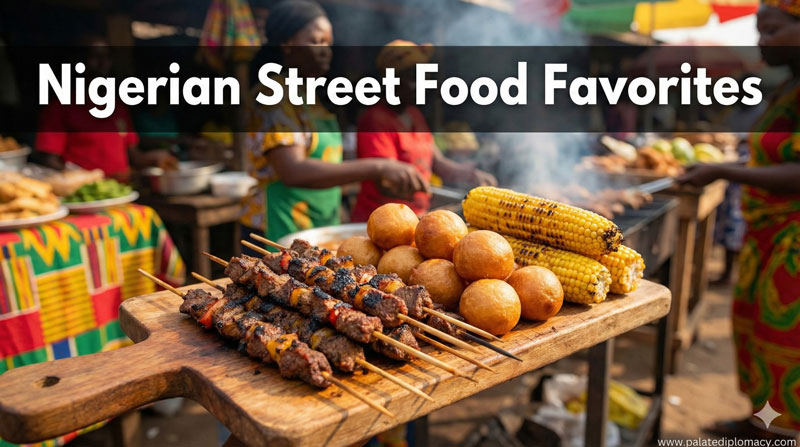
In everyday life, puff puff appears wherever people gather. Vendors set up bright stalls, frying puff puff to golden perfection. Families make puff puff for weekend mornings, celebrations, or a quick treat after school. Guests arrive with the scent of fried dough filling the air, and serving puff puff becomes a small act of courtesy. Sharing puff puff with neighbors or friends fosters a sense of community and care. It is a flexible food that fits many moments—from a quick snack to a celebratory bite at a festive table.
Serving Ideas and Flavor Pairings
Puff puff shines on its own, warm and lightly sweet. It pairs nicely with a cup of tea or coffee. Some prefer a dusting of sugar for extra sweetness, while others dip it in a thin cocoa sauce or a light fruit reduction. A pinch of cinnamon or nutmeg adds comforting spice. For a richer experience, serve puff puff with a mild peanut or cashew sauce on the side. Honey, caramel, or a drizzle of fruit jam can enhance the flavor without overpowering the dough’s gentle sweetness. The key is balance: let the puff puff’s tenderness lead, then offer a complementary dip or dusting.
Health Considerations and Enjoyment
Puff puff is a treat to enjoy with mindful portions. Because it is fried, the balance with other meals matters. If you’re seeking a lighter variation, air fryer methods or baked versions can reduce fat while preserving texture. Choosing higher-quality oil and maintaining steady frying temperatures helps the final product stay crisp and light. Pair puff puff with fresh fruit or a small, protein-rich side to create a balanced snack. Most importantly, savor the moment: the aroma, the warmth, and the shared smile that puff puff brings to a table.
Conclusion
Puff puff is a versatile, soulful snack that celebrates texture, flavor, and community. Its simple ingredients become something special through care and tradition. Whether enjoyed at a quiet morning table, a lively market stall, or a family gathering, puff puff embodies warmth and hospitality. By honoring its craft—careful mixing, patient frying, and thoughtful sharing—we keep the dish alive in Food Culture. Puff puff welcomes everyone to a small, delicious moment of connection.