
A Complete Guide to Enjoying Pulao Like a Local
Pulao is more than a dish; it is a quiet festival of aroma, texture, and shared moments. When you savor pulao, you taste how rice, spices, and patience come together in a single pot. This guide celebrates the cultural value and culinary significance of pulao, inviting you to explore how locals connect with this beloved staple.
What Pulao Celebrates
Pulao embodies hospitality. In households and markets, the dish signals welcome and generosity. The grains, gently separated and perfumed with spices, tell a story of technique passed down across generations. Each batch reflects care: rinsing the rice to reveal its true shine, tempering spices until they flutter in the oil, and letting steam finish the dish so every bite feels calm and complete. Pulao is a bridge between simple meals and memorable gatherings, a dish that turns everyday dining into a shared experience.
Regional Voices in Pulao
Across cuisines, pulao takes on distinct personalities. Awadhi pulao prefers delicate saffron threads and a slow, refined aroma, while Hyderabadi variants may layer rich spices with tender meat. Kashmiri pulao often glows with dried fruits and a gentle sweetness, and Punjabi or Sindhi versions lean toward heartier vegetables or legumes and a robust, comforting texture. In every corner, the same core idea remains: rice enriched by spices, stock, and careful cooking, served with care and shared with others. This diversity showcases regional pride, seasonal ingredients, and the artistry of home kitchens.
Core Ingredients and Techniques
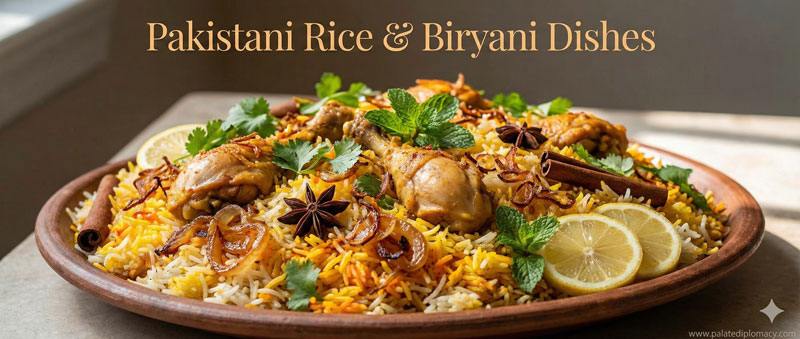
The foundation is short- or long-grain rice, usually basmati for its fragrance and length. Stock or well-seasoned water carries flavor. Whole spices—cinnamon, bay leaf, cloves, cardamom—invite aroma. Onions are often fried until golden, developing sweetness and depth. Ghee or oil provides the medium for toasting spices and enriching the grains. Salt balances sweetness and heat.
Techniques matter. Rinse the rice to reveal its clean starch, and soak briefly to shorten cooking time. Sauté aromatics, then add the rice to coat each grain. Pour hot stock, bring to a gentle simmer, cover tightly, and let the rice steam undisturbed. Fluff with care, then fold in additions like peas, carrots, fried onions, or nuts if desired. The goal is separate grains, evenly infused with flavor, not a mushy mass.
How to Taste Pulao Like a Local
To truly taste pulao, start with the aroma. Take a moment to inhale the spices wafting from the pot. Then take a small, measured bite to appreciate the balance of grain, spice, and savory stock. Notice how the texture catches light in the mouth: each grain should feel distinct, not sticky. If you’re pairing, choose a cooling yogurt-based accompaniment to contrast heat and richness, or a crisp salad that makes the dish feel lighter. In many homes, pulao arrives as the centerpiece of a table that also holds a vegetable curry or a tender meat dish; try a bite with both the rice and a side to experience balance in flavor and texture.
Plate Companions and Meals
Pulao sings with simple accompaniments. A tangy yogurt sauce or raita can refresh the palate. A crisp carrot or cucumber salad adds brightness. If meat is part of the meal, grilled or braised options harmonize well with the warm spices in the rice. Nuts and dried fruits—cashews, almonds, raisins—offer textural contrast and a note of sweetness. Pickles or a fresh coriander chutney can provide a sharp, sunny finish. The key is variety on the table, allowing each person to build a plate that suits their taste and mood.
Home Kitchen Guide to Cooking Pulao
- Rinse and soak: Rinse the rice until the water runs clear, then soak 20–30 minutes for extra fluff.
- Toast spices: In warm ghee or oil, toast whole spices briefly to open their oils.
- Sauté onions: Cook onions to a deep golden hue for sweetness and depth.
- Layer and simmer: Add rice to the pot, pour hot stock, cover tightly, and simmer gently until the grains stand separate.
- Rest and fluff: Let the dish rest for a few minutes off the heat, then fluff with a fork to finish.
- Add accents: Fold in optional peas, chopped vegetables, fried onions, or toasted nuts for texture and color.
Seasonal Variations: A Year of Pulao
Seasonal produce can shape pulao beautifully. Spring brings fresh peas and herbs that brighten the dish. Summer favors lighter stock and crisp vegetables. Autumn invites dried fruits and almonds for warmth. Winter invites heartier blends with root vegetables and richer spices. Each season offers a way to honor local ingredients while keeping the soul of pulao intact.
Etiquette and Experience
Pulao is best enjoyed with courtesy and presence. Share generously with family and friends, and listen to the clatter of dishes and chatter around the table. A calm pace allows the flavors to unfold, so take time between bites to savor the aroma and texture. Remember, the joy of pulao comes not only from taste but from the companionship and hospitality that surround it.
Final Thought: Embrace the Beauty of Pulao
To eat pulao “like a local” is to honor a tradition of care, balance, and community. It is a dish that welcomes guests, upholds seasonal ingredients, and rewards patience. By paying attention to texture, fragrance, and pairing, you can experience pulao as many locals do: as a comforting, beautiful expression of culture and kinship. Open your kitchen, invite friends to share, and let the pulse of pulao enrich your table.