
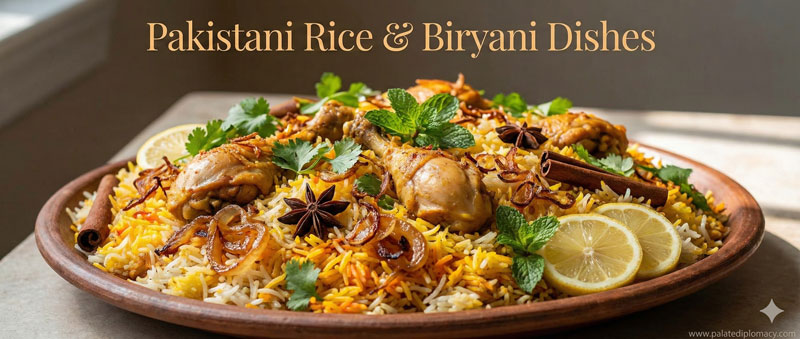
Discover the Rich Flavors of Pulao
Pulao is a dish that travels from kitchen to table with grace. It blends fluffy rice with warm spices and a gentle aroma. The grains stay separate and sing with color and scent. In homes and eateries, pulao marks daily meals and quiet celebrations. The dish welcomes many twists, yet its heart stays the same: balance, beauty, and care.
What Makes Pulao a Cultural Favorite
Pulao opens the door to hospitality. When a pot begins to simmer, it signals welcome. Families prepare it for guests, neighbors share bowls, and friends gather around the table. Cooking pulao is often a collaborative act—spices toasted, onions fried, rice rinsed—then shared aloud in laughter and conversation. The dish connects generations, carrying memories in its steam. Its appeal lies in adaptability and warmth, suitable for simple meals or festive feasts.
The Craft Behind the Rice
Start with long-grain basmati for light, separate grains. Sauté onions in ghee until they glow amber. Toast whole spices—cumin, cardamom, cloves, cinnamon, bay leaf—until their fragrance rises. Add Rice and stir so each grain feels coated. Then simmer with stock or water. Let the steam carry the aroma through the room. A touch of saffron or turmeric colors the grains. Nuts and raisins add texture and surprise. The aim is to let every grain stand distinct and flavorful.
Regional Faces of Pulao
Across regions, cooks add their own signature. In some places, saffron threads color the dish and a soft perfume of cardamom lingers. In others, onions soften with cumin and bay leaves. Uzbek plov features carrot and meat for a hearty finish. Indian pulao can be vegetarian or with chicken, finished with fresh herbs. In Iran, polow balances herbs, stock, and saffron with restraint. Yet the purpose remains the same: honor the rice and the careful hand that tends it.
Pulao at Gatherings and Festive Tables
On special days, pulao becomes a centerpiece. It moves from kitchen to table with a promise of abundance. Hosts present a steaming pot and bright garnishes of herbs or citrus. Guests share from the same platter, a quiet sign of welcome. The dish pairs well with cooling yogurt, crisp salads, and tangy pickles. Its presence signals hospitality and joy at the table.
Savor and Serve: Pairings and Rituals
Serve pulao hot, letting the steam carry spice and scent. Garnish with fried onions, fresh herbs, and a squeeze of lemon for brightness. Pair it with yogurt-based sides or a simple cucumber salad to balance richness. Each bite tells a story of careful hands and chosen spices. The act of sharing honors cooks and guests alike.
Caring for the Heritage in Your Kitchen
Choose aged basmati for its fragrance and fluffy texture. Rinse the grains until the water runs clear, then soak for 15 to 30 minutes. Toast whole spices to unlock their perfume. Simmer gently with steady heat. Avoid lifting the lid too often; let the dish finish with steam. Rest the pot for a few minutes after cooking to let flavors settle. With these simple steps, pulao stays true to its character and shines at every table.