
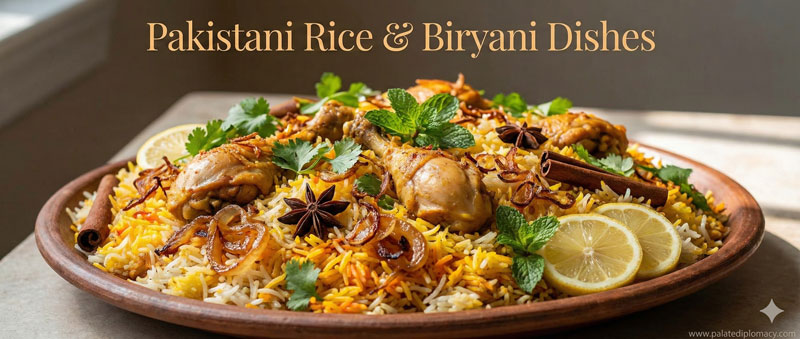
Why Pulao Is One of Pakistan’s Most Loved Dishes
Pulao, or pilaf, holds a cherished place in Pakistani kitchens. It arrives at the table with steam, fragrance, and a sense of welcome. This dish is a warm handshake between grains, spices, and family memories. It expresses care, skill, and a deep respect for simple, honest ingredients. In every kitchen, pulao becomes a quiet celebration of everyday life.
The Flavor and Texture That Define Pulao
Pulao shines through balance. Long-grain rice, gently plumped, forms a snowy, separate texture. Aromatic spices—cardamom, cloves, cinnamon, bay leaves—blur into a perfume that lingers Like a friendly memory. Onions caramelize to a soft sweetness, and a hint of saffron or turmeric adds color and depth. Faces light up when the first bite lands, because the flavors are clear, clean, and inviting. The dish often includes vegetables or meat, yet the soul remains the same: a harmony of savor and fragrance that makes the dining moment feel special, even in everyday meals. This culinary logic travels well from home to grand gatherings, carrying with it a sense of shared practice and care.
Cultural Moments and Shared Meals
Pulao often signals togetherness. It is a dish families prepare for a bustling day or a warm evening. A pot of pulao can welcome guests with generous portions and a respectful pause before eating. In many homes, elders guide younger cooks through the steps, passing along tips about timing and aroma. This passing of knowledge strengthens family bonds and keeps a culinary language alive. Pulao also marks occasions: a birthday feast, a festive lunch, or a quiet Sunday meal that gathers relatives around a single steaming dish. The act of serving pulao becomes a small ceremony—grains scooped to plates, accompanied by chutneys, salads, and a shared sense of gratitude for the meal.
Regional Variations and Shared Techniques
Across Pakistan, pulao brightens table after table with distinctive touches. Some regions favor meat, others lean toward vegetables, and many blends feature dried fruits or nuts for a touch of sweetness. The core technique remains steady: aromatics are heated first, then rice is layered and gently steamed with broth or seasoned water. This method yields grains that are tender yet separate, each kernel carrying aroma from the spice mix. Whether the cook uses ghee, clarified butter, or a light oil, the result highlights restraint and precision. The contrast between spiced steam and the rice’s quiet grain structure is a motif you often notice in homes, kitchens, and cooking shows alike.
The Everyday and Festive Roles of Pulao
Pulao sits comfortably in both daily meals and celebratory menus. On a weekday, it can pair with lentil dishes, yogurt, and a fresh salad for a balanced, nourishing plate. For special occasions, cooks may elevate pulao with saffron, fried onions, or a handful of nuts to add texture and festive color. The dish adapts to family preferences and seasonal produce, making it a reliable, comforting staple. This adaptability is part of pulao’s beauty: it honors tradition while inviting personal touches, so the dish grows with the home and the cook.
A Simple Guide to a Classic Pulao
A clear, respectful approach helps pulao shine. Start with rinsed rice to remove excess starch, then soak for a short time to encourage fluffiness. In a pot, heat ghee or oil, season with whole spices, and add sliced onions until they turn golden. Add the rice, then pour in just enough stock or water for gentle steaming. Layer in vegetables or meat if you like, and season lightly. Cover and simmer until the grains are tender and separate. Finish with a final aromatic lift—fresh herbs, a squeeze of lemon, or a saffron thread dissolved in a little hot water. Serve warm, with yogurt or chutney on the side. The method rewards patient timing and a confident hand with heat.
The Language of Pulao: Aroma, Color, and Feeling
Pulao speaks in senses. The color hints at warmth and care, while the aroma invites conversation and appetite. People describe the dish with words that celebrate balance: gentle spice, bright grain, and a soft, lingering fragrance. This language of texture and scent helps pulao cross kitchens and generations, preserving the link between cook and guest. In this way, pulao becomes more than food; it becomes a thread that ties meals to memory, hospitality to practice, and taste to tradition.
Conclusion: The Beauty of Pulao in Pakistani Food Culture
Pulao embodies a respectful approach to cooking. It honors ingredients, technique, and shared meals. It is versatile, comforting, and endlessly adaptable, making it One of Pakistan’s most loved dishes. Through pulao, families celebrate daily life, welcome guests, and pass down culinary knowledge with warmth and clarity. In every pot, pulao tells a story of care, culture, and the joy of eating together.