
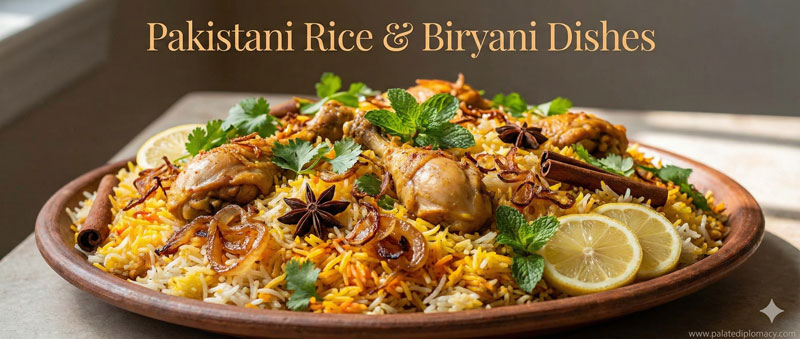
The Humble Beginning of Pulao in Pakistani Kitchens
Pulao in Pakistani cuisine shines as a dish built from simple ingredients that come together with grace. Long-grain rice, clear stock, aromatic spices, and a touch of fat create a canvas where flavor unfolds with every bite. The dish grew in homes across communities, where rice was a dependable staple and spices offered color, warmth, and scent. Over time, families learned to layer texture—soft fluffy grains with tender pieces of meat or vegetables—and to balance sweetness, savory depth, and herbal brightness. This balance became a hallmark of pulao, inviting cooks to adjust it for the day, the season, or the guests at hand. In many kitchens, the scent of toasted spices signals hospitality and a warm welcome. That inviting aroma is the essence of pulao’s place in Pakistani eating culture.
A Dish of Hospitality and Connection
Hospitality sits at the heart of Pakistani Food Culture, and pulao embodies that spirit. When a pot of pulao is brought to the table, it marks a moment of sharing. Families gather around, friends arrive with smiles, and the dish becomes a bridge between everyday life and celebration. Pulao is versatile enough to serve as a comforting weekday meal or an impressive centerpiece for a festive gathering. Its presence encourages conversation as steam rises, while the dish’s generosity—one pot feeding many—reflects a communal approach to food. In this way, pulao is more than a recipe; it is a ritual of welcome, kinship, and shared nourishment.
The Core Techniques That Give Pulao Its Soul
The culinary magic of pulao rests on a few trusted techniques. First, tempering whole spices in ghee or oil releases their essential oils and fragrance. This step lays the aroma foundation for the entire dish. Next, adding onions so they turn a light, sweet brown adds depth and color. The rice is often washed and soaked briefly, then briefly parboiled or steamed, so the grains stay separate and delicate. Layering matters: the meat, vegetables, or legumes are cooked with a flavorful stock or water, then the parboiled rice is added and the pot is sealed—often in a method known as dum cooking. This trap of steam allows the flavors to mingle gently, producing a cohesive, fragrant dish. Saffron, cardamom, cinnamon, cloves, and bay leaves emerge as fragrant accents, while mint or coriander leaves offer fresh brightness. A final drizzle of fried onions, also known as birista, adds a crispy, caramelized note. The result is a dish whose aroma invites you to slow down and savor.
Regional Voices: How Local Traditions Shape Pulao
Across Pakistan, regional traditions color pulao in distinct ways. In Punjabi homes, a classic chicken or mutton pulao often features peas, carrots, and a straightforward spice mix that emphasizes the rice’s perfume and the meat’s tenderness. Sindhi pulao tends to embrace a heartier profile, sometimes introducing potatoes or tangy notes from tomatoes and a bolder spice blend. In the north, Kashmiri-inspired pulao may incorporate saffron, dried fruits, and a touch of sweetness to balance the savory base. Each region adds its own touch while staying true to the core idea: rice cooked with aromatic spices and a carefully chosen protein or vegetables. This regional variety deepens pulao’s presence in everyday meals and special menus alike, making it a shared yet local experience.
A Palette of Variations: Meat, Fish, and Veggie Gifts
Pulao offers many expressive possibilities. A meat version with chicken or lamb is common and comforting, especially when the meat is tender and the rice absorbs its juices. A vegetarian pulao, often called teheri or tehari in some places, showcases seasonal vegetables and beans, proving that the dish can be vibrant without animal protein. Fish pulao, popular in coastal regions, highlights lighter, briny flavors and quicker cooking times. Each variation keeps the same generous spirit: the rice serves as a carrier for a spectrum of textures and flavors, and the spices act as a unifying chorus. The flexibility of pulao’s form—adaptable to what is available and to personal preference—helps it stay relevant through seasons and tastes.
Pulao at the Table: Everyday Meals and Special Occasions
In daily life, pulao appears as a complete, satisfying main dish. It pairs gracefully with cool raita, crisp salads, and a bold curry or lentil dish, creating a balanced plate that pleases the eye and the palate. For celebrations and gatherings, pulao often takes center stage, dressed in richer ingredients or layered with premium meats. The dish’s unfussy elegance makes it suitable for a wide range of menus, from home dining to festive feasts. Its versatility also means it travels well from kitchen to table, carrying the same comforting aroma and satisfying texture no matter the setting.
The Art of Layering Flavor: From Pot to Plate
What Makes a pulao memorable is the careful layering of flavors and textures. The technique of cooking rice to a just-right tenderness, while the meat or vegetables finish in a flavorful, concentrated stock, creates a cohesive dish where every bite reveals a balance of aroma and savor. The addition of saffron or kewra water can lift the fragrance, while herbs like mint or cilantro inject brightness. The final touch of fried onions adds a sweet-savory crunch. This artistry—careful timing, restrained spice, thoughtful additions—transforms simple rice into a dignified dish that invites slow eating and conversation. The result is a pulao that feels both grounded in tradition and alive with personal touch.
Preserving Tradition While Embracing Change
Today, pulao sits comfortably in homes and eateries that honor tradition while welcoming new ideas. Cooks experiment with ingredients, adjust spice levels, and adapt portions to family needs, all without losing the dish’s core character. Fresh herbs, seasonal produce, and locally sourced proteins keep pulao vibrant and accessible for modern kitchens. At the same time, the dish remains a symbol of warmth and hospitality, a reminder that sharing a well-made pot of rice can bring people together. This balance—respect for technique and openness to change—ensures pulao will continue to be a beloved part of Pakistani cuisine for years to come.
If you walk into a kitchen or a dining room where pulao is celebrated, you will taste a story of care: the careful charring of onions, the perfume of spices blooming in oil, the soft rise of fluffy rice, and the happiness of people gathered around a shared plate. This is the beauty and significance of pulao in Pakistani food culture—an enduring testament to flavor, family, and the quiet art of cooking with heart.