
Introduction
How Pulao Became Popular in Pakistani Cuisine is a celebration of aroma, texture, and shared meals. In homes and eateries across Pakistan, pulao stands as a welcome plate that invites conversation and warmth. It is a dish gifted with color, depth, and care. The Story is told through simmering pots, fragrant spices, and the joy of gathering around a single, steaming bowl.
The Foundation: Core Techniques
Pulao thrives on precise technique. Start with long-grain basmati rice, rinsed and soaked briefly. This helps the grains stay separate and light. Heat ghee or oil until it shines, then fry whole spices—cinnamon, cloves, bay leaves—until they release their fragrance. Add chopped onions and let them turn a gentle golden, a step that builds the base sweetness and depth. Layer the rice over a fragrant stock, then simmer with care. The steam becomes a soft blanket that finishes the rice with delicate aroma. The result is a dish where every grain carries flavor, not a single note overpowering another.
Core Ingredients and Their Roles
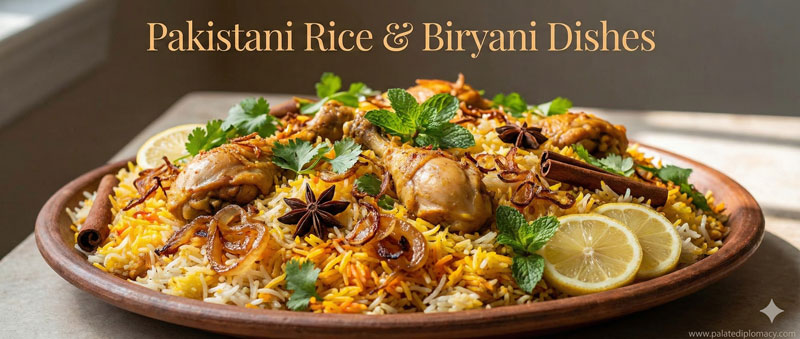
The heart of pulao lies in balance. Basmati rice provides a fluffy, elongated grain that absorbs flavors without sullying texture. Meat, chicken, or vegetables can be the main feature, each bringing its own character. Aromatics like green chilies, garlic, and ginger add spark, while herbs such as fresh cilantro or mint brighten the finish. Saffron or a pinch of turmeric adds color and a warm hue. Fried onions, or birista, offer a sweet crunch and a rich aroma. Nuts and dried fruits, when used, introduce a subtle contrast of textures. The spice mix is gentle enough to perfume the dish, yet confident enough to stand up on its own.
Regional Voices
Across Pakistan, pulao adapts to local tastes. In Punjab, the dish often leans toward a robust, comforting flavor with a touch of garam masala. Sindhi preparations may incorporate tangy notes from tomatoes and a tad more chill, creating a lively finish. In the north, lighter, aromatic touches of herbs blend with the rice to create a delicate, hearth-fed meal. Each region adds its own pride to the method, while keeping the core instinct of harmony among rice, spice, and steam.
Cultural Significance
Pulao is more than a meal; it is an embodiment of hospitality. Serving pulao signals welcome and generosity. The pot becomes a centerpiece for conversations, laughter, and shared bites. Families often prepare it for special days, gatherings, and celebratory moments because it feels Like a warm, familiar hug in food form. Its presence at the table elevates everyday meals into occasions of care and togetherness.
Modern Expressions and Popularity
Today, pulao appears in both homes and modern eateries. Chefs experiment with layers of flavor, balancing tradition with fresh ideas like herb gardens or lighter stocks. You will find pulao on street stalls and in refined restaurants, standing as a bridge between everyday cooking and culinary artistry. Its popularity rests on simplicity, reliability, and the promise of a satisfying meal that welcomes guests with ease.
Practical Tips to Elevate Your Pulao
- Rinse and soak rice to keep grains separate.
- Toast spices briefly to unlock their aroma.
- Use a gentle simmer and rest the pot after cooking for even texture.
- Finish with fresh herbs and a light squeeze of lemon to brighten flavors.
- Choose good stock or broth for depth, and balance saffron or turmeric for color and warmth.
Conclusion
How Pulao Became Popular in Pakistani Cuisine highlights a dish that blends technique, shared joy, and regional character. It remains a beloved centerpiece that invites family, friends, and guests to gather, savor, and celebrate. The beauty of pulao lies in its quiet generosity—the way each grain carries aroma, memory, and care, inviting everyone to share in the moment.